
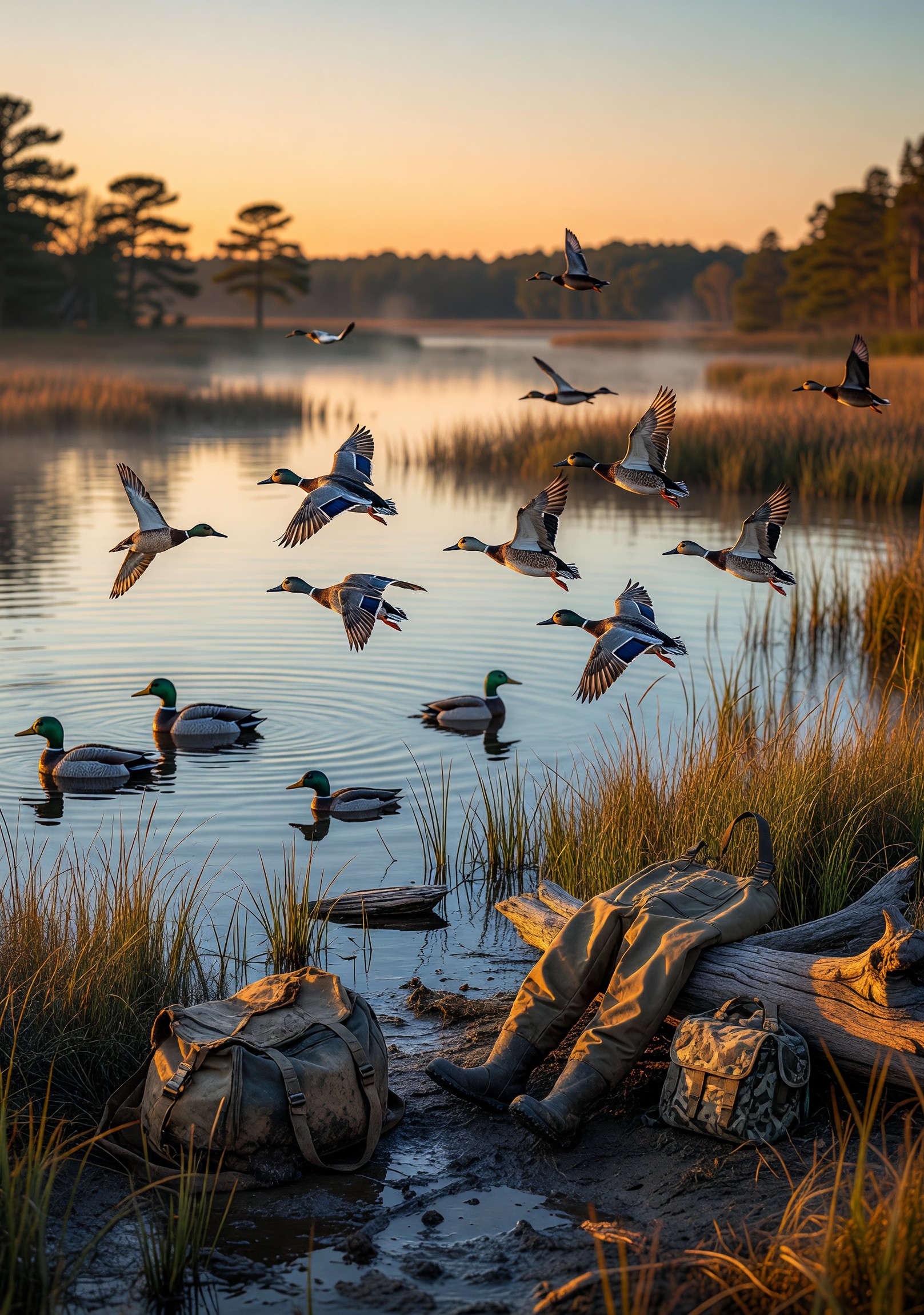
Mist clings to the reedy edges of the marsh as the first pink light filters through the cattails, and a sudden flurry of wings breaks the silence—ducks cupping in for a landing on your decoy spread. The air hums with anticipation, your breath steady against the chill, shotgun at the ready. This is waterfowl hunting: a raw dance with nature where split-second decisions meet the rhythm of migrating flocks. For outdoor enthusiasts, few pursuits capture the essence of wild places like rising before dawn to stake out a hidden blind, watching as pintails and mallards etch patterns against the sky.
What draws hunters back season after season isn’t just the harvest, but the deeper connection to ecosystems teeming with life. Waterfowl populations remain resilient, with species like gadwalls and shovelers showing steady numbers, thanks to dedicated conservation efforts. Yet, challenges like shifting weather patterns demand adaptability—hunters are evolving tactics to match delayed migrations and variable habitats. This isn’t about chasing trophies; it’s a commitment to stewardship, ensuring these feathered travelers thrive for generations. Safety anchors every outing, from navigating foggy waters to handling firearms with precision, while sustainable practices underscore the hunter’s role as guardian.
Imagine the camaraderie around a crackling fire post-hunt, sharing stories of decoy spreads that fooled the wariest drake. Waterfowl hunting builds community, fostering bonds among those who respect the wild. Whether you’re a seasoned guide or a newcomer eyeing your first spread, the thrill lies in preparation and presence. Trends lean toward tech-savvy tools like advanced calls and breathable waders, blending tradition with innovation. As wetlands face pressures, your participation in habitat protection amplifies impact. Get ready to immerse in this timeless pursuit—it’s calling.
Mastering the Hunt: Techniques and Trends
Waterfowl hunting rewards those who blend old-school savvy with emerging strategies. Start with scouting: Use apps and binoculars to track flyways, noting roosts and feeding areas. Trends show hunters adapting to warmer conditions by focusing on late-season pushes, where birds linger in southern refuges.
Decoy and Calling Essentials
Craft realistic spreads—mix motion decoys with jerk rigs to mimic natural water movement. For calling, soft quacks draw mallards close, while aggressive clucks work on geese. Practice varies by species; pintails respond to high-pitched whistles. Sustainability tip: Limit spreads to avoid over-pressuring flocks.
Blind Setup and Camouflage
Layout blinds in flooded timber or open marshes blend seamlessly with surroundings. Use natural cover like willow branches for added concealment. Mobile hunters favor lightweight pop-up options for quick setups in dynamic environments.
Gear Up for Success: Must-Have Equipment
Quality gear turns grueling mornings into rewarding ones. Prioritize breathable, insulated waders that withstand icy plunges without restricting movement. Layered systems—base moisture-wicking, mid fleece for warmth, outer waterproof shells—keep you dry and agile.
Firearms and Ammo Choices
Versatile 12-gauge semi-autos handle diverse loads, from steel to non-toxic bismuth for denser patterns. Opt for chokes that tighten shots at 30-40 yards. Always clean after salty exposures to prevent rust.
Accessories That Make a Difference
Custom calls from trusted makers produce authentic sounds, while float tubes aid silent approaches in shallow waters. Don’t overlook headlamps with red filters to preserve night vision during setups.
Chasing Flocks: Top Destinations and Tips
America’s flyways offer world-class opportunities, from timbered bottoms to coastal bays. Seek out Arkansas’s green-timber hunts, where mallards spiral into oak-lined holes, or Louisiana’s marshes teeming with teal and sea ducks.
Navigating Public and Private Lands
Public areas like wildlife management zones provide accessible entry points—arrive early for prime spots. Guided private leases ensure ethical access, supporting local economies. Respect boundaries to preserve these gems.
Weather and Timing Insights
Fronts trigger movements; hunt edges of storms for active birds. Community forums share real-time intel, enhancing your odds while promoting shared resources.
Key Takeaways
- Scout habitats thoroughly to align with bird patterns and minimize disturbance.
- Invest in durable, weather-resistant waders and layered clothing for all-day comfort.
- Practice safe firearm handling: Unload when not in use and maintain clear shooting lanes.
- Use non-toxic ammo and adhere to bag limits to support population health.
- Wear life jackets on water; know your boat’s limits to avoid accidents.
- Contribute to conservation by joining wetland protection groups.
- Build hunts around community—share knowledge to grow the tradition sustainably.
Waterfowl hunting isn’t just a sport; it’s a call to action. Gear up, prioritize safety, and step into the blind with respect for the wild. Your next dawn could bring wings and memories that last a lifetime—don’t wait, make it happen.