
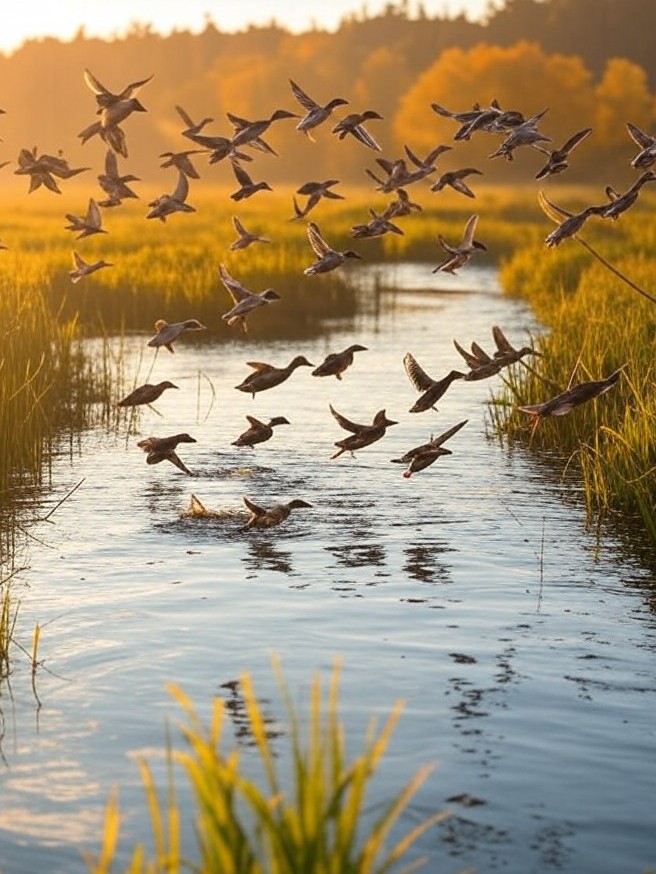
Mist clings to the reedy edges of the blind as the first shotgun blast echoes across the water, sending ripples through a flock of teal that wheel skyward in a frenzy of wings and urgent calls. This is waterfowl hunting at its rawest—a pulse-pounding dance between hunter and bird, where every decoy placement and wind shift can tip the scales. For outdoor enthusiasts craving a deeper connection to the wild, waterfowl hunting stands out as one of the most immersive pursuits, blending strategy, patience, and a profound respect for nature’s rhythms. It’s not just about the harvest; it’s about immersing yourself in ecosystems that teem with life, from the croak of bullfrogs at dawn to the symphony of migrating flocks overhead.
What draws so many to this tradition today? In an era where urban sprawl encroaches on wild spaces, waterfowl hunting offers a vital link to conservation efforts that protect wetlands and migratory paths. Organizations and hunters alike pour resources into habitat restoration, ensuring these birds thrive for generations. The thrill builds as you gear up, scout prime spots, and fine-tune your calls to mimic the real thing. Whether you’re a seasoned pro chasing pintails in open marshes or a newcomer drawn by the allure of camaraderie around a campfire, the sport promises adrenaline-fueled mornings and stories that linger. Safety comes first—always check regulations and hunt with a buddy—but the rewards? Unmatched solitude on the water, the satisfaction of ethical shots, and meals from the land that taste of pure adventure. As populations rebound through smart stewardship, now’s the perfect time to join the ranks of those who rise before light to greet the dawn chorus.
Mastering the Hunt: Techniques That Deliver Results
Success in waterfowl hunting hinges on more than luck; it’s about reading the land and the birds like a well-worn map. Start with scouting—spend time observing flight patterns from high ground or a boat, noting where ducks feed or rest. Patience is your ally; set up early, blend into the terrain with natural cover, and let the birds come to you.
Decoy Strategies for Maximum Pull
Decoys are the unsung heroes of the spread. Mix motion decoys that jerk and spin with the current alongside static ones for realism. In windy conditions, a few jerk rigs can simulate feeding frenzy, drawing wary mallards closer. Keep spreads tight for small groups or spread out for big flocks, always facing into the wind to mimic natural landing approaches.
Calling with Confidence
A clean, rhythmic call can turn heads from afar. Practice soft quacks for close-in birds and aggressive feeding chuckles to build excitement. Listen to the birds first—overcalling spooks them, so let the decoys and surroundings do the heavy lifting. For beginners, soft reed calls offer forgiveness and authentic tone.
Gear Essentials for the Modern Waterfowler
Today’s gear evolves with tech and comfort, making long sits in damp chills more bearable without sacrificing stealth. Invest in breathable, insulated waders that wick moisture and provide traction on slick bottoms—key for walk-in hunts where mobility reigns. Layer with lightweight camo that breaks up your outline in marsh grass or timber.
Shotguns and Ammo Choices
A reliable 12-gauge semi-auto shines for versatility, handling everything from fast-flushing teal to lumbering geese. Non-toxic steel or bismuth loads comply with wetland regs while packing punch. Pattern your gun at clay targets to ensure even spreads at 30-40 yards.
Accessories That Make a Difference
Don’t overlook blinds that collapse for easy transport or packs with mesh for wet gear. Motion decoys and electronic callers add edge, but classics like jerk strings keep it simple and effective. Face masks and gloves in full camo complete the invisibility cloak.
Embracing Sustainability in Every Outing
Waterfowl hunting thrives on balance—harvesting ethically while giving back to the habitats that sustain flocks. Follow bag limits strictly and report harvests to aid population monitoring. Join conservation groups to plant native grasses or restore wetlands; these efforts boost breeding grounds and filter water for communities downstream.
Ethical Harvesting Habits
Quick, humane shots minimize suffering—practice to make clean kills. Retrieve downed birds promptly to avoid waste, and process meat properly for table fare. Sustainable clubs lead by example, blending hunts with stewardship projects that protect rivers and marshes for all.
Prime Destinations to Chase the Flight
From flooded timber in the South to prairie potholes up North, the U.S. brims with spots where birds concentrate. Arkansas’s green timber draws massive mallard pushes, while Louisiana’s coastal marshes host divers and puddlers alike. Venture to North Dakota for open-water hunts amid golden fields, or Texas bays for specklebelly geese. Public lands offer accessible entry; scout refuges for less pressure and abundant action.
Key Takeaways
- Scout thoroughly to pinpoint bird movements and set up in advance for the best opportunities.
- Use a mix of motion and static decoys to create realistic spreads that pull birds in.
- Practice calling sparingly—let the environment and decoys enhance your setup.
- Prioritize non-toxic ammo and ethical shots to support conservation goals.
- Layer gear for variable weather, focusing on breathable waders and camo concealment.
- Join local groups for habitat work; it’s a win for birds and your hunting future.
- Always hunt with safety in mind—know regs, use partners, and respect the wild.
Ready to answer the wild’s call? Dust off your shotgun, rally a crew, and step into the blind for your next waterfowl adventure. The flocks are waiting.