
Deer tracks weave through the frost-kissed underbrush, a silent testament to the delicate balance of predator and prey in the wild. As an outdoor enthusiast, you’ve likely paused mid-hike to watch a family of elk graze at dawn or scanned the treetops for the flash of a rare bird’s wing. These moments remind us that wildlife isn’t just scenery—it’s the heartbeat of our adventures. Yet, behind every thriving herd or vibrant ecosystem lies careful management, a blend of science, ethics, and hands-on effort that keeps nature resilient against pressures like habitat loss and human expansion.
Why does wildlife management matter right now? Our trails, rivers, and peaks are busier than ever, drawing crowds eager for authentic connections with the outdoors. But unchecked growth in animal populations can strain resources, leading to conflicts that disrupt both wildlife and our experiences—think overbrowsed forests or urban coyote encounters. Effective management ensures sustainable populations, preserves biodiversity, and safeguards the spots we love for future generations. It’s not about control; it’s about harmony, empowering you to contribute as a steward rather than just a visitor.
Imagine stepping deeper into this role: learning to read animal signs, using modern tools to support conservation, or joining community efforts that make a real difference. From ethical hunting that funds habitat restoration to non-lethal strategies like corridor creation, wildlife management opens doors to more meaningful outings. It builds skills that sharpen your senses and fosters a profound respect for the wild. Whether you’re a seasoned tracker or a weekend warrior, embracing these practices transforms passive observation into active participation, enriching every expedition with purpose and excitement. Get ready to elevate your outdoor game—wildlife management isn’t just for experts; it’s the key to unlocking the full potential of your adventures.
The Foundations of Effective Wildlife Management
At its core, wildlife management starts with understanding the rhythms of nature. Professionals and enthusiasts alike monitor populations to gauge health and needs, using everything from boot prints in the mud to advanced tech. This groundwork prevents overpopulation issues and promotes balanced ecosystems where every species thrives.
Population Monitoring Techniques
Spotting trends early can save habitats. Trail cameras capture nocturnal movements, while apps let you log sightings on the go, contributing to broader data pools. Focus on ethical observation: approach quietly, respect boundaries, and report unusual behaviors to local authorities. These habits turn your outings into valuable conservation intel.
Habitat Stewardship Essentials
Healthy land supports healthy wildlife. Simple actions like removing invasives or planting native species create refuges amid development. Join volunteer crews for stream cleanups or trail maintenance—these efforts directly boost food sources and shelter, making your favorite spots more resilient and wildlife-friendly.
Hunting’s Vital Role in Conservation
Far from a relic, hunting stands as a cornerstone of modern wildlife management, funding programs through licenses and tags that restore millions of acres. Ethical hunters act as natural regulators, harvesting surplus to mimic predators and prevent starvation cycles in herds. It’s a practice rooted in respect, demanding knowledge of seasons, limits, and quick, humane methods.
Trends lean toward precision: low-impact bows and rifles minimize disturbance, while guided hunts emphasize learning over trophies. Non-hunters benefit too—revenues support bird sanctuaries and fish stocking, enhancing angling and viewing opportunities. Approach hunting with training; certification courses teach shot placement and field dressing, ensuring your involvement sustains rather than depletes.
Gear Essentials for Wildlife Stewards
The right tools amplify your impact without overwhelming the wild. Opt for durable, eco-conscious items that blend function with minimal footprint.
Observation and Tracking Kit
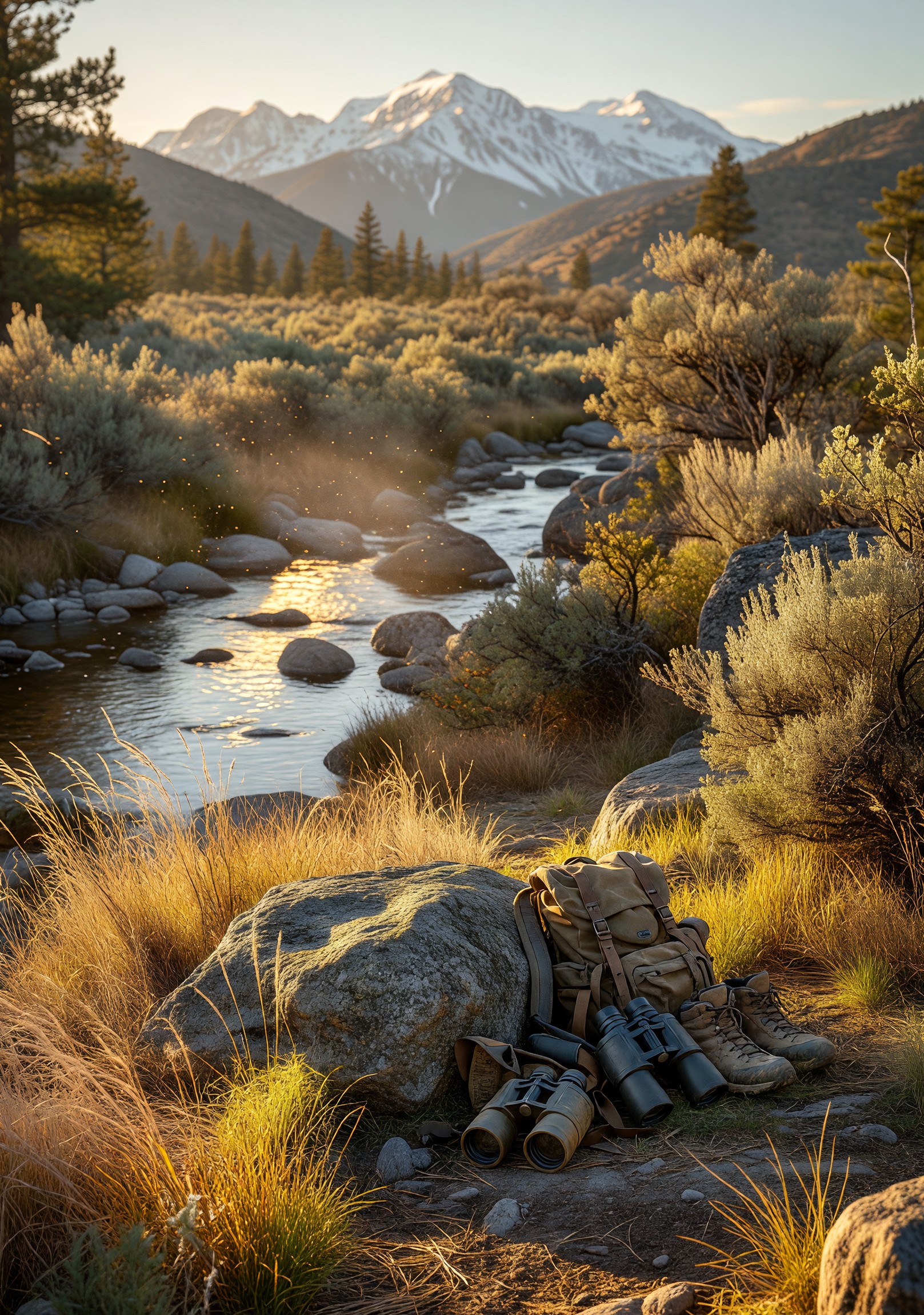
Compact binoculars with image stabilization reveal details from afar, while GPS-enabled rangefinders map territories accurately. Solar-powered trail cams, now slimmer and weatherproof, run silently for months, providing insights without constant checks.
Sustainable Hunting and Field Gear
Choose suppressors to reduce noise pollution and biodegradable scents for ethical lures. Packs with modular compartments keep essentials organized, from first-aid kits to game calls crafted from recycled materials. Prioritize brands committed to conservation, supporting the cycle of give-back.
Destinations Spotlighting Wildlife Success
Seek out areas where management shines, offering immersive ways to engage. Vast public lands in the Rockies host guided wildlife tours, blending education with observation. Coastal wetlands along the Gulf provide birding hotspots managed for migratory flows, complete with boardwalks that protect sensitive soils.
In the Midwest prairies, restored grasslands invite ethical hunts and photography safaris, showcasing rebounding bison and pheasant populations. These spots emphasize community involvement—volunteer for tagging drives or habitat days to see management in action. Each visit reinforces how collective efforts preserve the wild’s wonder.
Ready to make your mark? Lace up your boots, grab your gear, and connect with local wildlife groups. Your next adventure could tip the scales toward a healthier, more vibrant outdoors—start managing today.
Key Takeaways
- Monitor populations through apps and cameras to contribute real-time data for conservation.
- Practice habitat stewardship by planting natives and removing invasives on your outings.
- Embrace ethical hunting as a tool for balance, always prioritizing humane methods.
- Invest in eco-friendly gear like solar cams and suppressors to minimize impact.
- Join community programs for hands-on involvement in restoration projects.
- Visit managed destinations to witness successful strategies and learn from experts.
- Prioritize safety and sustainability in every decision to protect wildlife and yourself.