

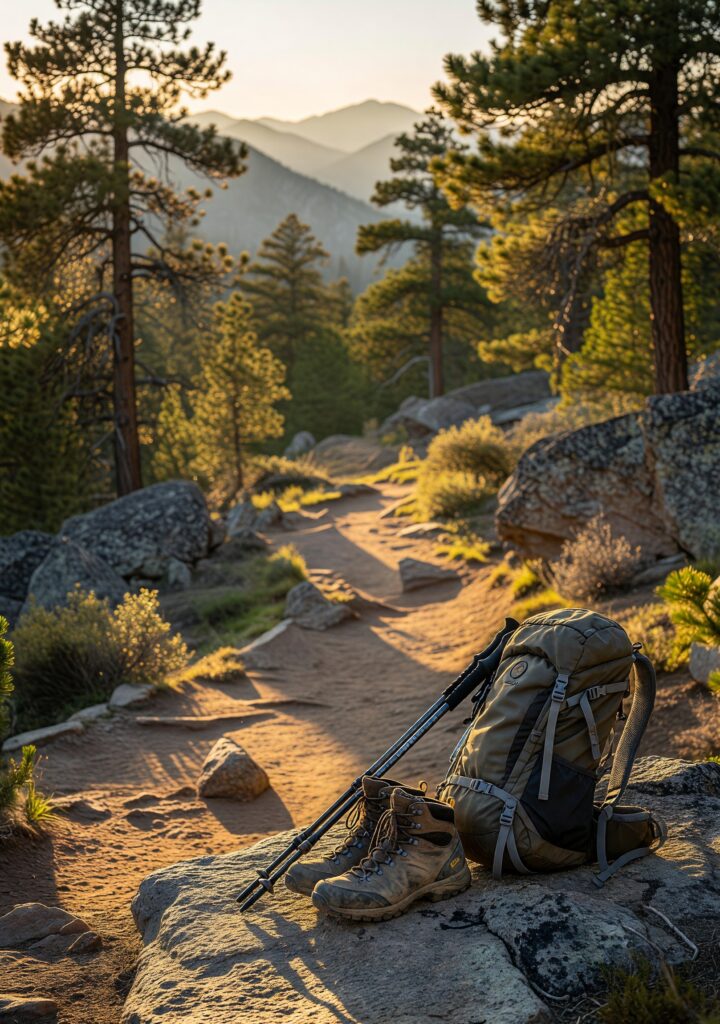
A single day hike can transport you farther from daily stress than any vacation, blending physical challenge with serene landscapes in just a few hours. For busy adventurers, these outings offer the perfect escape—rejuvenating the body and mind without demanding multi-day commitments. In an era where work-life balance feels increasingly elusive, day hikes emerge as a vital antidote, allowing you to unplug, recharge, and reconnect with the natural world that surrounds us. They’re not just walks in the woods; they’re intentional journeys that foster mindfulness and build resilience against urban fatigue.
What makes day hikes matter right now? With growing awareness of mental health benefits from time outdoors, more people are turning to these accessible adventures to combat screen-induced burnout. Trails teeming with wildflowers, rustling leaves underfoot, and distant bird calls create moments of pure presence that linger long after you’ve returned home. Whether you’re a novice stepping onto your first path or a seasoned trekker seeking fresh routes, day hikes adapt to your pace, revealing hidden gems in local parks, rolling hills, or coastal cliffs. The excitement builds as you plan: selecting a trail that matches your fitness level, packing light yet smart, and anticipating that rush of endorphins upon summiting a viewpoint. Sustainability plays a key role too, ensuring these cherished spots remain pristine for future explorers. Safety considerations, like weather checks and buddy systems, keep the focus on joy rather than risk. As communities rally around shared trails, day hikes also strengthen bonds—whether solo for reflection or with friends for laughter echoing through the trees. Dive into this guide to unlock the full potential of your next outing, turning ordinary afternoons into extraordinary memories.
Essential Gear for Effortless Day Hikes
Outfitting yourself properly transforms a simple stroll into a confident adventure. Start with a lightweight daypack, around 20-30 liters, that distributes weight evenly across your shoulders and hips. Models with breathable mesh backs prevent sweat buildup on warmer days.
Footwear and Support
Invest in sturdy hiking shoes with good traction and ankle support to handle varied terrain, from muddy slopes to rocky outcrops. Pair them with moisture-wicking socks to keep feet dry and blister-free. For stability on uneven paths, collapsible trekking poles reduce joint strain and help with stream crossings.
Layering and Hydration Essentials
Dress in layers: a base of quick-dry synthetics, an insulating mid-layer for cooler mornings, and a waterproof shell for sudden showers. Hydration is non-negotiable—carry at least two liters of water in a bladder or bottles, plus a portable filter for refilling from streams. Don’t forget high-energy snacks like nuts and energy bars to maintain fuel.
The 10 Must-Haves
Round out your kit with the classics: a map or GPS device, first-aid supplies, a multi-tool, headlamp for extended light, sun protection, emergency blanket, and whistle. These items ensure you’re prepared for minor mishaps without overloading your pack.
Selecting Trails: From Local Loops to Scenic Escapes
Choosing the right trail sets the tone for success. Begin with apps or local guides to find routes rated for your skill level—easy loops under five miles for beginners, moderate inclines for a workout. Popular spots include forested national park paths, urban greenways, and coastal bluffs, each offering unique vistas like cascading waterfalls or panoramic overlooks.
Planning for Variety
Mix it up with seasonal flavors: wildflower meadows in bloom, autumn foliage for color pops, or winter snowshoe variants on gentler trails. Factor in distance, elevation gain, and crowd levels—opt for early starts to beat the rush and enjoy quieter moments. Always check trail conditions via ranger stations or online forums to avoid surprises like closures.
Community and Accessibility
Seek inclusive trails with features like boardwalks for easier navigation. Joining hiking groups introduces you to vetted destinations and shared stories, enhancing the social side of exploration.
Sustainable Practices: Treading Lightly on the Trail
Preserving the beauty we love demands mindful habits. Follow Leave No Trace principles: pack out all trash, including micro-pieces like wrappers, and stick to designated paths to prevent erosion and protect fragile ecosystems.
Wildlife and Flora Respect
Observe animals from afar—binoculars enhance views without disturbance. Avoid picking plants or flowers; let them thrive for others. Use eco-friendly soaps if washing up, and opt for natural sunscreens to minimize runoff into waterways.
Broader Impacts
Choose low-impact transport like carpooling or public transit to trails. Support conservation by volunteering for trail maintenance or donating to land trusts. These actions ensure day hikes remain viable for generations, balancing adventure with stewardship.
Safety Strategies for Confident Trekking
Preparation trumps pitfalls every time. Share your itinerary with a trusted contact, including expected return time, and carry a personal locator beacon for remote areas.
Weather and Health Awareness
Monitor forecasts and pack accordingly—hypothermia sneaks up fast in wet conditions. Stay hydrated to ward off altitude effects on higher paths, and recognize signs of heat exhaustion like dizziness.
Group Dynamics
Hike with a partner for added security, yielding to uphill climbers and communicating clearly. In bear country, make noise and carry spray. These protocols keep adventures positive and problem-free.
Key Takeaways
- Pack light but smart: Focus on the 10 essentials to cover all bases without excess weight.
- Choose trails wisely: Match difficulty to your fitness and check conditions beforehand for a smooth experience.
- Layer for versatility: Weather shifts quickly, so adjustable clothing keeps you comfortable.
- Embrace sustainability: Stick to paths, pack out waste, and respect wildlife to protect shared spaces.
- Prioritize safety: Tell someone your plans, stay aware of surroundings, and hike with a buddy when possible.
- Hydrate and fuel up: Carry ample water and snacks to sustain energy throughout the day.
- Build community: Join local groups for tips, motivation, and safer group outings.
Ready to lace up and explore? Your next day hike awaits—step out, breathe deep, and let the trail guide you to renewal.