

Steam rises from the mug in your gloved hand as you scan the misty treeline for the telltale flicker of antlers, the crisp air sharpening every sense. This moment captures the essence of hunting—a blend of patience, skill, and deep connection to the natural world that draws millions into the outdoors each season. In an era where urban life pulls us further from our roots, hunting stands as a vital link to self-reliance and stewardship. It’s not merely a sport; it’s a practice that balances human needs with wildlife health, ensuring populations thrive for generations. Right now, with advancements in gear making the pursuit more accessible and ethical, more people are discovering the rewards of responsible hunting. Whether you’re a seasoned tracker or a newcomer eyeing your first tag, the thrill lies in preparation, respect for the land, and the stories forged in the field. Imagine the satisfaction of a clean harvest, followed by processing your own meat, knowing you’ve contributed to conservation efforts funded by license fees. But success demands more than luck; it requires knowledge of local regulations, sustainable methods, and the right tools to minimize impact. As habitats evolve under climate pressures, hunters play a crucial role in monitoring species and advocating for protected areas. This guide dives into the heart of modern hunting, offering practical advice to elevate your experience while honoring the wild. Get ready to step beyond the ordinary and into a world where every rustle holds promise.
Building a Strong Foundation: Preparation and Fitness
Hunting demands peak condition, both physically and mentally, to navigate rugged terrain and endure long hours in the elements. Start by incorporating trail hikes with a loaded pack to mimic real-world demands, gradually increasing distance and elevation. Focus on core strength and cardiovascular endurance—think circuit training that includes squats, lunges, and steady-state cardio. Mental prep is equally vital; visualize scenarios in the field to build confidence and reduce errors under pressure. Scouting trips beforehand reveal game patterns and safe access points, turning unknowns into advantages. Always prioritize safety: inform a buddy of your plans, carry a first-aid kit, and master basic survival skills like building a shelter or starting a fire. By investing in preparation, you not only boost success rates but also deepen your appreciation for the landscapes you explore.
Gear Essentials: From Optics to Apparel
Advanced Optics and Sighting Systems
Spotting game from afar starts with quality optics. Binoculars with integrated rangefinders allow quick distance calculations, while smart scopes adjust for environmental factors like wind and light. Look for lightweight models with anti-fog coatings to handle dawn patrols without compromise. These tools enhance accuracy, reducing the need for multiple shots and promoting ethical harvests.
Clothing and Packs for All Conditions
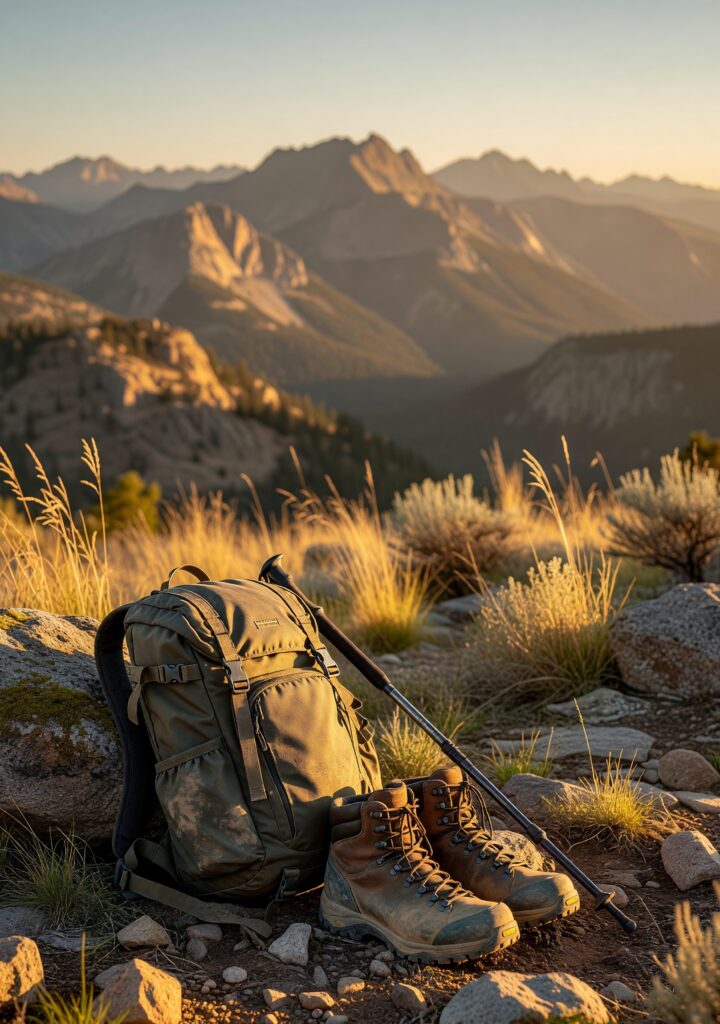
Layering is key to staying comfortable and quiet. Opt for smart fabrics that regulate temperature and wick moisture, paired with scent-control treatments to evade wary noses. A durable daypack with modular compartments keeps essentials organized—water, snacks, calls, and knives at the ready. For longer treks, ultralight sleeping systems ensure restful nights under the stars, blending comfort with minimal weight.
Embracing Ethics and Sustainability
At its core, hunting is about harmony with nature. Adhere to the fair chase principle, targeting only what you can ethically take, and support population management through selective harvesting. Combat issues like chronic wasting disease by following testing protocols and avoiding high-risk areas. Community involvement amplifies impact—join local groups for habitat restoration or youth mentorship programs. Sustainable practices, such as using every part of the animal and minimizing waste, reinforce hunting’s role in conservation. By choosing lead-free ammo and practicing leave-no-trace principles, you protect ecosystems for future pursuits. This mindset not only enriches personal experiences but fosters a legacy of responsible outdoor passion.
Discovering Prime Hunting Grounds
Diverse landscapes offer endless opportunities, from dense forests teeming with deer to open plains alive with upland birds. Public lands provide accessible entry points, often with marked trails and blinds. Research state-managed areas for species-specific zones, considering factors like terrain and water sources. Guided outfitters can unlock remote spots, sharing insider knowledge on patterns and regulations. Whether bowhunting in thick cover or rifle stalking across meadows, match your style to the environment. Always respect private property and tribal lands, building goodwill with landowners through courtesy. These destinations aren’t just hunting spots—they’re classrooms for learning the rhythms of wildlife.
Key Takeaways
- Train consistently with hikes and strength exercises to handle hunting’s physical demands.
- Invest in versatile optics like rangefinder binoculars for precise, ethical shots.
- Layer with smart, scent-free clothing to stay undetected and comfortable.
- Practice sustainable methods, including disease testing and waste reduction.
- Scout locations early to understand game behavior and access routes.
- Join hunting communities for shared knowledge and conservation efforts.
- Always prioritize safety with communication plans and essential gear.
Ready to embrace the hunt? Dust off your boots, check your local regulations, and venture into the wild. Your next adventure awaits, promising growth, gratitude, and a deeper bond with nature.