
Every step on a rugged trail can burn up to 600 calories per hour, turning a simple walk into a full-body workout that rivals any gym session. Yet hiking offers far more than physical benefits—it’s a profound way to reconnect with nature, clear the mind, and build resilience against daily stresses. In an era where urban life dominates, more people are turning to the outdoors for solace and adventure, seeking trails that challenge and restore. This surge reflects a broader shift toward mindful movement, where hiking serves as both escape and essential practice for well-being. Whether you’re a novice eyeing your first path or a seasoned trekker plotting epic journeys, the trails await with endless possibilities. From mist-shrouded forests to sun-baked ridges, each hike promises discovery: the thrill of a summit view, the quiet rhythm of boots on earth, the camaraderie of fellow explorers. But to make the most of these experiences, preparation is key. Understanding the right gear, destinations, and habits ensures not just enjoyment, but also respect for the wild places we cherish. As trails grow busier, embracing sustainable practices becomes crucial, preserving these sanctuaries for future generations. Dive into the world of hiking, where every outing builds confidence, sharpens senses, and fosters a deeper appreciation for the planet. Get ready to lace up, breathe deep, and let the path guide you toward horizons unknown.
Essential Gear for the Modern Hiker
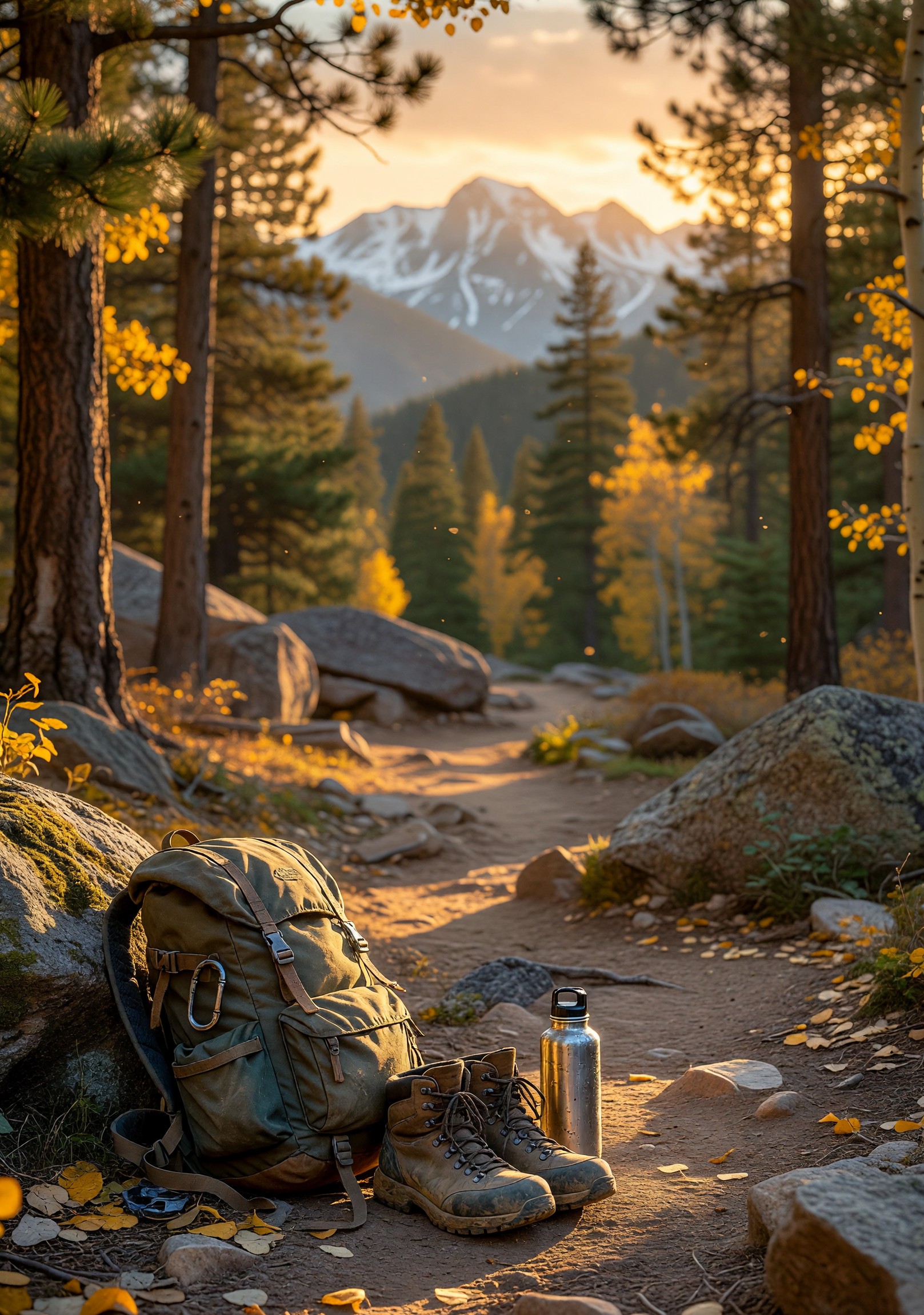
Hiking gear has evolved dramatically, blending lightweight innovation with durability to make long treks more accessible. Start with footwear: trail runners are surging in popularity over traditional boots for their breathability and reduced weight, ideal for day hikes on well-maintained paths. For rougher terrain, opt for mid-cut hikers with grippy outsoles that handle mud and rocks without weighing you down.
Packs and Layers
A versatile daypack, around 20-30 liters, should feature adjustable straps and hydration compatibility. Layering remains timeless—base layers in moisture-wicking synthetics or merino wool, insulating mid-layers for cooler climbs, and waterproof shells for sudden showers. Ultralight options now dominate, allowing you to carry less while staying protected.
Tech and Essentials
Don’t overlook navigation tools: GPS apps on smartphones paired with offline maps keep you oriented, while satellite communicators provide emergency signals in remote areas. Essentials like a first-aid kit, headlamp, and multi-tool round out your kit, ensuring you’re prepared for the unexpected without overloading your load.
Discovering Iconic Trails and Destinations
The allure of hiking lies in its variety, from gentle forest loops to multi-day epics. In the United States, national parks offer world-class options: weave through the ancient trees of the Smokies for wildflower meadows and bear sightings, or tackle the high alpine meadows of the Rockies for panoramic vistas. For longer adventures, consider thru-hikes like the Appalachian Trail’s rolling green tunnels or the Pacific Crest’s diverse ecosystems from desert to snowcapped peaks.
International Escapes
Beyond borders, trails like the Inca path to Machu Picchu blend history with high-altitude drama, or Europe’s Tour du Mont Blanc circles jagged peaks through three countries. Closer to home, state parks and regional forests provide less-crowded gems—think coastal cliffs in the Pacific Northwest or desert canyons in the Southwest. Always research permits and seasonal conditions to choose trails matching your fitness level.
Prioritizing Safety and Sustainability
Safety starts with planning: assess your fitness, check weather forecasts, and inform someone of your itinerary. Carry ample water—one liter per two hours—and high-energy snacks to maintain stamina. Stick to marked trails to avoid getting lost and minimize erosion; in bear country, use food storage sacks to keep wildlife at bay.
Leave No Trace Principles
Sustainability elevates every hike—pack out all trash, even micro-pieces, and tread lightly on fragile vegetation. Choose eco-friendly gear made from recycled materials, and support local communities by hiking with guides who promote conservation. By camping on durable surfaces and respecting wildlife distances, you help preserve trails for all. Join hiking groups to share knowledge and amplify these efforts, turning individual outings into collective stewardship.
Ready to hit the trail? Grab your pack, rally a friend, and step into the adventure that awaits—your next favorite hike is calling.
Key Takeaways
- Invest in lightweight, versatile gear like trail runners and adjustable packs to enhance comfort on any hike.
- Plan routes based on your experience level, always checking weather and sharing your itinerary for safety.
- Embrace national parks and lesser-known trails for diverse scenery, from forests to mountains.
- Carry sufficient water and food, aiming for one liter per two hours, to sustain energy levels.
- Practice Leave No Trace by packing out waste and staying on durable paths to protect ecosystems.
- Incorporate tech like GPS apps and satellite devices for navigation and emergencies in remote areas.
- Connect with hiking communities to learn tips, share experiences, and promote sustainable practices.