
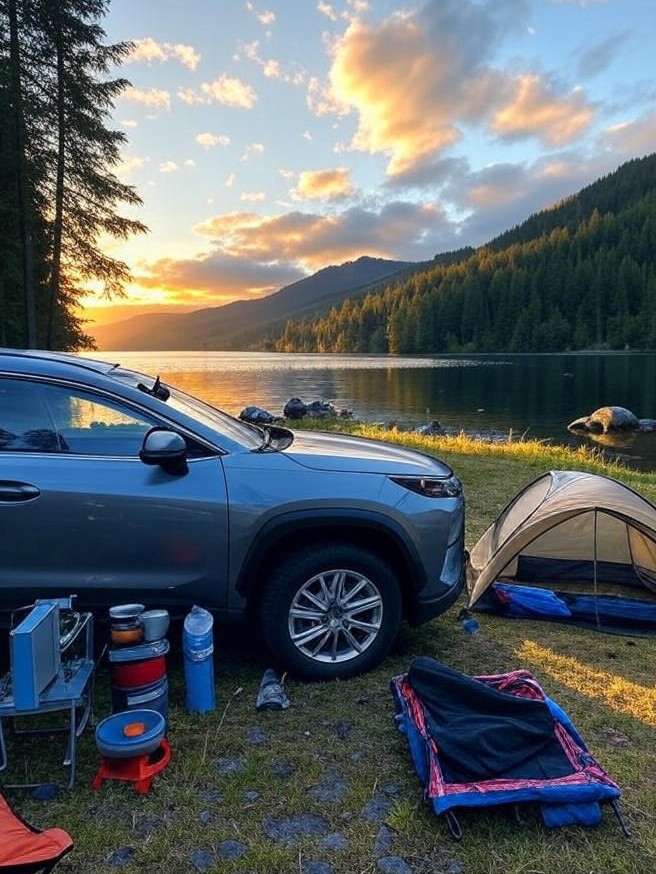
In 2024, car camping accounted for nearly 40% of all U.S. camping trips, a figure set to climb higher in 2025 as electric vehicles and remote work trends make spontaneous getaways more accessible than ever. This surge isn’t just about numbers; it’s a response to our collective craving for affordable, flexible escapes in a world that’s increasingly glued to screens. Car camping lets you pack your home on wheels, hit the road without the hassle of backcountry permits, and wake up to birdsong instead of an alarm clock—all while keeping costs low and environmental impact in check. As fuel-efficient EVs like the Tesla Cybertruck and Rivian R1T dominate headlines, 2025 promises innovations that blend comfort with off-grid capability, from solar-powered fridge integrations to app-based campsite bookings that prioritize sustainable spots. For outdoor enthusiasts tired of rigid itineraries, this is your invitation to reclaim adventure on your terms. Whether you’re a solo traveler chasing sunsets or a family building s’mores traditions, car camping democratizes the wilderness, turning any parking spot into a portal to nature’s reset button. Picture rolling into a misty forest at dusk, your rooftop tent unfolding like a mechanical flower, as the day’s stresses dissolve under a canopy of stars. It’s not just camping; it’s a lifestyle hack for 2025, where mobility meets mindfulness, and every mile logged builds stories worth retelling. With climate-conscious practices gaining traction—think zero-waste kits and leave-no-trace ethics—this form of exploration is evolving to protect the very landscapes we love. Get ready to fuel up (or charge up) and discover why car camping is the ultimate blend of freedom and fortitude in the year ahead.
Why Car Camping is Thriving in 2025
Car camping’s appeal has exploded thanks to post-pandemic priorities: flexibility, affordability, and a deeper connection to nature. In 2025, expect trends like integrated EV charging at national parks and AI apps that suggest routes based on weather and crowd levels. It’s perfect for beginners intimidated by traditional backpacking, offering a ‘try before you buy’ entry into the outdoors. Communities are booming too—online forums and local meetups foster shared experiences, from gear swaps to group cleanups. Sustainability is key; with regulations tightening on dispersed camping, opt for established sites that support conservation efforts. This year, it’s all about low-impact adventures that leave you recharged, not the planet depleted.
Essential Gear Recommendations for 2025
Core Setup: Tents and Sleep Systems
Forget flimsy tarps; 2025’s rooftop tents from brands like Thule or iKamper pop up in under five minutes and sleep two comfortably, with built-in rain flies for those surprise Pacific Northwest downpours. Pair it with a memory-foam mattress topper to mimic home comforts. Ground dwellers, check out the NEMO Dagger OSMO—lightweight, recycled-material tents that pack small for your trunk.
Kitchen and Power Essentials
A portable butane stove like the Jetboil Flash boils water in 100 seconds for coffee rituals, while the Goal Zero Yeti 200X solar generator keeps devices humming off-grid. For 2025 innovation, the BioLite FirePit+ offers smokeless flames and USB charging, turning evenings into eco-friendly bonfires. Don’t skimp on a bear-proof cooler from RTIC—insulated for days, essential for food safety in bear country.
Safety and Comfort Add-Ons
Pack a Garmin inReach satellite communicator for spotty signal areas, and LED lanterns with 360-degree light like Black Diamond’s Moji for navigation. Insect-repellent clothing from ExOfficio wards off bugs sustainably, and a first-aid kit stocked with 2025 must-haves like quick-clot bandages rounds out your kit.
Top Car Camping Destinations for 2025
Head to California’s Big Sur for dramatic coastal cliffs and Highway 1 pullouts, where new EV stations make it greener than ever. In the Rockies, Colorado’s San Juan National Forest offers dispersed sites with alpine views—book via Recreation.gov to beat the crowds. For East Coasters, Shenandoah National Park’s Skyline Drive delivers 105 miles of accessible camping with wildlife spotting galore. Internationally, Canada’s Banff National Park shines with 2025 upgrades like expanded fire rings and shuttle services reducing car dependency. Always check for seasonal closures and pack out what you pack in to preserve these gems.
Safety, Sustainability, and Community Tips
Safety starts with site selection: avoid flood-prone areas and use apps like AllTrails for reviews. Build a fire only in designated rings, and store food in bear canisters to protect wildlife. Sustainability means choosing biodegradable soaps and supporting parks through donation apps. Join communities like the Car Camping Collective for tips and events—it’s where lifelong friendships spark around shared campfires. As you plan your trip, remember: the best adventures respect the land and each other. Ready to hit the road? Grab your keys, load the trunk, and make 2025 your year of wheeled wanderlust—your next horizon awaits.
Key Takeaways
- Opt for versatile gear like rooftop tents to maximize space and comfort in your vehicle.
- Embrace 2025 EV trends by selecting solar-powered accessories for off-grid reliability.
- Prioritize established campsites to minimize environmental impact and ensure safety.
- Pack a comprehensive first-aid and emergency communication kit for peace of mind.
- Follow Leave No Trace principles: pack out trash and respect wildlife habitats.
- Connect with local car camping groups for insider tips and sustainable practices.
- Plan routes with apps that highlight low-crowd, eco-friendly destinations.