
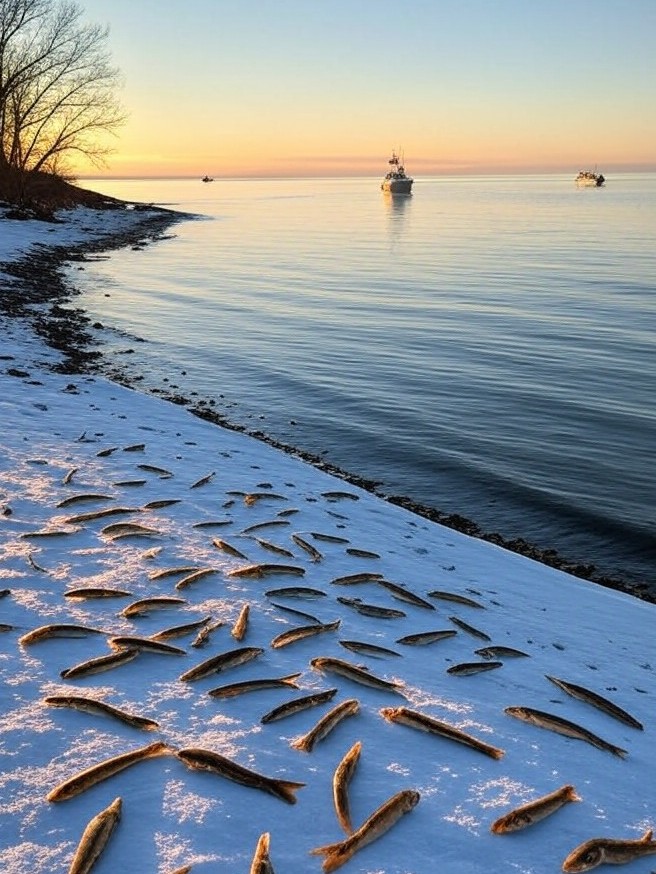
Winter snook fishing offers a thrilling challenge for anglers, as these powerful inshore predators seek refuge in warmer coastal waters during the cooler months. From Florida’s mangroves to Texas bays, snook migrate to protected areas like rivers, passes, and estuaries where water temperatures hover above 60°F. This seasonal shift makes lure selection crucial—effective winter lures mimic baitfish, shrimp, and crabs that snook target while braving sluggish currents and clearer waters. Why does it matter? Beyond the adrenaline of hooking a trophy snook (often 30+ inches), winter fishing hones your skills in stealthy presentations and precise retrieves, rewarding patience with fewer but larger catches. For outdoor enthusiasts, it’s a prime time to escape holiday crowds, connect with nature’s quieter side, and stock the freezer with fresh fillets. However, success demands respect for regulations: snook seasons vary by state (e.g., closed December-February in parts of Florida), requiring permits and catch limits. Gear up with abrasion-resistant line (20-30 lb braid) and a medium-heavy rod for their acrobatic fights. Whether you’re a novice or seasoned pro, these top lures will boost your odds, turning chilly outings into memorable triumphs. Dive in, stay safe, and embrace the winter bite.
Top 10 Winter Snook Lures
#1 DOA Shrimp
The DOA Shrimp is a soft plastic imitation that excels in winter due to its realistic tail action mimicking fleeing shrimp, a staple snook diet in cooler waters. At 3-4 inches, it’s perfect for shallow mangroves or docks where snook hold tight. Rig it weedless on a 1/8 oz jighead for subtle twitches; retrieve slowly with pauses to entice lethargic fish.
In Florida’s Indian River Lagoon, target early mornings when snook ambush near structure. Its durable material withstands toothy strikes, and the glow-in-the-dark version shines in low-light winter dawn patrols. Pro tip: Use lighter colors like pearl or natural shrimp for clear water clarity.
#2 MirrOlure MirrOdine Suspending Twitchbait
This 4-inch hard bait suspends at mid-depths, ideal for winter snook staging in 3-6 feet of water around passes. Its subtle wiggle on twitches imitates injured baitfish, provoking strikes from finicky fish in 55-65°F temps. The slow-sinking action lets you work it over seagrass without spooking wary targets.
Common in Texas’s Laguna Madre, pair it with 15 lb fluorocarbon leader to avoid line-shy snook. Retrieve with short jerks and long pauses—snook often hit on the fall. Its rattle chamber adds vibration for murky conditions post-cold front.
#3 Rapala X-Rap Slashbait
A slashing, erratic swimmer, the 4-inch X-Rap disrupts water like panicked mullet, drawing explosive winter snook reactions near inlets. Its lightweight design (1/4 oz) casts far into windy coastal areas, and internal rattles amplify sound for cooler, less active fish.
In South Carolina’s coastal creeks, fish it during outgoing tides when snook feed aggressively. Use a steady retrieve with occasional stops; the holographic finish reflects light, mimicking scales in sunny winter days. Always check for slot limits—keep only legal sizes.
#4 Berkley Gulp! Swimming Mullet
Infused with attractant, this 4-inch soft plastic mullet scent trail draws snook from afar in winter’s sparse forage. The paddle tail creates vibration for slow retrieves in channels or under bridges. Rig on a 1/4 oz jig for deeper winter haunts.
Effective in Louisiana’s marshes, where snook seek warmer bays, twitch it gently to simulate distress. The biodegradable formula reduces environmental impact, aligning with sustainable fishing. Tip: New penny color excels in stained water after rains.
#5 Johnson Silver Minnow Spoon
This classic 1/2 oz spoon wobbles erratically, flashing like fleeing menhaden—a winter favorite for snook in open bays. Its weedless design cuts through grass beds where snook winter over in Florida’s Everglades.
Cast and let it flutter on a slow retrieve; the hum of the blade triggers strikes in 50-60°F water. Pair with a 7-foot rod for long casts. Safety note: Wear polarized sunglasses to spot cruising snook.
#6 Z-Man DieZel MinnowZ
Buoyant ElaZtech material makes this 4-inch swimbait float subtly, perfect for winter shallows. The curly tail undulates slowly, imitating cold-stunned baitfish near oyster bars or pilings.
In North Carolina’s sounds, hop it along bottoms during slack tides. Durable against multiple catches, it’s a go-to for all-day sessions. Use chartreuse for visibility in green water.
#7 Hogy Pro Tail Paddle Tail
A 3.5-inch paddle tail softie with a beefy profile, it displaces water to mimic larger winter prey like pinfish. Rig on a weedless hook for snook hiding in mangrove roots.
Texas anglers swear by it in the Intracoastal Waterway; slow-roll near structure for hookups. The epoxy head adds weight for casting into wind. Pro tip: Saltwater rinse after use to prevent corrosion.
#8 Storm Wildeye Swim Shad
Life-like eyes and 3D body on this 4-inch shad lure fool snook in clear winter waters. The soft tail thumps rhythmically, ideal for steady retrieves over flats.
Florida’s Biscayne Bay sees success at dusk; jerk and pause to trigger follows. Affordable and tough, it’s beginner-friendly. Check local regs for artificial bait rules.
#9 Yo-Zuri 3DS Minnow
Suspended at precise depths, this 4.5-inch hard minnow’s holographic finish and internal weights create a lifelike swim for picky winter snook in passes.
In Georgia’s Golden Isles, twitch it mid-water column during flood tides. The crystal flash adds realism. Use 20 lb braid for sensitivity in cooler, denser water.
#10 Berkley PowerBait Pre-Rigged Swim Shad
Ready-to-fish with a rigged hook, this 3-inch shad’s infused bait scent lingers, attracting snook in low-visibility winter murk. The curly tail vibrates on slow pulls.
Great for Alabama’s Mobile Bay; drift it with current for natural presentation. Compact for kayak fishing. Tip: White color pops in overcast skies.
Key Takeaways
- Always verify snook season and slot limits via state wildlife agencies—e.g., Florida’s harvest season runs September-May with 28-32 inch keepers.
- Wear life jackets and check weather apps for sudden cold fronts that drop water temps and snook activity.
- Use 20-30 lb braided line with fluorocarbon leaders to handle snook’s gill-raking runs and abrasive mouths.
- Fish dawn/dusk or overcast days when winter snook feed most actively in warmer refuges like creeks and mangroves.
- Practice catch-and-release for undersized fish using barbless hooks to promote sustainable populations.
- Pack layers, thermos of hot drinks, and sunscreen—winter sun reflects intensely off water.
- Obtain a valid fishing license and saltwater stamp; report tagged snook to aid research.
How to Get Started
To kick off your winter snook lure adventures, start by getting licensed: Visit your state’s fish and wildlife website (e.g., myfwc.com for Florida) for permits, typically $17-50 annually. Scout local spots via apps like Fishbrain or Navionics for winter hotspots—focus on south-facing shores with 65°F+ water. Assemble a basic kit: 7-foot medium-heavy spinning rod, 3000-series reel spooled with braid, pliers, and a tackle box with the top lures above. Join a local fishing club or hire a guide for your first trip to learn reads on tides and structure. Practice casts in your yard, then hit the water on a mild weekend. Track catches in a journal to refine techniques. Remember, patience pays—slow presentations rule in winter. Stay safe, respect no-fishing zones, and share your stories with fellow enthusiasts.