
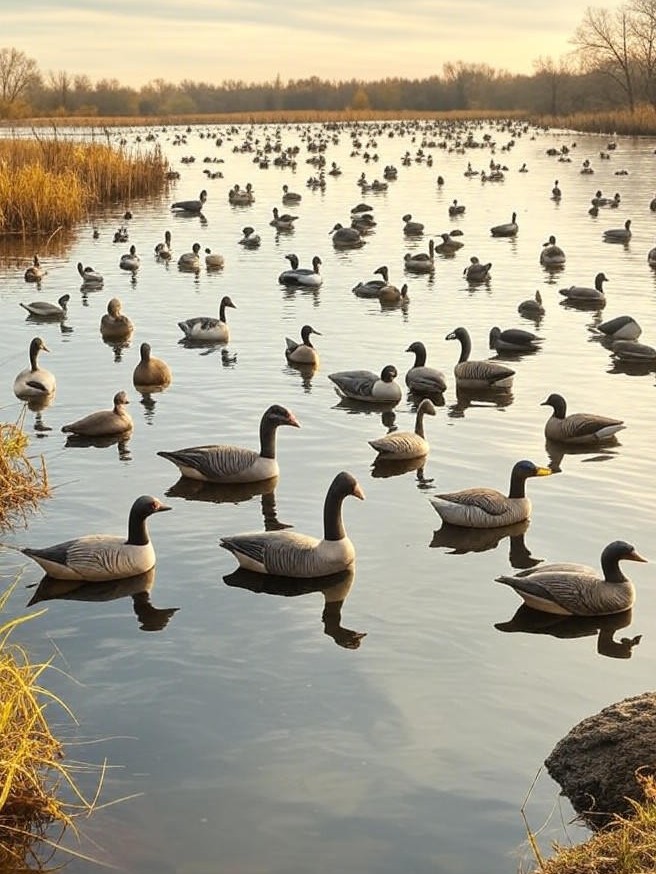
Waterfowl hunting is a timeless pursuit that connects outdoor enthusiasts with the rhythms of nature, the thrill of the call, and the satisfaction of a well-executed shot. At the heart of any successful hunt lies the decoy spread—the strategic arrangement of artificial birds designed to lure wary waterfowl into range. These setups aren’t just about quantity; they’re about mimicking natural behaviors, seasonal migrations, and habitat preferences to fool ducks and geese into believing they’ve found a safe haven. For beginners and seasoned hunters alike, mastering decoy spreads elevates the experience from mere chance to calculated artistry.
Why do decoy spreads matter? In an era of increasing hunting pressure and smarter birds, a thoughtful spread can mean the difference between a skunked morning and a limit of birds. They adapt to wind, water depth, and species, turning ordinary potholes or fields into irresistible magnets. Whether you’re ambushing mallards on a frigid prairie slough or calling in Canada geese over harvested corn, the right spread boosts confidence and conservation by promoting ethical, effective harvests. With federal and state regulations emphasizing sustainable practices, understanding spreads ensures you’re not just hunting, but contributing to waterfowl populations. Dive into our top 10 spreads, complete with tips on setup, timing, and tweaks for your local conditions—perfect for planning your next fall outing.
Top 10 Waterfowl Decoy Spreads
#1 The Classic U-Shaped Duck Spread
This timeless setup forms a U-shape with 12-24 decoys, ideal for open water like ponds or lakes. Position the curve facing the wind to simulate resting ducks feeding or loafing, drawing incoming birds to land in the pocket. Use a mix of mallard hens and drakes for realism; add motion with jerk strings or flags for windy days.
Best in early season (September-October) when ducks are less pressured, target Midwest sloughs or Eastern reservoirs. Tip: Anchor decoys 10-15 feet apart to avoid clumping; check local bag limits and obtain your duck stamp and HIP permit before heading out.
#2 J-Hook for Canada Geese
A staple for field hunting, the J-hook arranges 20-40 silhouette or full-body decoys in a curved J, with the hook pointing into the wind. This mimics a family group feeding on waste grain, pulling honkers low for shots over 20-30 yards. Include sentries upright for added authenticity.
Prime for late season (November-December) in agricultural areas like the Mississippi Flyway. Safety note: Scout fields legally with permission from landowners; use non-toxic shot to protect wetlands.
#3 Tight-Riding Block for Diving Ducks
For species like scaup or redheads, cluster 18-30 decoys in a compact block (10×10 feet) on deeper bays or rivers. This replicates rafts of divers bobbing together, effective in choppy water where motion decoys shine with spinners or teeter-totters.
Use during migration peaks (October) along coastal flyways; adjust for current by weighting anchors heavily. Pro tip: Pair with diver calls to avoid spooking sensitive birds—always wear a PFD near open water.
#4 V-Formation for Early Geese
Arrange 15-25 decoys in a shallow V to imitate a landing flock, perfect for pastures or moist soil fields. The point of the V faces away from your hide, guiding birds into the decoys naturally.
Ideal for September hunts in the Atlantic Flyway; keep spreads small to match young family groups. Gear essential: Camo blinds and wind socks for visibility in open terrain.
#5 Snow Goose Tornado Spread
For massive light goose hunts, deploy 50+ decoys in a swirling tornado pattern on frozen fields, simulating a resting blizzard. Windsocks and flags create dynamic movement to combat educated birds.
Target conservation order seasons (January-March) in the Central Flyway; electronic calls may be allowed—verify state regs. Planning tip: Use ATV for transport in remote areas, but respect no-wake zones if near water.
#6 MoJo Mallard Motion Spread
Center a mechanical decoy like a MoJo around 10-15 static mallards in a loose oval, emphasizing lifelike swimming action on small creeks or beaver ponds. This low-profile setup fools puddle ducks in tight cover.
Great for mid-season (October-November) in wooded Eastern spots; battery life is key—charge gear overnight. Safety: Hunt with a partner in low-light dawn conditions.
#7 C-Shape for Pintails
Form a C with 12-20 long-necked pintail decoys along shorelines, aping pairs feeding in shallow marshes. Add a few teal for variety to attract mixed bags.
Effective during Texas Gulf hunts (November); wind direction dictates the open side. Tip: Use biodegradable anchors in sensitive habitats to minimize environmental impact.
#8 Diamond Pattern for Specks
For sea ducks like scoters, lay out 20 decoys in a diamond on ocean points, with corners staggered to handle surf. Robust full-bodies withstand waves better than floats.
Peak in winter (December-February) along the Pacific Coast; boat access required—file a float plan. Gear: Layer for cold sprays and use decoy bags for quick retrieval.
#9 Family Group Cluster for Wood Ducks
A intimate 8-12 decoy cluster near wooded edges, mixing hens and drakes to lure elusive woods. Place in flooded timber pockets for ambush setups.
Early morning hunts in Southern swamps (September); soft calls enhance without overdoing it. Note: Poison ivy abounds—wear gloves and long sleeves.
#10 Hybrid Field-Water Spread
Combine 10 water decoys with 15 field ones along edges, bridging habitats for late migrants. This versatile rig works on reservoirs with adjacent crops.
All season flexible in the Pacific Flyway; scout via apps like OnX for public lands. Final tip: Rotate positions weekly to keep birds guessing.
Key Takeaways
- Always prioritize safety: Wear blaze orange vests, follow firearm rules, and hunt with a buddy in remote areas.
- Plan ahead: Check weather, obtain necessary permits like federal duck stamps, and scout locations a week prior.
- Gear essentials: Invest in quality decoys (non-toxic materials), motion devices, and weatherproof calls for reliability.
- Adapt to conditions: Adjust spreads for wind speed and direction; smaller in calm, larger in breeze.
- Ethical hunting: Respect bag limits, avoid shooting cripples, and contribute to habitat via DU memberships.
- Conservation first: Use lead-free ammo and pack out trash to protect wetlands for future generations.
- Learn locally: Join guides or clubs for region-specific tweaks on spreads and regulations.
How to Get Started
Begin by assessing your local waterfowl hotspots—use apps like HuntStand to map public lands and migration patterns. Invest in a starter kit: 12 mixed decoys, anchors, a basic call, and a portable blind, totaling under $200. Practice setups in your backyard to perfect spacing and motion. Join a hunting education course through your state’s wildlife agency for safety certification and tips. Start small with early-season hunts on familiar waters, journaling what works to refine your skills. Finally, connect with online forums or local DU chapters for mentorship—your first successful spread is just a dawn away.