
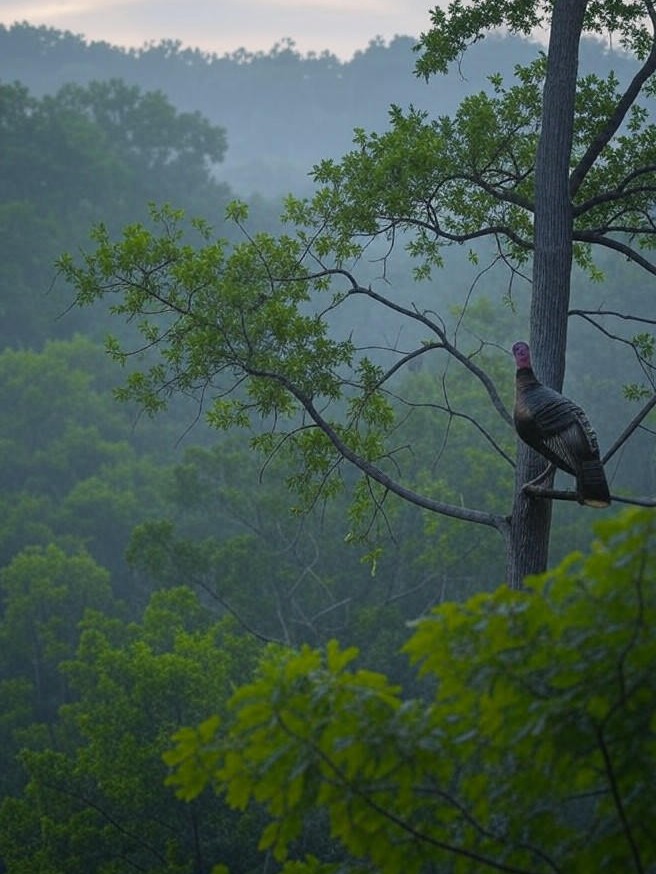
Turkey roost hunting is one of the most exhilarating pursuits in the world of outdoor adventures, offering hunters a chance to outsmart one of nature’s most cunning birds at the very spots where they rest. As wild turkeys seek safety in tall trees overnight, targeting these roosts requires precision, patience, and a deep understanding of turkey behavior. For outdoor enthusiasts, this form of hunting isn’t just about the harvest—it’s about immersing yourself in the pre-dawn hush of the woods, listening to gobbles echo through the mist, and respecting the rhythms of the wild. Spring gobbler seasons, typically from late April to early May in many U.S. states, draw thousands of hunters eager to experience the thrill of calling in a tom from his nighttime perch.
Why does it matter? Beyond the adrenaline rush, turkey roost hunting promotes conservation by adhering to regulated seasons that protect flocks during breeding periods. It hones skills like scouting and stealth, transferable to other pursuits like deer or waterfowl hunting. Plus, in an era of urban sprawl, it reconnects us to untamed landscapes, whether in the rolling hills of the Southeast or the open prairies of the Midwest. Mastering these tips can turn a novice into a seasoned caller, ensuring ethical, successful hunts that leave you with stories around the campfire. With proper preparation, including checking local regulations via state wildlife agencies, you’ll be ready to elevate your game this season.
Top 10 Turkey Roost Hunting Tips
#1 Scout Roost Sites Early
Identifying active roost trees is the foundation of successful turkey hunting. Start scouting weeks before the season by listening for evening yelps and gobbles at dusk. Look for large oaks, pines, or cedars near water sources and open fields where hens feed. Use binoculars from a distance to avoid spooking birds, and mark GPS coordinates for easy access.
In regions like Pennsylvania or Alabama, roosts often cluster in mature timber along ridges. Visit during off-season to note fly-up patterns, ensuring you’re set up 100-200 yards away on hunt day without alerting the flock.
#2 Master Pre-Dawn Setup
Arrive at your roost site at least an hour before first light to avoid rustling leaves or snapping twigs. Position yourself downwind and in natural cover, like a ground blind or thick brush, to blend seamlessly. The goal is to be in place when the first gobbles break the silence, allowing you to gauge the birds’ direction.
Spring mornings in the Midwest can be chilly, so layer with quiet fabrics. Patience here pays off—turkeys may pitch down from the roost directly toward your calls if you’re undetected.
#3 Use Soft Calling Techniques
At the roost, employ subtle calls like tree yelps or clucks to mimic hens still in the trees, avoiding aggressive gobbles that might scatter the flock. A slate or box call works best for these low-volume sounds, building excitement as daylight approaches.
Practice in advance to match local dialects; in Southern states, softer purrs can draw wary toms. Overcalling early can backfire, so listen more than you speak.
#4 Understand Wind Direction
Wind is your ally and enemy in roost hunting—always set up so it carries your scent away from the birds while bringing their sounds to you. Check forecasts and use a wind checker to confirm direction on-site, as even a slight shift can alert turkeys to your presence.
In windy conditions common to the Great Plains, turkeys roost on sheltered leeward sides of hills. Adjust your position dynamically if needed, prioritizing safety on uneven terrain.
#5 Deploy Decoys Strategically
Place a hen decoy 20-30 yards from your setup in an open strut zone near the roost, adding a jake decoy during peak breeding to provoke jealous toms. Ensure decoys are lifelike and motion-activated for realism in calm mornings.
State regulations vary—some areas like Texas limit decoy use in public lands, so verify permits. This visual trigger can turn a hesitant gobbler into a committed approacher.
#6 Focus on Shot Placement
Aim for the head and neck with a 12-gauge shotgun loaded with No. 4-6 shot for clean, ethical kills at 40 yards max. Pattern your gun beforehand to confirm tight spreads, as turkeys’ dense feathers demand precision.
Practice at clay targets to simulate moving birds. In roost scenarios, wait for the tom to commit fully on the ground, respecting bag limits (often one bearded bird per day in spring).
#7 Respect Legal and Ethical Guidelines
Obtain required hunting licenses and turkey tags from your state’s fish and wildlife department, and adhere to season dates, typically dawn to noon. Use non-toxic shot to protect wetlands, and report harvests as mandated in areas like Georgia.
Ethics matter—never shoot hens or jakes, and give birds a fair chase. This sustains populations for future hunts.
#8 Monitor Weather Patterns
Ideal roost hunts occur in stable, mild weather, but fronts can concentrate birds. Rain softens noise for stealthy approaches, while cold snaps keep turkeys roosted longer into the morning.
In the Northeast, track barometric pressure rises pre-front for active gobbles. Always pack rain gear and avoid hunting in severe storms for safety.
#9 Essential Gear Checklist
Pack a lightweight shotgun, quality calls (mouth, slate, box), camouflage clothing rated for silence, and a turkey vest with pockets for organization. Include a face mask, gloves, and a rangefinder for distance judgment.
For multi-day hunts in remote spots like national forests, add a hydration pack and first-aid kit. Invest in motion-activated trail cams for pre-season intel.
#10 Cultivate Patience and Observation
Roost hunting tests your resolve—birds may gobble endlessly but hang up. Observe their routine: fly-down direction often follows hens. If they go silent, relocate quietly without forcing the issue.
Journal successes and failures to refine tactics. In high-pressure public lands, this mindset separates casual hunters from experts.
Key Takeaways
- Always prioritize safety by wearing blaze orange when moving and informing others of your plans.
- Plan hunts around legal seasons and obtain permits early to avoid fines.
- Invest in quality, scent-free camouflage and calls for better concealment and authenticity.
- Respect bag limits and ethical harvesting to support turkey conservation efforts.
- Monitor weather and terrain to adapt setups, reducing risks like slips on wet ground.
- Use GPS and maps for navigation in unfamiliar roost areas, especially at dawn.
- Clean and store gear post-hunt to ensure longevity for future adventures.
How to Get Started
To dive into turkey roost hunting, begin by researching your local regulations through your state’s wildlife agency website and securing a hunting license. Join a beginner’s clinic or mentor with an experienced hunter via organizations like the National Wild Turkey Federation. Scout potential sites during the off-season, practicing calls at home with online tutorials. Invest in basic gear like a reliable shotgun and calls, then plan your first hunt for opening day, arriving early and staying patient. Track your experiences in a journal to improve, and remember, every outing builds skills—soon you’ll be sharing your own roost stories.