
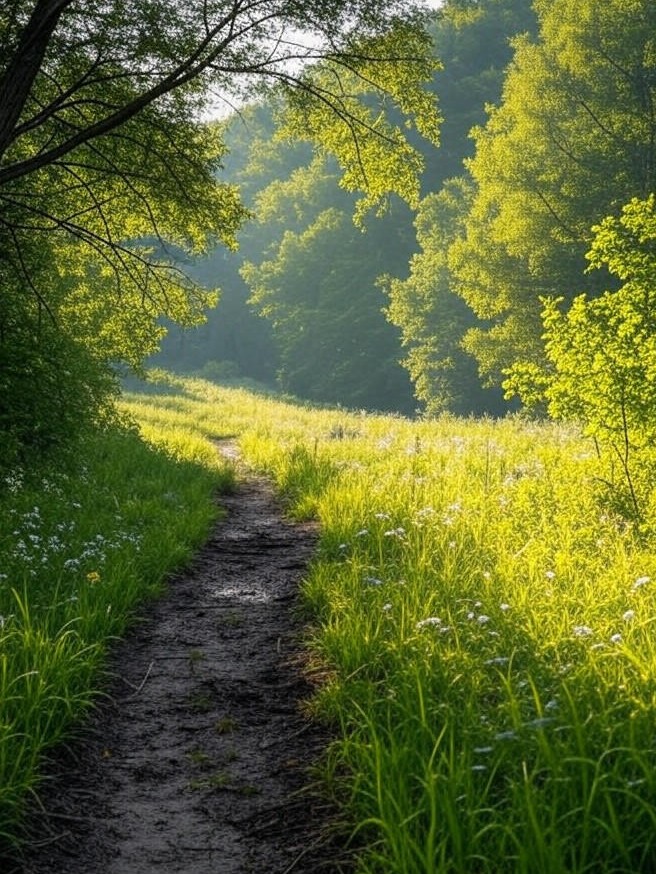
Trail running is more than just a workout—it’s an exhilarating way to connect with nature, challenge your limits, and discover breathtaking landscapes that road running could never offer. For outdoor enthusiasts, hitting the trails means weaving through ancient forests, scaling rugged mountains, and splashing across crystal-clear streams, all while boosting endurance and mental clarity. Whether you’re a beginner seeking gentle paths or a seasoned ultra-runner craving technical terrain, trail running builds resilience against uneven surfaces, roots, and rocks, turning every stride into an adventure. It’s a low-impact escape from urban hustle, promoting mindfulness amid wildflowers and wildlife. But what draws runners back to the trails? The thrill of elevation gains, the serenity of remote vistas, and the satisfaction of self-powered exploration. In a world increasingly disconnected from the outdoors, trail running reignites that primal joy, fostering a deeper appreciation for our planet’s diverse ecosystems. This season, with improving weather and endless possibilities, it’s the perfect time to lace up and explore. Our top 10 adventures highlight iconic routes worldwide, from U.S. national parks to international gems, complete with practical tips on gear, safety, and optimal timing to ensure your runs are as safe as they are unforgettable. Get ready to elevate your running game and create stories worth retelling around the campfire.
Top 10 Trail Running Adventures
#1 Zion Traverse, Utah, USA
The Zion Traverse in Zion National Park is a bucket-list run for its dramatic red rock canyons and slot sections. Spanning about 50 miles from the East Entrance to the West Rim, this point-to-point route challenges runners with steep climbs and descents, including the infamous Angels Landing detour (permit required via lottery). Best in spring (March-May) or fall (September-November) to avoid summer heat over 100°F; expect 8,000 feet of elevation gain.
Pack lightweight trekking poles for stability on loose gravel, and carry at least 3 liters of water since sources are scarce. Safety tip: Check for flash flood warnings, as narrow canyons can fill rapidly. Trail runners rave about the sunrise views from Observation Point—start early to beat crowds and finish with a celebratory shuttle ride back.
#2 Pacific Crest Trail Segments, California, USA
Iconic sections of the Pacific Crest Trail (PCT), like the 100-mile stretch from Donner Pass to Echo Summit, offer alpine meadows and Sierra Nevada vistas. This high-elevation run (up to 9,000 feet) suits intermediate runners with its rolling terrain and occasional snowfields. Run in summer (June-August) when wildflowers bloom, but monitor for wildfires.
Gear essentials include sun protection, layered clothing for quick weather shifts, and bear spray in forested areas. Hydrate aggressively—filter water from streams. Pro tip: Join a guided group for navigation, as side trails can confuse. The reward? Panoramic lake views and a sense of conquering the West Coast’s spine.
#3 Tour du Mont Blanc, France/Italy/Switzerland
The Tour du Mont Blanc circles Europe’s highest peak over 105 miles, blending cultural immersion with epic trails. Multi-day runners tackle passes like Col de la Seigne (8,600 feet), with hut-to-hut options for rest. Ideal in late summer (July-September) for milder temps and open refuges; permits aren’t required but reservations are smart.
Wear trail shoes with aggressive lugs for muddy alpine sections, and pack rain gear—showers are common. Safety first: Acclimatize to altitude to prevent sickness, and share your itinerary with locals. Food stops in charming villages like Chamonix add flavor; it’s a run that nourishes body and soul.
#4 Grand Canyon Rim-to-Rim, Arizona, USA
Running the Grand Canyon’s South Kaibab to North Kaibab trails covers 24 miles with 10,000 feet of descent and ascent— a true test of grit. The inner canyon’s heat demands respect; best attempted in cooler months (October-April), starting pre-dawn. Lottery permits via recreation.gov are essential for overnight or shuttle use.
Hydration packs and electrolyte tabs are non-negotiable; refill at Phantom Ranch. Watch for heat exhaustion and rattlesnakes. Tip: Train on hilly terrain beforehand. Crossing from sunset hues to starry nights creates indelible memories of nature’s grandeur.
#5 Abel Tasman Coast Track, New Zealand
New Zealand’s Abel Tasman offers 37 miles of coastal paradise with golden beaches and turquoise bays. Run the full track over 3-4 days, dodging tides and seals. Prime time is summer (December-February) for warm weather; no permits needed, but book water taxis for logistics.
Opt for minimalist shoes on sandy sections, and insect repellent for sandflies. Safety: Check tide charts to avoid isolation. The route’s aquamarine waters tempt for post-run swims—pure bliss for ocean-loving runners.
#6 Rocky Mountain National Park Loops, Colorado, USA
Loops like the 13-mile Gem Lake to Lawn Lake in Rocky Mountain NP feature elk sightings and aspen groves. High altitude (9,000+ feet) requires pacing; summer (June-September) avoids snow, but timed entry permits are mandatory in peak season.
Layer for variable weather, and carry a map app like Gaia GPS. Beware of afternoon thunderstorms—start early. The wildflower-strewn meadows make it a sensory delight for Colorado trail fans.
#7 Cinque Terre Trails, Italy
Italy’s Cinque Terre connects five villages via 7-12 miles of cliffside paths with sea views. The rugged, stair-heavy terrain suits agile runners; visit in spring (April-June) or fall to dodge crowds. Trail passes (Cinque Terre Card) cover access.
Stable shoes prevent slips on stone steps; hydrate from village fountains. Safety: Trails close after rain—check updates. End with gelato in a seaside town for the ultimate reward.
#8 Hawaii’s Na Pali Coast, Kauai, USA
The Kalalau Trail’s 11-mile out-and-back plunges into lush valleys and ocean bluffs. Technical with stream crossings; best in summer (May-September) for drier conditions. Permits required for beyond Hanakapi’ai, via gohaena.com.
Mosquito repellent and reef-safe sunscreen are key. Watch footing on muddy descents. The remote beaches feel like another world—ideal for tropical trail escapes.
#9 Appalachian Trail in Shenandoah, Virginia, USA
Shenandoah’s 105-mile AT section rolls through blue ridges and waterfalls. Day runs or thru-hikes shine in fall (September-November) for foliage; no permits needed, but parking passes help.
Blister-preventing socks and a hydration vest are musts. Yield to hikers and watch for bears. The vibrant autumn colors turn it into a visual feast.
#10 Patagonia’s Torres del Paine W Circuit, Chile
The 50-mile W Circuit in Torres del Paine showcases glaciers and granite spires. Multi-day with campsites; run in shoulder seasons (November-March) for fewer crowds. Book refugios early.
Windproof layers and gaiters for dust; altitude is moderate but winds fierce. Safety: Inform rangers of plans. The dramatic peaks inspire awe in every adventurer.
Key Takeaways
- Always check weather and trail conditions via apps like AllTrails or park websites to avoid surprises.
- Invest in trail-specific shoes with good grip and invest in moisture-wicking layers for variable climates.
- Carry the Ten Essentials: navigation, sun protection, insulation, illumination, first-aid, fire, repair kit, food, water, and emergency shelter.
- Obtain necessary permits in advance and respect Leave No Trace principles to preserve trails.
- Train progressively with hill repeats and strength work to handle elevation and terrain demands.
- Run with a buddy or share your route via apps like Strava Beacon for safety in remote areas.
- Listen to your body—hydrate frequently and turn back if fatigued to prevent injuries.
How to Get Started
To dive into trail running, begin locally: scout beginner-friendly paths via apps like Trailforks or join a running club for guided outings. Assess your fitness with a doctor’s check-up, especially for high-altitude runs, and build a base with 20-30 miles weekly on mixed terrain. Essential gear includes fitted trail shoes (try brands like Hoka or Salomon), a running vest for water and snacks, and a GPS watch for tracking. Start short—aim for 5-10 mile loops with 500-1,000 feet of gain—to adapt to roots and rocks. Enroll in a trail running clinic or read guides like ‘Born to Run’ for inspiration. Plan your first adventure by researching permits on recreation.gov or international sites, budgeting for travel and entry fees. Track progress in a journal, and celebrate milestones with post-run recovery like foam rolling. Soon, you’ll be chasing those top trails with confidence.