
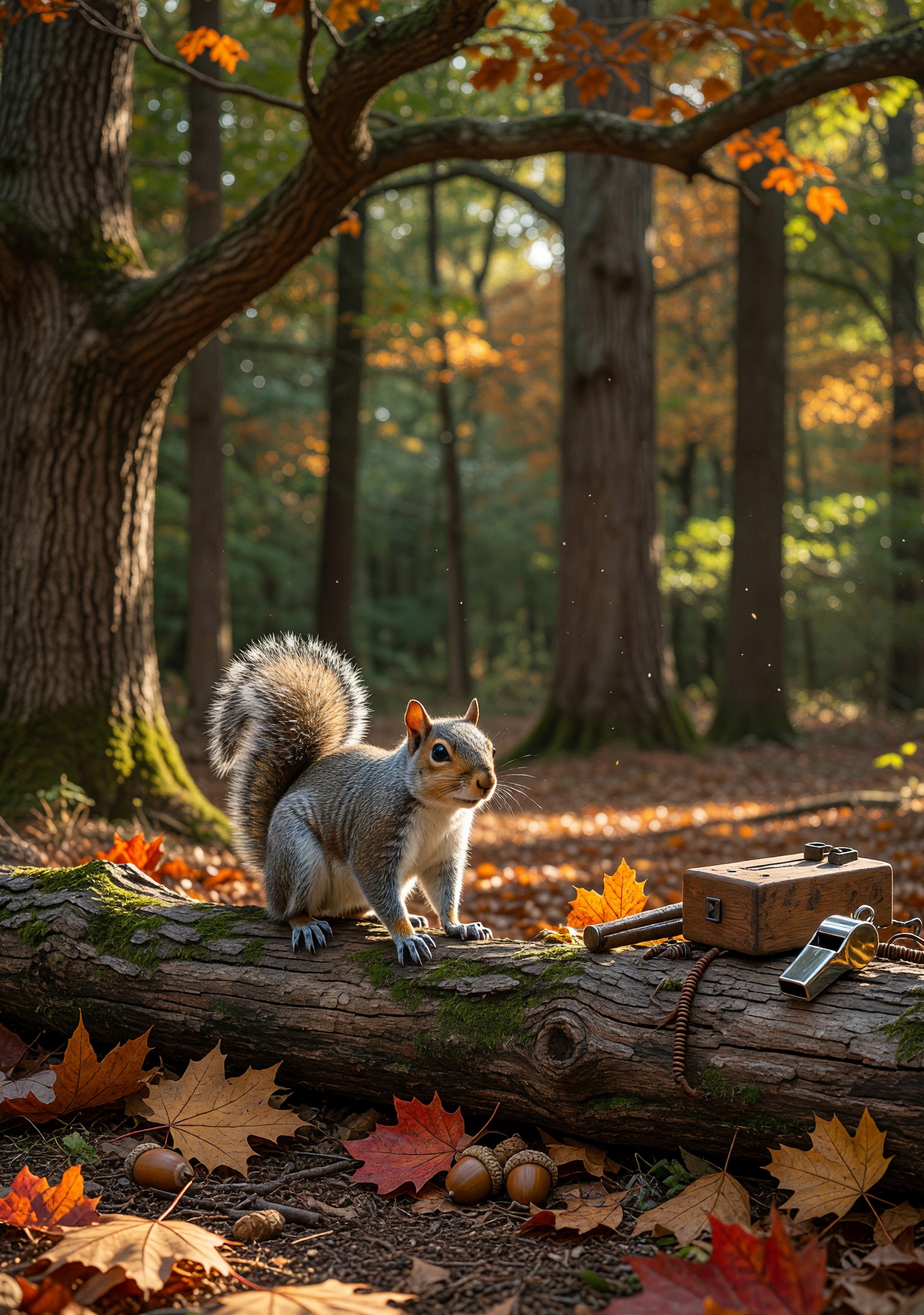
Squirrel hunting is a cherished pursuit among outdoor enthusiasts, offering a blend of skill, patience, and connection with nature. At the heart of a successful hunt lies the art of using calls—mimicked sounds that replicate squirrel vocalizations to draw these bushy-tailed critters within range. Whether you’re a seasoned hunter or just starting out, mastering squirrel hunting calls can transform a quiet woodland stroll into an exciting chase. These calls tap into the squirrels’ natural instincts, such as alerting territory, signaling danger, or calling to mates and young, making them responsive even in dense forests.
Why do calls matter? Squirrels are wary and quick, often spotting hunters from afar. A well-timed call can lure them closer for a better shot, increasing your success rate while minimizing disturbance to the ecosystem. In regions like the eastern U.S. woodlands or southern pine forests, where gray and fox squirrels thrive, calls are essential during fall and early winter hunts when acorns are plentiful. Always check local regulations for bag limits and seasons—typically September to February in many states. With the right techniques, calls not only boost your harvest but also deepen your appreciation for these agile rodents’ behaviors. This top 10 list explores the best calls, complete with tips on execution, ideal conditions, and gear recommendations to elevate your next outing.
Top 10 Squirrel Hunting Calls
#1 The Classic Bark
The classic bark is the squirrel’s go-to alert sound, a sharp ‘wah’ or ‘bark’ that warns of intruders. Hunters mimic this with a short, explosive puff of air through pursed lips or a simple call device like a diaphragm reed. Use it when scouting new areas to simulate a squirrel spotting you, prompting curious responses from nearby tree-dwellers.
Best in early morning or late afternoon during fall hunts in oak-heavy woods. Practice varying the pitch—higher for fox squirrels, lower for grays. Pair with light tapping on a tree trunk for realism. Safety tip: Always hunt from a stable stand to avoid ground-level surprises.
#2 The Kuh Alert
The ‘kuh’ call mimics the squirrel’s scolding alarm, a repetitive ‘kuh-kuh-kuh’ that signals mild threat. Produce it by clicking your tongue against the roof of your mouth or using an acorn-style call. It’s perfect for drawing squirrels out of leaf cover without spooking them entirely.
Ideal for mid-season hunts in mixed hardwoods from October to December. Start soft and build intensity to mimic escalating concern. In states like Pennsylvania or Tennessee, where squirrel populations are dense, this call can pull multiple responders. Remember to wear camouflage and stay downwind.
#3 The Chatter Imitation
Chattering is the squirrel’s excited feeding or social talk, a rapid ‘chuk-chuk-chuk’ sound. Replicate it with a friction call or by rubbing two sticks together while vocalizing. This call excels at attracting family groups during nut-gathering peaks.
Use in beech or hickory groves in the Midwest during November. Vary speed to match activity levels—fast for aggressive chatter. Tip: Combine with rustling leaves to simulate foraging, but check for hunting permits in public lands like national forests.
#4 The Distress Cry
The distress cry is a high-pitched squeal imitating an injured squirrel, drawing protective adults. Make it with a flexible reed call or by whistling sharply. It’s a powerful locator but use sparingly to avoid over-alarming the woods.
Effective in dense southern pine stands from late fall to winter. Short bursts work best in areas with low hunter pressure, like Alabama’s coastal plains. Always prioritize ethical hunting—ensure quick, humane shots with proper shotgun gauges like 20 or 28.
#5 The Mating Squeak
Mating calls are soft, inquisitive squeaks that mimic breeding season flirtations. Use a squeeze call or pursed-lip squeals in a series of two to three notes. This is great for early spring hunts when squirrels are pairing up.
Target river bottoms in the Southeast during February-March. The call’s subtlety requires patience; respond to any answering squeaks by freezing in place. Gear up with binoculars for spotting before calling in variable weather conditions.
#6 The Pup Whine
The pup whine replicates young squirrels begging for food, a plaintive ‘eh-eh’ whimper. Achieve it with a small hand call or vocal mimicry. It pulls in protective mothers, making it ideal for late summer litters.
Best in urban-edge woodlands in the Northeast from August to September. Keep calls brief to avoid detection. In places like New York’s state parks, adhere to youth hunting days for family outings, emphasizing safety vests.
#7 The Territory Warning
This deep, guttural growl warns off rivals, produced by a low rumble through a call tube. It’s assertive and works well to challenge dominant squirrels in your hunting zone.
Deploy during peak acorn seasons in October in Appalachian forests. Follow with barks for a territorial dispute simulation. Tip: Scout elevations above 1,000 feet where fox squirrels dominate, and carry a first-aid kit for rugged terrain.
#8 The Feeding Scratch
The feeding scratch combines vocal clucks with simulated clawing sounds, using shells or a call with a rasping edge. It lures squirrels investigating ‘easy meals’ in the understory.
Optimal in walnut-rich areas of the Midwest in November-December. Integrate with actual nut tossing for authenticity. Ensure compliance with lead-free ammo regs in wildlife areas for environmental safety.
#9 The Alarm Rattle
The alarm rattle is a teeth-chattering buzz signaling immediate danger. Mimic with vibrating lips or a specialized rattle call. It’s a quick-response tool for flushing hidden squirrels.
Use in conifer mixes during cold snaps in the Great Lakes region. Short, sharp sequences prevent habituation. Always hunt with a partner in remote spots for added security.
#10 The Contact Call
The contact call is a soft ‘quer’ to locate pack members, easily made with a whistle or basic mouth call. It’s subtle and builds trust, drawing squirrels gradually.
Perfect for all-day hunts in eastern hardwoods from September onward. Layer with pauses to encourage replies. In regulated states like Missouri, log your harvest and respect daily limits for sustainable practices.
Key Takeaways
- Always obtain necessary hunting licenses and follow state-specific squirrel seasons, typically fall to winter, to ensure legal compliance.
- Practice calls at home to master tones without alerting wildlife prematurely; start soft and adjust based on responses.
- Wear blaze orange during firearm seasons for visibility and safety, especially in group hunts.
- Select weather-resistant calls made from wood or plastic; maintain them to avoid malfunctions in damp conditions.
- Plan routes with natural cover, staying downwind and using tree stands to minimize scent detection.
- Prioritize ethical shots within 25-30 yards; use appropriate gauges like 410 or 20 for clean kills.
- Leave no trace—pack out shells and respect property lines on private or public lands.
How to Get Started
To dive into squirrel hunting with calls, begin by researching your local regulations via state wildlife agency websites—secure a small game license, often under $20 annually. Invest in a starter kit: a versatile mouth call ($10-20), camouflage clothing, and a lightweight 20-gauge shotgun. Join a local hunting club or online forum for tips from pros. Scout familiar woods pre-season to map squirrel hotspots like oak ridges. On hunt day, arrive at dawn, move slowly, and alternate calls every 10-15 minutes while scanning treetops. After each outing, reflect on what worked to refine your skills. With practice, you’ll not only bag more squirrels but also forge a deeper bond with the outdoors—happy hunting!