
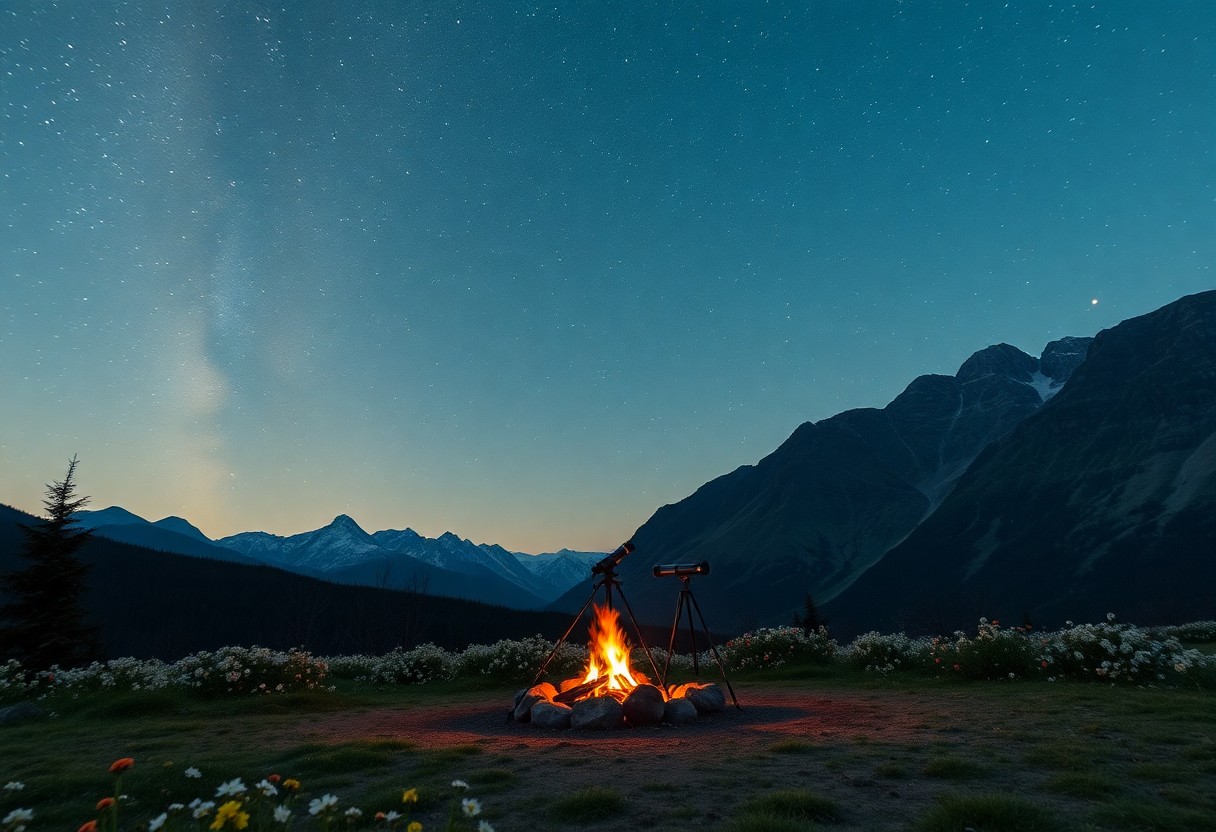
There’s a world of wonder awaiting outdoor enthusiasts this spring, with breathtaking stargazing opportunities across the U.S. He, she, or they can explore Utah’s dark-sky parks and New Mexico’s remote deserts where clear nights and minimal light pollution provide stunning celestial views. With a 25% increase in astro-tourism, this list highlights the top ten places that promise unforgettable nights under the stars. Each location offers a unique experience that combines nature, adventure, and the magic of the cosmos.
Key Takeaways:
- Utah’s dark-sky parks and New Mexico’s remote deserts are highlighted as premier locations for stargazing, thanks to their minimal light pollution and clear night skies.
- The report notes a significant 25% increase in astro-tourism, indicating growing interest in celestial photography and nighttime outdoor experiences.
- These stargazing spots are ideal for outdoor enthusiasts looking to connect with nature while enjoying breathtaking views of stars, planets, and other celestial phenomena in spring 2025.
Utah’s Dark-Sky Parks
The state of Utah is renowned for its stunning dark-sky parks, where outdoor enthusiasts can revel in breathtaking celestial displays. With minimal light pollution and expansive views, these parks provide a perfect setting for stargazers seeking an immersive experience in the universe. Locations like Bryce Canyon and Arches National Park not only attract visitors seeking adventure but also those eager to witness the beauty of the cosmos, amplifying the allure of Utah’s natural landscapes.
Stunning night skies
Assuming clear weather, stargazers in Utah’s dark-sky parks are treated to stunning night skies teeming with constellations, meteor showers, and the Milky Way’s brilliant core. These parks often host organized events and educational programs aimed at enhancing their visitors’ appreciation of the cosmos. She finds that the level of detail visible in the night sky here surpasses many other locations, enriching the stargazing experience significantly.
Excellent visibility
Excellent visibility in Utah’s dark-sky parks is attributed to their remote locations and stringent light pollution regulations. Visitors benefit from the absence of city lights, allowing for an unobstructed view of heavenly bodies. This combination ensures that he or she can observe even the faintest stars and celestial phenomena, making for a memorable outing.
With vast expanses of unadulterated wilderness and a commitment to preserving the night sky, Utah’s dark-sky parks offer unmatched visibility for stargazers. Those who venture here can expect exceptional clarity, with many nights presenting ideal conditions for observing planets, star clusters, and other astronomical wonders. This remarkable combination of geography and regulation positions Utah as a leading destination for those who seek to immerse themselves in the beauty of the cosmos.
Big Bend National Park
Some outdoor enthusiasts consider Big Bend National Park one of the premier stargazing locations in the U.S. Nestled in the remote landscapes of West Texas, it boasts vast expanses of sky and breathtaking natural beauty, making it a perfect destination for anyone looking to connect with the cosmos.
Remote Desert Location
An ideal choice for stargazers, Big Bend is a remote desert location that provides an unparalleled natural environment. Its isolation from urban centers ensures that visitors can experience the beauty of the night sky away from the distraction of city lights, giving them a true sense of tranquility.
Minimal Light Pollution
Desert surroundings play a significant role in making Big Bend an astronomical haven. The park’s location features some of the darkest skies in the continental United States, allowing stargazers to witness celestial wonders like the Milky Way with unprecedented clarity. Efforts to preserve the park’s dark skies contribute to the minimal light pollution, ensuring an authentic stargazing experience. Visitors frequently describe the night sky here as a mesmerizing tapestry filled with countless stars and constellations, creating a profound connection between them and the universe.
Cherry Springs State Park
After exploring the vast array of stargazing locations, Cherry Springs State Park emerges as a top contender for spring 2025. Renowned for its exceptional dark skies, this park is a haven for astronomy lovers seeking breathtaking celestial views. For those interested in the best places to stargaze worldwide, they can also check out the 10 Best Places to Stargaze Around the World.
Award-winning stargazing
Park visitors often rave about the Superb night sky visibility, earning it accolades as one of the nation’s premier stargazing spots. With minimal light pollution, it provides an optimal setting for observing constellations, meteor showers, and more.
Well-equipped facilities
There’s a range of amenities designed to enhance the stargazing experience at Cherry Springs State Park. From designated astronomy viewing fields to restrooms and picnic areas, the park ensures a comfortable visit for all.
With ample parking and facilities available year-round, Cherry Springs caters to both seasoned astronomers and novice stargazers alike. He, she, or they can utilize the comfortable observation areas, enhancing their experience under the magnificent night sky. Whether attending a scheduled star party or exploring solo, visitors will find everything they need for a memorable adventure.
Joshua Tree National Park
For outdoor enthusiasts seeking breathtaking night skies, Joshua Tree National Park offers some of the best stargazing opportunities in spring 2025. With its remote location and minimal light pollution, visitors can marvel at a dazzling array of stars, planets, and celestial events. The park’s expansive landscapes provide a sensory escape, drawing astro-tourists from afar eager to experience its nighttime beauty.
Unique Rock Formations
Rock formations in Joshua Tree are nothing short of iconic, with boulder-strewn landscapes providing a dramatic backdrop for stargazing. These natural sculptures, shaped by millions of years of erosion, create an otherworldly atmosphere that enhances the night sky experience. Photographers and nature lovers alike find inspiration among the diverse formations, making this park a must-visit for a memorable celestial adventure.
Abundant Hiking Trails
Park enthusiasts will appreciate the abundant hiking trails that wind through Joshua Tree, offering access to stunning vistas and unique geological features. With a variety of trails suited for different skill levels, participants can explore hidden gems while enjoying the serene desert landscape. Whether facing challenging routes or leisurely strolls, hiking here allows visitors to connect with nature before settling in for an evening of stargazing under the expansive night sky.
With numerous options to choose from, hikers can launch on challenging pathways like the Ryan Mountain Trail, which rewards those who ascend with breathtaking panoramic views. For those preferring a gentler experience, the Hidden Valley Trail offers easily accessible routes through stunning scenery. Visitors should plan for sharp temperature drops at night and remain hydrated throughout their hikes, as conditions can vary significantly. Planning ahead can ensure a safe and enjoyable experience while providing the perfect opportunity to witness the park’s extraordinary night sky.
New Mexico’s Cosmic Campground
Many outdoor enthusiasts flock to New Mexico’s Cosmic Campground for an unparalleled stargazing experience. This designated dark sky sanctuary, located in the Gila National Forest, offers breathtaking views of the Milky Way and other celestial wonders. The campground’s remote location ensures minimal light pollution, making it a perfect spot for both amateur and seasoned astronomers to bask in the beauty of the night sky.
Designated Dark Sky
Mexicos Dark Sky status highlights its commitment to preserving pristine night skies. With limited artificial light, stargazers can enjoy clear views of constellations, meteor showers, and other astronomical phenomena, making it a premier destination for cosmic exploration.
Astro-friendly Amenities
For those looking to enhance their stargazing experience, Cosmic Campground provides astro-friendly amenities that cater to visitors’ needs. These include sheltered observation areas, educational programs, and clean restroom facilities, ensuring a comfortable experience under the stars.
With designated sheltered observation areas, outdoor enthusiasts can set up their telescopes and enjoy the view without interruptions from the elements. Educational programs offer insights into celestial events and local astronomy, providing visitors with a deeper understanding of the universe above them. Furthermore, well-maintained restroom facilities ensure that guests have access to important services during their visit, making the experience as enjoyable as possible while they marvel at the night sky.
Kitt Peak National Observatory
Once again, Kitt Peak National Observatory stands out as a premier destination for spring stargazing enthusiasts. Located in Arizona, this observatory offers stunning views of the night sky, leveraging its position atop one of the highest points of the Sonoran Desert. Visitors are treated to breathtaking vistas, with the ability to observe celestial wonders under some of the darkest skies in the United States, making it a must-visit for any astronomy lover.
Extensive Telescope Access
An array of telescopes awaits visitors at Kitt Peak, providing unparalleled access to astronomical instruments. He, she, or they can explore various telescopes, from large research-grade models to smaller, public-friendly options. This extensive setup allows avid stargazers to indulge their passion, capturing the beauty of distant galaxies and nebulae.
Guided Night Programs
You will find that Kitt Peak offers exceptional guided night programs, designed to enhance the stargazing experience. These programs, led by knowledgeable staff, help attendees connect with the night sky, allowing them to observe and learn about celestial phenomena.
With interactive presentations and expert guidance, participants in these programs gain valuable insights into the universe. They witness astounding celestial events through telescopes and learn about the science behind the stars. Ideal for both beginners and seasoned astronomers, the engaging format encourages questions, fostering a deeper appreciation for astronomy and the night sky. Attendees are sure to leave with newfound knowledge and unforgettable memories.
Glacier National Park
Despite its rugged terrain and challenging weather conditions, Glacier National Park offers exceptional stargazing opportunities for outdoor enthusiasts. With its high altitude and minimal light pollution, the park provides a breathtaking canvas for viewing celestial wonders. Visitors can enjoy clear skies above expansive landscapes, making it an unforgettable destination for those looking to connect with the cosmos.
Majestic mountain backdrops
National park enthusiasts will find stunning mountain vistas that elevate their stargazing experience. The jagged peaks of Glacier create a dramatic backdrop against the star-filled sky, enhancing the beauty of the night. As visitors gaze upward, they are often treated to breathtaking views of constellations, planets, and even the Milky Way stretching across the heavens.
Scenic night hikes
Majestic hikes under the stars offer an incredible way to explore the park after dark. Many trails within Glacier National Park are accessible for night hikes, providing a unique opportunity to experience the wilderness illuminated by starlight. These hikes can be transformative, as they allow for solitude and reflection in nature’s embrace.
A guided night hike can lead she and her companions through the park’s breathtaking landscapes, where they can experience wildlife sounds and other nocturnal wonders. However, they should take precautions due to potential hazards, such as uneven terrain and sudden weather changes. Carrying flashlights and dressing in layers is vital, as temperatures can drop significantly at night. The breathtaking views and serene atmosphere make these hikes a rewarding way to engage with the natural world, but safety should always be a priority.
Acadia National Park
Unlike many other national parks, Acadia National Park offers a unique blend of stunning coastal landscapes and dark, pollution-free skies. Located in Maine, this beautiful park is renowned for its high elevation points, such as Cadillac Mountain, where stargazers can enjoy breathtaking views of the cosmos. The combination of rugged coastline and open vistas makes it an ideal destination for observing celestial wonders, such as meteor showers and distant galaxies, making it a must-visit for outdoor enthusiasts this spring.
Coastal Stargazing Experience
On clear nights, the coastal stargazing experience in Acadia National Park is unforgettable. The park’s proximity to the ocean enhances the ambiance as the waves crash softly against the rocks, creating a serene backdrop for celestial observation. Visitors are treated to a spectacular display of stars twinkling brightly against the night sky, making it a perfect setting for enjoying the beauty of the universe.
Low-Light Environments
While some locations experience overwhelming light pollution, Acadia National Park stands out for its low-light environments. These areas provide an opportunity for visitors to marvel at the night sky in vibrant detail, with minimal interference from artificial lights. The park’s commitment to preserving its natural darkness enhances the stargazing experience.
It’s vital for visitors to appreciate that these low-light environments are not just beneficial for stargazing but also play a vital role in local ecosystems. By maintaining dark skies, he or she supports the natural behaviors of nocturnal wildlife, including migratory birds and insects, which rely on natural light patterns. Stargazers can take comfort in knowing that their enjoyment of the night sky contributes positively to the preservation of these habitats, emphasizing the importance of environmental conservation in enhancing their outdoor experiences.
Mount Rainier National Park
Now a favorite for stargazers, Mount Rainier National Park offers an unparalleled opportunity to observe the cosmos. Surrounded by stunning landscapes and diverse ecosystems, visitors can enjoy the brilliance of stars in a remarkable setting. The park’s elevation and commitment to preserving dark skies make it an ideal destination for those seeking awe-inspiring views of the night sky.
Breathtaking Views
One of the most captivating aspects of Mount Rainier National Park is its breathtaking views. Stretching across 370 square miles, the park features dramatic peaks and lush meadows, presenting an extraordinary backdrop for stargazing. The park’s high vantage points allow guests to immerse themselves in the wonders of the Milky Way, far removed from urban light pollution.
Clear Mountain Air
Mount Rainier’s pristine environment is characterized by exceptionally clear mountain air. This remarkable clarity greatly enhances stargazing experiences, as she and he can marvel at celestial bodies without interference. The combination of altitude and low humidity creates optimal viewing conditions, making it a premier location for witnessing meteors and constellations.
Park officials emphasize that the low humidity and elevation contribute to the park’s exceptional air quality, allowing for high visibility on clear nights. Enthusiasts are treated to a stunning view of the expansive night sky, where the absence of light pollution reveals countless stars and celestial phenomena. Visitors are encouraged to come prepared, as the chilly mountain air can be a challenge, but the rewards of clear views are well worth the effort.
Death Valley National Park
Keep an eye on the sky when visiting Death Valley National Park, where the expansive desert landscape offers some of the darkest night skies in the U.S. With minimal light pollution, this park becomes a celestial haven for stargazers. Visitors can expect a breathtaking view of the cosmos, making it a top destination for those looking to connect with the universe while surrounded by the park’s dramatic scenery.
Vast desert expanse
You’ll find yourself surrounded by vast stretches of desert that create a unique atmosphere for stargazing. The park’s location, far from urban areas, guarantees a clear horizon that enhances the viewing experience. The combination of its arid climate and high elevation means fewer clouds, allowing for uninterrupted nights filled with starry wonders.
Incredible star clusters
Clearly, Death Valley is renowned for its dazzling star clusters and constellations that illuminate the night. As one of the darkest places in the continental United States, visitors can gaze upon the magnificent Milky Way and observe numerous celestial bodies.
You can spot prominent star clusters such as the Pleiades and Orion Nebula, making each visit an unforgettable experience. The sheer brightness of these clusters against the dark desert sky is a breathtaking sight. For photography enthusiasts, showcasing the night sky is an exhilarating challenge, with opportunities to capture stunning images of the celestial panorama. In this remote location, visitors must also be cautious of the desert conditions and come prepared for temperature fluctuations as they enjoy the spectacular night sky.
Conclusion
Conclusively, outdoor enthusiasts seeking breathtaking celestial views in spring 2025 will find their experiences enhanced by the unique offerings of the top 10 stargazing spots across the U.S. From the dark-sky parks of Utah to the remote deserts of New Mexico, each location provides optimal conditions for a memorable night under the stars. The remarkable increase in astro-tourism highlights the growing appreciation for these natural wonders, making stargazing an enriching experience for those who venture into these stunning landscapes.
FAQ
Q: What are the top spring stargazing locations in the U.S. for 2025?
A: For spring 2025, some of the best stargazing spots include Utah’s dark-sky parks, such as Antelope Island State Park and the Arches National Park, along with New Mexico’s remote deserts like the Gila National Forest and the Very Large Array Observatory. Other noteworthy locations are the national parks of Arizona and California, where clear skies and minimal light pollution create perfect conditions for viewing celestial events.
Q: Why are dark-sky parks significant for stargazing?
A: Dark-sky parks are designated areas that take measures to reduce light pollution, allowing for clearer night skies. These parks provide optimal stargazing conditions, making them ideal for viewing planets, stars, and other celestial phenomena. The reduction in artificial light enhances the visibility of faint astronomical objects, ensuring an exceptional experience for outdoor enthusiasts and astrophotographers alike.
Q: How can I prepare for a successful stargazing trip?
A: To ensure a great stargazing experience, it’s important to plan ahead. Bring imperative gear such as a telescope or binoculars, a star map or stargazing app for navigation, warm clothing, and snacks. Arriving early to settle in before nightfall can help you adjust to the darkness and enhance your viewing experience. Additionally, check weather forecasts for clear skies and avoid going during the full moon to maximize visibility of astrological features.