
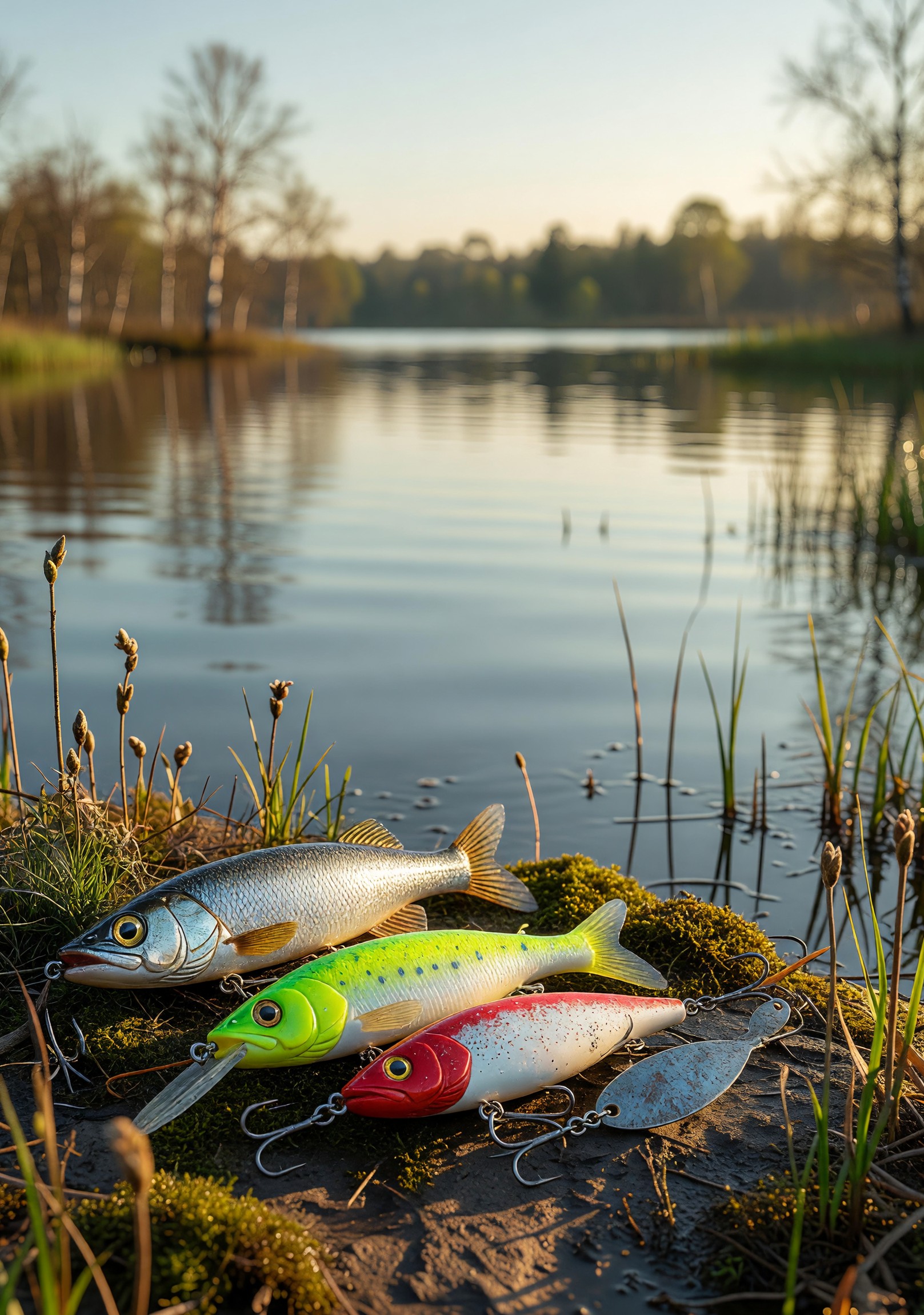
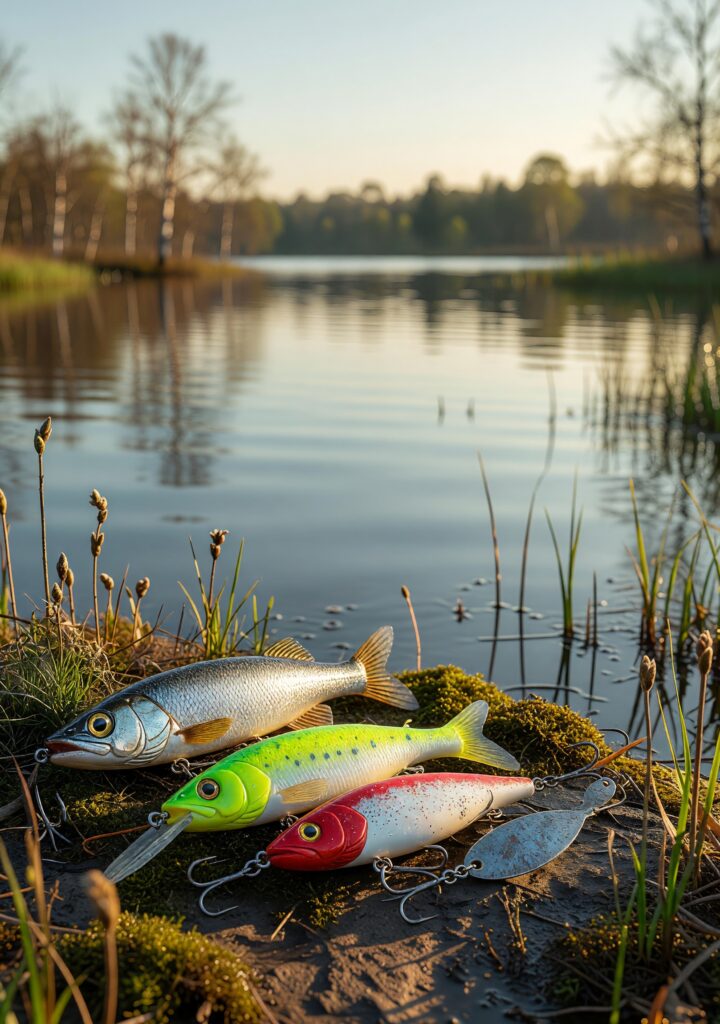
As the ice melts and rivers swell in spring, northern pike emerge from their winter lethargy, hungry and aggressive in the warming shallows. This season marks prime time for pike anglers, as these toothy predators spawn and feed voraciously, often in weedy bays and flooded backwaters. Targeting pike with the right baits isn’t just about landing trophy fish—it’s about connecting with nature’s raw energy, honing your skills, and creating memorable outdoor adventures. Spring pike fishing demands versatile lures that mimic injured baitfish or provoke reaction strikes, given the fish’s territorial behavior post-spawn. Whether you’re a seasoned pro or a weekend warrior, selecting the perfect bait can turn a slow day into a haul of 30-inch beasts. In this guide, we’ll explore the top 10 spring pike baits, complete with tips on presentation, colors, and when to deploy them. Remember, success hinges on understanding local regulations—check for spawn closures and obtain necessary permits to ensure sustainable fishing. With water temperatures climbing from the 40s to the 50s°F, these baits excel in clear to stained waters across northern lakes, rivers like the St. Lawrence, or Midwestern reservoirs. Gear up with heavy rods (7-8 feet, medium-heavy action), 50-65 lb braided line, and steel leaders to handle those razor-sharp teeth. Embrace the thrill of spring pike angling, where every cast could hook a legend.
Top 10 Spring Pike Baits
#1 Dardevle Spoon
The classic Dardevle Spoon, with its wobbling action and flashy red-white finish, is a spring pike staple for covering water quickly in shallow bays. Cast it on a 1/2 to 3/4 oz model and retrieve steadily to imitate fleeing perch—pike can’t resist the vibration. Ideal for early spring when water is 45-50°F, target weedy edges in lakes like those in Minnesota.
Tip: Use a snap swivel to prevent line twist, and vary retrieve speed to trigger follows into strikes. In stained water, opt for brighter colors like chartreuse.
#2 Rapala Husky Jerk
This suspending jerkbait excels in cool spring waters, darting erratically to mimic dying minnows. The 4-6 inch sizes in natural patterns like silver or perch draw pike from cover. Twitch and pause in 3-6 feet of water during pre-spawn, especially in rivers with current.
For best results, pair with a slow-rolling retrieve in 50°F temps. Avoid heavy weeds to prevent snags; it’s perfect for clear-water spots in the Great Lakes region.
#3 Mepps Musky Killer Spinner
A oversized spinnerbait like the Mepps Musky Killer (size 4-5) creates flash and thump, ideal for murky spring floods. The large blades and bucktail provoke aggressive strikes from post-spawn pike lurking in 2-4 feet of grass.
Retrieve steadily with occasional lifts in areas like Wisconsin’s Fox River. Use black or white skirts for low-light mornings; always check local bag limits to promote healthy populations.
#4 Zoom Super Fluke
This soft plastic twitchbait, rigged weedless on a 4/0 hook, glides through emergent vegetation that pike favor in spring. The 5-inch fluke in white or chartreuse imitates shad, perfect for slow retrieves in shallow coves.
Target 45-55°F water in southern reservoirs; add a trailer for extra action. It’s forgiving for beginners but deadly when hopped along the bottom—wear polarized glasses for spotting follows.
#5 Rat-L-Trap Lipless Crankbait
The vibrating Rat-L-Trap (1/2 oz) rips through water with tight wobbles, calling pike from afar in open shallows. Firetiger or chrome finishes shine in spring’s variable light.
Yo-yo it over submerged grass during spawn recovery, around 50°F in places like Lake of the Woods. Safety note: Use barbless hooks to release undersized fish quickly, minimizing stress.
#6 Bucktail Jig
A 1/2-1 oz bucktail jig in white or yellow hair flutters naturally on the fall, enticing pike in current-swept areas. Vertical jig from a boat in rivers like the Rainy River during early spring.
Combine with a soft plastic trailer for bulk; effective in 40-50°F. Watch for snags in rocky bottoms—essential gear includes a landing net to avoid line breaks.
#7 Large Swimbait
7-9 inch swimbaits like the Storm Wildeye Swim Shad paddle enticingly, mimicking large forage fish that spring pike target. Slow-roll in 4-7 feet near spawning beds.
Best in clearer northern waters around 55°F; use EWG hooks for weedless entry. This bait shines for trophy hunts—plan trips with a buddy for safety in remote spots.
#8 Topwater Frog
Surface frogs like the Live Target Hollow Body provoke explosive topwater strikes from pike patrolling lily pads in warming shallows. Walk it with twitches in 50-60°F temps.
Focus on flooded marshes in the Midwest; black or natural colors work well. It’s thrilling but requires stout tackle—check weather for sudden spring storms.
#9 Spinnerbait
A 1/2-3/4 oz willow/Colorado blade spinnerbait thumps through cover, drawing pike with vibration. White or chartreuse heads excel in dingy water post-rain.
Retrieve over weedlines in lakes like Mille Lacs; ideal for windy spring days. Vary speed to match pike mood—always carry pliers for hook removal.
#10 Live Minnows
Nothing beats live 4-6 inch shiners or suckers hooked through the lips for natural presentation. Drift them under a bobber or troll slowly in shallow bays during spawn.
Legal in many areas but verify baitfish regs; use in 45-55°F rivers. Quick strikes demand fast hooksets—prioritize catch-and-release for sustainability.
Key Takeaways
- Always wear a life jacket when fishing from boats, especially in fluctuating spring waters.
- Check local fishing permits and adhere to size/bag limits to protect pike populations.
- Opt for 50-80 lb test braided line with 12-18 inch steel leaders to handle pike’s teeth.
- Monitor water temps with a thermometer—most baits shine between 45-60°F.
- Pack rain gear and insect repellent for unpredictable spring conditions.
- Use barbless hooks for easier releases, promoting ethical angling.
- Plan trips during legal hours and inform someone of your location for safety.
How to Get Started
To dive into spring pike fishing, start by scouting local waters via apps like Fishbrain or state DNR sites for hotspots and regulations. Invest in a versatile 7-foot rod, reel spooled with braid, and a tackle box stocked with the top baits above—budget $200-300 for essentials. Join a local angling club for guided tips or head to accessible spots like public lakes with shore access. Practice casts in your yard to master retrieves, and time your outings for dawn or dusk when pike are most active. Book a charter if new to the area, ensuring all gear is checked for functionality. With preparation, your first spring pike adventure could yield unforgettable action—tight lines!