
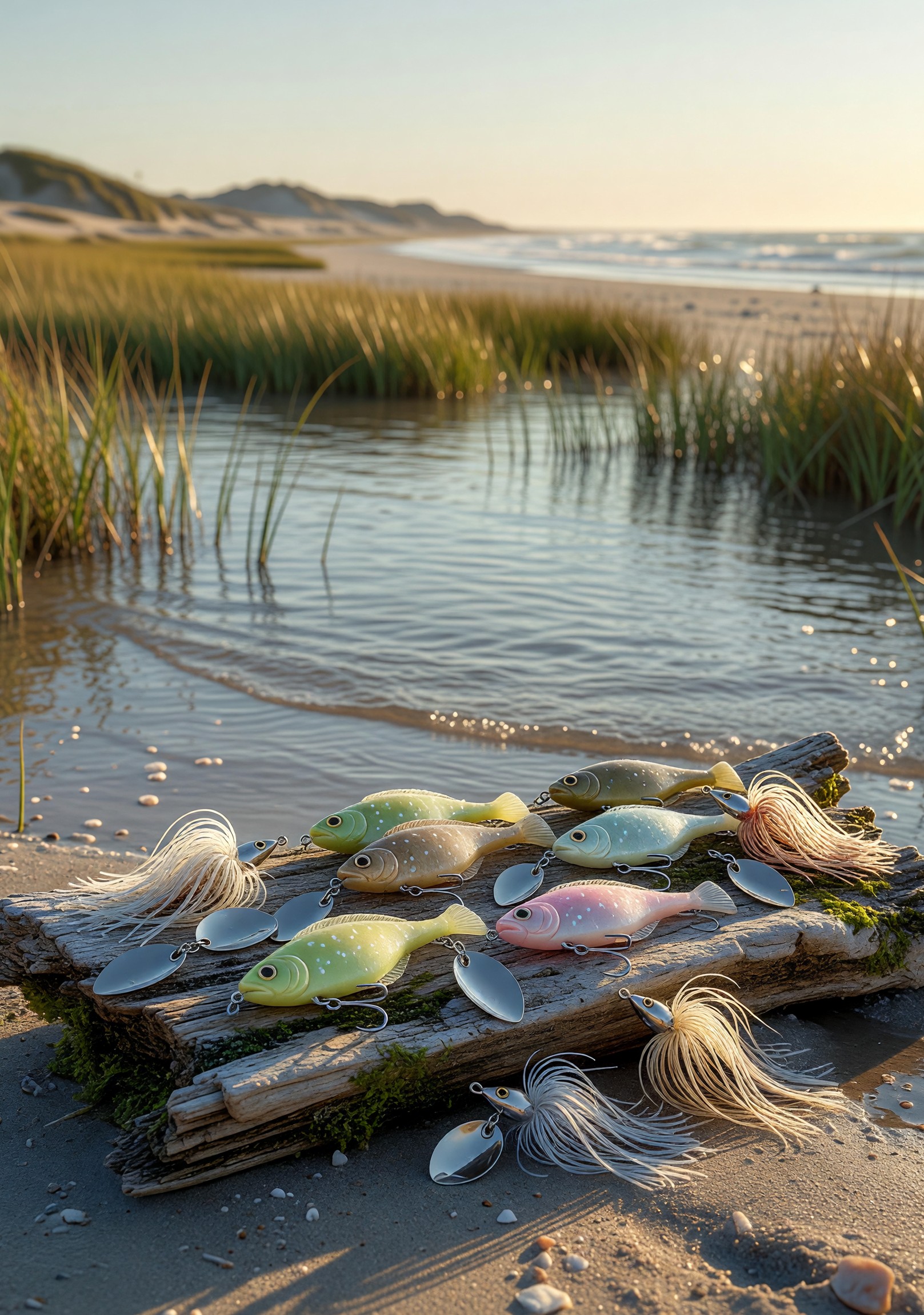
As spring blooms across coastal regions, flounder fishing emerges as one of the most rewarding pursuits for outdoor enthusiasts. These flatfish, known for their subtle strikes and challenging fights, migrate into shallower bays, estuaries, and inlets during this season, making them prime targets for lure anglers. Why does spring matter? Warmer waters stir flounder from deeper winter haunts, drawing them closer to shore where they ambush prey like shrimp, minnows, and crabs. For anglers, this means accessible action without needing heavy offshore gear—perfect for a day trip with family or friends.
Using lures in spring amplifies the thrill: they mimic natural forage, allowing precise presentations in murky or clear waters. Whether you’re a novice casting from a pier or a seasoned pro wading the flats, the right lure can turn a slow day into a limit catch. This listicle dives into the top 10 spring flounder lures, selected for their proven effectiveness, versatility, and ease of use. We’ll cover specifics like colors, sizes, and techniques, plus tips for locations from the Gulf Coast to the Atlantic seaboard. Remember, success hinges on stealthy retrieves and understanding tidal flows—flounder love the ambush. Gear up responsibly: check local regulations for bag limits and seasons, as many states require saltwater licenses. With rising water temps around 55-65°F, now’s the time to hit the water and connect with nature’s subtle predators.
Top 10 Spring Flounder Lures
#1 Bucktail Jig
The bucktail jig reigns supreme for spring flounder due to its versatile profile that imitates small baitfish or shrimp. Opt for 1/4 to 1/2 oz sizes in white, chartreuse, or pink—colors that pop in the greenish spring waters of estuaries like those in Texas or North Carolina. Tie on a 2/0 hook and add a soft plastic trailer for extra action.
Retrieve with slow twitches near the bottom, pausing to let it flutter—flounder often strike on the fall. Ideal for inshore bays during incoming tides, when flounder stage near grass beds. Pro tip: In murkier Gulf waters, glow-in-the-dark versions excel after dark for night fishing.
#2 Soft Plastic Grub
Soft plastic grubs, like those from Zoom or Berkley, offer a subtle wiggle that drives spring flounder wild. Choose 3-4 inch models in natural shades such as pearl or smoke for clear Atlantic waters, or brighter greens for muddy southern bays. Rig them weedless on a jighead to navigate structure.
Work them with a steady retrieve interspersed with lifts to mimic fleeing prey—perfect for the post-spawn period in May when flounder feed aggressively. Target shallow flats in places like Florida’s Indian Lagoon; always watch for red tide alerts.
Durability is key; these lures withstand multiple strikes, making them budget-friendly for extended outings.
#3 Gulp! Swimming Mullet
Berkley’s Gulp! Swimming Mullet stands out for its scent-infused formula, which disperses attractants in spring’s variable salinities. Select 4-inch versions in new penny or white for mimicking mullet schools in Virginia’s Chesapeake Bay or Louisiana marshes.
Rig on a 1/8 oz jighead and swim it mid-water column with a steady retrieve—flounder can’t resist the tail kick. Best during outgoing tides when bait is flushed from creeks. Safety note: Wear polarized sunglasses to spot flounder in shallows and avoid snags.
#4 DOA Shrimp
The DOA Shrimp lure excels in spring for its realistic shrimp imitation, crucial as flounder key on crustaceans post-winter. Go for 3-inch clear or glow models, rigged on a lightweight jig for finesse presentations in South Carolina’s Lowcountry.
Twitch and pause near oyster beds or docks— the curly tail creates vibration that triggers strikes. Effective in 2-6 feet of water during early morning feeds. Pair with braided line for sensitivity in weedy areas.
For beginners, this lure’s forgiveness on retrieves makes it a top pick.
#5 Berkley Gulp! Sandworm
Gulp! Sandworm’s wriggling body and potent scent make it a flounder magnet in spring’s sandy bottoms. Use 4-6 inch pieces in bloodworm red or natural worm tones for New Jersey inlets or Delaware Bay.
Texas-rig or on a circle hook for live-bait feel; bounce along the bottom with rod tip lifts. Prime in April when flounder migrate north. Check for horseshoe crab spawns, which boost activity but require eco-conscious angling.
#6 Twitching Jig
Twitching jigs, often with feather or silicone skirts, provide erratic action for wary spring flounder. 1/4 oz in yellow or black works well in Tampa Bay or Mobile Bay during spawning runs.
Employ short, sharp twitches followed by long pauses—mimics injured prey. Great for deeper channels (8-12 feet) on falling tides. Use fluorocarbon leader to reduce visibility in clear spring waters.
Versatile for both boat and shore fishing.
#7 Johnson Silver Minnow Spoon
The classic Johnson Silver Minnow spoon flashes enticingly for active spring flounder chasing schools. 1/2 oz gold or silver for open water in the Carolinas, where it wobbles side-to-side.
Cast and let it sink, then reel steadily with occasional jerks. Targets flounder in 5-10 feet near drop-offs. Windy days enhance its flutter; always secure spoons to prevent line twists.
#8 Flounder Fan Jig
Designed specifically for flounder, the Fan Jig’s broad skirt fans out to imitate crabs or worms. 3/8 oz in chartreuse for Gulf spots like Galveston during May migrations.
Hop it bottom-style along mud flats— the fan creates a disturbance flounder love. Ideal for sight-fishing in skinny water; wear waders and watch for stingrays.
Customizable with added trailers for personalization.
#9 Curly Tail Grub
Curly tail grubs from brands like Big Bite Baits deliver vibration through their spiraling tails. 3-inch in motor oil or watermelon for brackish spring marshes in Mississippi.
Slow-roll over grass edges; the curl imparts lifelike movement. Best at dawn or dusk when flounder prowl shallows. Eco-tip: Use biodegradable versions to minimize litter.
#10 Paddle Tail Swimbait
Paddle tail swimbaits, such as Storm’s Wildeye, swim naturally for spring’s baitfish bonanza. 4-inch in shad patterns for Chesapeake or Texas coastlines.
Retrieve at medium speed to activate the paddle thump—irresistible in currents. Suited for trolling or casting in 4-8 feet. Maintain gear with regular hook sharpening for solid hooksets.
Key Takeaways
- Always check local fishing regulations and obtain a saltwater license before heading out—spring seasons vary by state.
- Prioritize safety with life jackets on boats and awareness of tidal changes to avoid being stranded.
- Select lures based on water clarity: brighter colors for murky conditions, naturals for clear spring waters.
- Pack essentials like pliers, sunscreen, and a first-aid kit; flounder have sharp teeth that can cause cuts.
- Plan trips around new or full moons for stronger tides that concentrate flounder in feeding zones.
- Practice catch-and-release for sustainability—use barbless hooks and wet hands when handling fish.
- Invest in quality rods (7-8 ft medium-light) and reels spooled with 10-15 lb test for optimal lure control.
How to Get Started
To dive into spring flounder lure fishing, start by assessing your local waters—scout reports from apps like Fishbrain for hot spots. Assemble a basic kit: a versatile spinning combo, assortment of jigheads (1/8-1/2 oz), and the top lures from this list. Head to a nearby pier or flat at dawn, focusing on structure like rocks or grass. Begin with simple retrieves: cast, let sink, and twitch gently. Join a local fishing club for guided tips, and log your catches to refine techniques. With patience and practice, you’ll hook into the spring flounder frenzy—book a charter if solo trips feel daunting. Stay ethical, respect the environment, and enjoy the quiet thrill of the chase.