
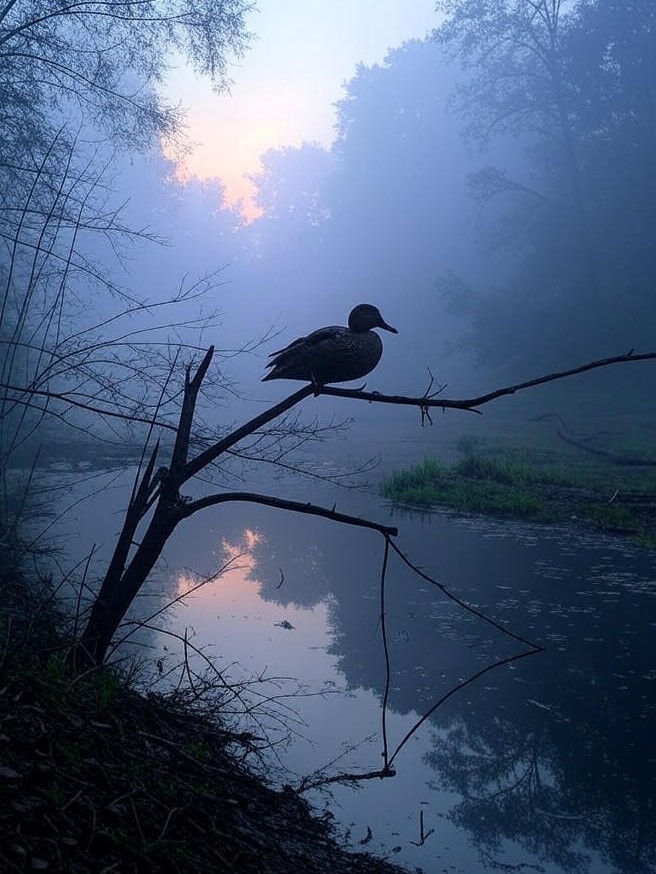
As the leaves turn crimson and the air grows crisp, duck hunting takes on a spine-tingling allure that’s perfect for outdoor enthusiasts seeking more than just a bag limit. ‘Spooky Duck Hunting Tips’ blend the timeless thrill of pursuing waterfowl with the eerie ambiance of fall’s shortening days, foggy dawns, and whispering winds through marsh reeds. This isn’t about ghosts and goblins in the literal sense, but capturing that haunting magic of hunting in conditions that feel otherworldly—think low-visibility hunts at first light or navigating mist-shrouded wetlands under a harvest moon. For seasoned hunters, these tips elevate the pursuit into an immersive adventure that sharpens senses and deepens appreciation for nature’s wild side. Newcomers will find them invaluable for building confidence in unpredictable environments.
Why does this matter? Duck hunting already demands respect for the elements, but adding a ‘spooky’ twist encourages safer, more mindful practices amid reduced visibility and cooler temps. It promotes ethical hunting, where the chill of autumn heightens awareness of wildlife patterns and personal limits. Whether you’re in the flooded timber of Arkansas or the coastal bays of Louisiana, these strategies ensure memorable outings without the real scares. With proper preparation, including permits and gear checks, you can turn potential hazards into exhilarating tales around the campfire. Embrace the shadows of the season to connect deeper with the outdoors, all while prioritizing conservation and camaraderie among fellow hunters.
Top 10 Spooky Duck Hunting Tips
#1 Master the Misty Dawn Approach
Nothing sets a spooky tone like slipping into position before sunrise in thick fog, where visibility drops to mere feet and ducks circle like phantoms. Start by scouting wetlands the evening before to mark safe entry points, using GPS apps to avoid getting turned around in the haze. In regions like the Mississippi Flyway during October’s early season, this low-light tactic mimics natural duck roosting behavior, drawing flocks closer to your blind.
Key gear includes a waterproof headlamp with red filter to preserve night vision and not spook birds. Move slowly, pausing every 10 yards to listen for wingbeats—fog amplifies sounds, turning the hunt into an auditory adventure. Always carry a whistle for signaling partners, as cell service can falter in remote areas.
#2 Deploy Phantom Decoys in Shadowy Waters
Enhance the eerie vibe with decoy spreads that blend into twilight murk, using motion decoys like jerk strings to create rippling illusions that lure ducks from afar. Ideal for haunted-feeling flooded fields in the Great Lakes region come November, position 6-12 decoys in a loose J-formation, spacing them 10-15 feet apart to simulate a resting flock undisturbed by ‘ghostly’ intruders.
Opt for full-body decoys in muted grays and blacks for low-contrast camouflage against overcast skies. Test spreads pre-season to ensure stability in wind, preventing unnatural bobbing that could alert wary birds. This setup not only boosts success rates but adds to the atmospheric thrill of watching silhouettes drop from the gloom.
#3 Navigate Eerie Marsh Labyrinths
Twisting through fog-laden cattails feels like entering a labyrinth of whispers, but preparation turns peril into precision. In coastal marshes of the Atlantic Flyway during late fall, use topographic maps and compass readings to plot routes, avoiding deeper channels where currents can surprise. Wear hip waders rated for cold water and attach a float to your gun for safety.
Practice ‘quiet stalking’ by distributing weight evenly to minimize splashes, and always hunt with a buddy for mutual spotting of hazards like hidden stumps. This tip respects the marsh’s moody personality while ensuring you reach prime spots without incident.
Local regulations often require permits for public lands—check state wildlife agencies for access details, especially in spooky-season high-traffic areas.
#4 Set Up the Witching Hour Blind
As dusk fades to night, transform a simple blind into a fortress against the encroaching dark. For moonlit hunts in prairie potholes of the Dakotas in early winter, build with natural materials like willow branches for seamless integration, adding a mesh screen to peer through without detection.
Incorporate LED stake lights on low for internal visibility, but cover them during approaches to maintain stealth. Comfort is key in chilling temps—layer with synthetic base, insulating mid-layers, and a waterproof shell, plus hand warmers to combat the supernatural chill. This setup allows extended sits, capitalizing on nocturnal duck movements.
#5 Harness Spectral Camouflage
Blend into the landscape like a shadow with patterns that defy the dim light, essential for spooky overcast days. In timbered swamps of the Southeast during migration peaks, choose camo suits with high-contrast breaks for breaking up your outline against bare trees and water.
Face paint or masks prevent shine from skin, and apply mud or ash to exposed gear for matte finishes. Test in varied lighting pre-hunt; this not only evades ducks but heightens the immersive, ghostly experience of becoming one with the environment.
Safety note: Ensure camo doesn’t hinder visibility of fellow hunters—use vests with blaze orange accents for group hunts.
#6 Predict Ghostly Weather Shifts
Fall fronts bring sudden squalls that amp up the drama, so forecast like a seer to time your hunts. Monitor apps for barometric drops signaling incoming ducks, particularly in the Pacific Flyway’s November storms where cold snaps push birds south.
Pack rain gear and a tarp for impromptu shelter, and know when to bail—lightning in open marshes is a real haunt to avoid. This proactive approach maximizes opportunities while minimizing exposure to nature’s mood swings.
#7 Train a Spectral Retriever
Your dog becomes a four-legged phantom guide in low visibility, retrieving downed birds without a trace. For breeds like Labs in foggy Midwest hunts, start obedience training early, using bumpers in dim conditions to build confidence.
Equip with a glow collar for night tracking and a neoprene vest for warmth. Reward calm demeanor around decoys to prevent spooking flocks. A well-trained retriever not only boosts efficiency but adds a loyal companion to the eerie solitude.
Remember vaccinations and check for ticks in leaf-littered spooky spots.
#8 Scout Spooky Season Hotspots
Pre-hunt reconnaissance uncovers hidden gems shrouded in autumn mist. In California’s Central Valley during waterfowl season opener, drive or boat perimeters at twilight, noting duck concentrations without disturbing them.
Use trail cams for nocturnal insights, respecting no-trespass zones. This intel refines decoy placement and blind sites, turning potential duds into thrilling successes amid the season’s spectral allure.
#9 Observe Bewitched Ethics and Limits
In the haunting quiet, ethics shine—know your bag and possession limits to sustain populations. Federal stamps plus state licenses are mandatory; for example, in Texas refuges, daily limits cap at six ducks with species restrictions.
Practice fair chase by passing up long shots in poor light, preserving the hunt’s integrity. This mindful approach ensures future spooky adventures for all enthusiasts.
#10 Debrief in the After-Dark Glow
Post-hunt, gather around a lantern to recount the day’s chills and thrills, solidifying lessons learned. In campgrounds near hunting grounds like those in Missouri’s bootheel, review shots, weather impacts, and gear performance.
Clean equipment immediately to prevent rust from damp conditions, and log notes for next time. This ritual fosters community and safety awareness, turning every outing into a chapter of outdoor lore.
Key Takeaways
- Always secure hunting licenses, stamps, and permits; check local regulations for seasonal spooky hunts to avoid fines.
- Prioritize low-light safety with red lights, vests, and buddy systems to prevent accidents in fog or dusk.
- Layer clothing for variable fall temps, including waterproof gear and flotation devices for water access.
- Scout locations in advance using maps and apps to navigate marshes without disorientation.
- Train dogs and maintain equipment pre-season for reliable performance in eerie conditions.
- Respect bag limits and ethical practices to conserve duck populations for sustainable adventures.
- Monitor weather closely and have an exit plan for sudden shifts in spooky atmospheric conditions.
How to Get Started
Dive into spooky duck hunting by assessing your local flyway and season dates via the U.S. Fish and Wildlife Service website. Join a hunting club or forum for mentorship, and invest in basics like a reliable shotgun, decoys, and calls—budget $500-1,000 for starters. Attend a waterfowl workshop or guided hunt to learn hands-on. Plan your first outing for a calm fall weekend, packing a safety kit with first aid, whistle, and emergency beacon. Track progress in a journal, and connect with conservation groups like Ducks Unlimited for tips and events. With patience and practice, you’ll soon be chasing ducks in the season’s haunting embrace.