
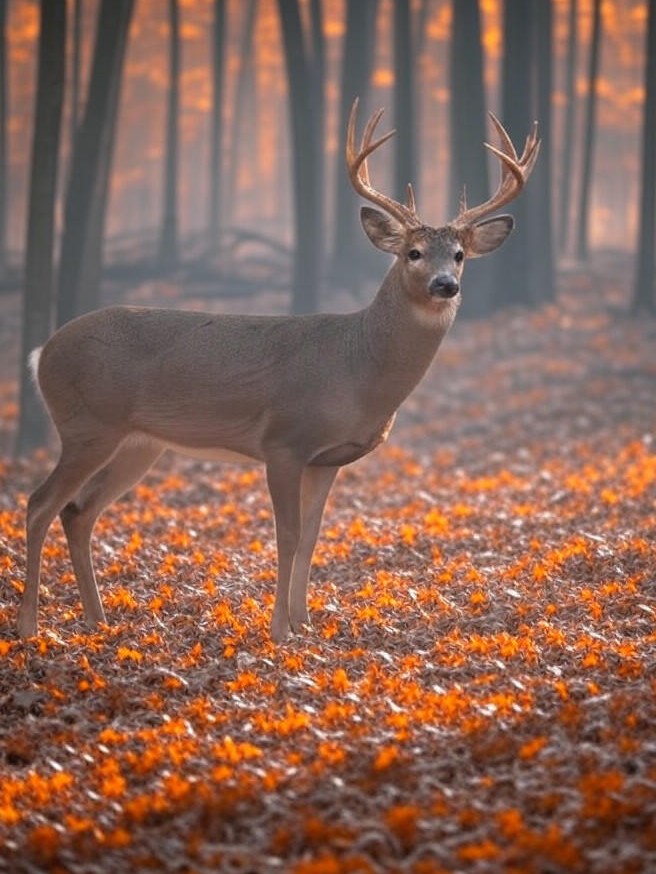
The rut, that magical time when whitetail deer go into full courtship mode, is every hunter’s dream season. It’s when bucks drop their guard, chasing does with reckless abandon, making them more predictable and easier to pattern. For outdoor enthusiasts, rut hunting isn’t just about filling a tag—it’s about immersing yourself in the raw pulse of nature, the crisp autumn air, and the thrill of outsmarting a wily trophy. But success demands more than luck; it requires strategy, patience, and respect for the wild. With deer activity peaking from mid-October to early December depending on your region, mastering rut hunting tips can elevate your experience from frustrating sits to unforgettable hunts. Whether you’re a seasoned whitetail chaser in the Midwest or a newcomer in the Northeast, these insights will help you navigate the chaos of rattling antlers and scraping rubs. Remember, ethical hunting ensures sustainable populations, so always prioritize shot placement and local regulations. Dive into our top 10 tips to gear up for the frenzy and make this rut your best yet.
Top 10 Rut Hunting Tips
#1 Scout Early for Rubs and Scrapes
Before the season hits, hit the woods to identify fresh rubs on trees and scrapes on the ground—these are buck signposts during the pre-rut phase. Focus on edges of fields and funnels between bedding areas. In the Midwest, like Iowa or Illinois, rubs often appear in early October along oak ridges. Use trail cameras to monitor activity without disturbing the area.
Scouting pays off by letting you set up stands in high-traffic zones. Mark GPS waypoints for scrapes, which bucks revisit to leave scent. This tip alone can double your odds by positioning you where the action unfolds.
#2 Master the Art of Calling
Grunts, bleats, and rattling antlers mimic deer communication to draw bucks in during peak rut. Start with soft grunts in the pre-rut to locate deer, then escalate to aggressive rattling in November when competition heats up. In Southern states like Georgia, where the rut peaks later, use calls sparingly to avoid spooking pressured deer.
Practice your calls at home for realism—overcalling can alert nearby hunters. Pair with a visual decoy for added realism, and always call from a stationary position to avoid detection.
#3 Hunt Bedding Areas at Dawn and Dusk
Bucks bed in thick cover during the day but move actively at first and last light. Set up 50-100 yards from known bedding thickets, using natural cover for concealment. In mountainous regions like Pennsylvania, target south-facing slopes where deer seek warmth.
Wind direction is crucial; approach from downwind to prevent busting the herd. This tip shines during the chasing phase when bucks follow does straight from bed.
#4 Use Decoys Strategically
A buck decoy with rattling horns or a doe estrous decoy can pull in curious or aggressive males. Place them in open fields or trails during midday hunts when bucks cruise for does. In the Great Plains, like Kansas, decoys work best in November under calm winds.
Keep decoys fresh and realistic; stake them securely to withstand gusts. This visual trigger often closes the deal on hesitant bucks within 100 yards.
#5 Prioritize Wind and Scent Control
Deer have noses like bloodhounds, so hunt with the wind in your face and use scent-eliminating sprays, suits, and storage bags. In humid areas like the Southeast, sweat amplifies odor—opt for activated carbon clothing.
Check daily wind patterns via apps like HuntStand. A single whiff can ruin a setup, so this foundational tip ensures you stay undetected throughout the rut.
#6 Focus on Funnels and Travel Corridors
Narrow bottlenecks like creek bottoms, ridges, or fence lines concentrate deer movement. Hang stands overlooking these chokepoints where bucks intercept does. In the Northeast, like New York, timbered funnels near agriculture are goldmines during mid-rut.
Observe terrain contours on topo maps to predict paths. This positioning maximizes encounters without endless trekking.
#7 Time Your Hunts for Peak Activity
The rut’s intensity varies: pre-rut in October builds patterns, seeking phase in early November sees cruising bucks, and lockdown follows breeding. Hunt all day during the peak week, as midday activity spikes.
In regions with later ruts, like Texas, extend into December. Track moon phases—full moons can shift nocturnal patterns, so adapt accordingly.
#8 Stay Mobile with Spot-and-Stalk
Don’t commit to one stand; use binoculars to glass fields and move to active areas. Portable blinds or climber stands allow quick relocation. In open Western states like Colorado (for mule deer analogs), spot-and-stalk thrives on the rut’s frenzy.
Minimize noise and scent trails when relocating. Mobility keeps you in the game when deer shift unpredictably.
#9 Read the Signs of Estrus Does
Locate hot does by their nervous behavior or followed trails—the bucks will come. Look for clusters of scrapes or chased tracks in November. In the Midwest, agricultural edges near bedding hold estrous does.
Ambush near doe groups at dawn. This tip leverages the rut’s biological drive for passive success.
#10 Practice Patience and Ethics
The rut tests endurance; long sits yield the biggest rewards, but wait for ethical shots under 40 yards. Know your limits and harvest responsibly to support herd health.
Post-hunt, field dress promptly and process meat. Patience turns average hunts into legendary tales.
Key Takeaways
- Always obtain proper hunting licenses and follow state-specific rut season dates to stay legal.
- Prioritize safety with blaze orange vests, tree stand harnesses, and a buddy system for remote areas.
- Invest in quality gear like scent-free clothing, calls, and trail cams for reliable performance.
- Plan hunts around weather—mild, overcast days boost activity over harsh fronts.
- Respect wildlife by avoiding overharvesting and reporting poachers to conservation officers.
- Prepare physically with hydration, snacks, and layered clothing for all-day comfort.
- Study local regulations on baiting or decoys to avoid fines.
How to Get Started
To kick off your rut hunting journey, begin by earning your hunter education certification if you’re new—online courses are available through state wildlife agencies. Research public lands via apps like onX Hunt for access points, and secure any required permits early, especially for private leases. Join local hunting clubs or forums for insider tips on regional hotspots. Invest in basics: a reliable bow or rifle, scent control kit, and stand. Start small with pre-season scouting trips to build confidence. Finally, track your hunts in a journal to refine strategies year after year. With preparation, your first rut could hook you for life—happy hunting!