
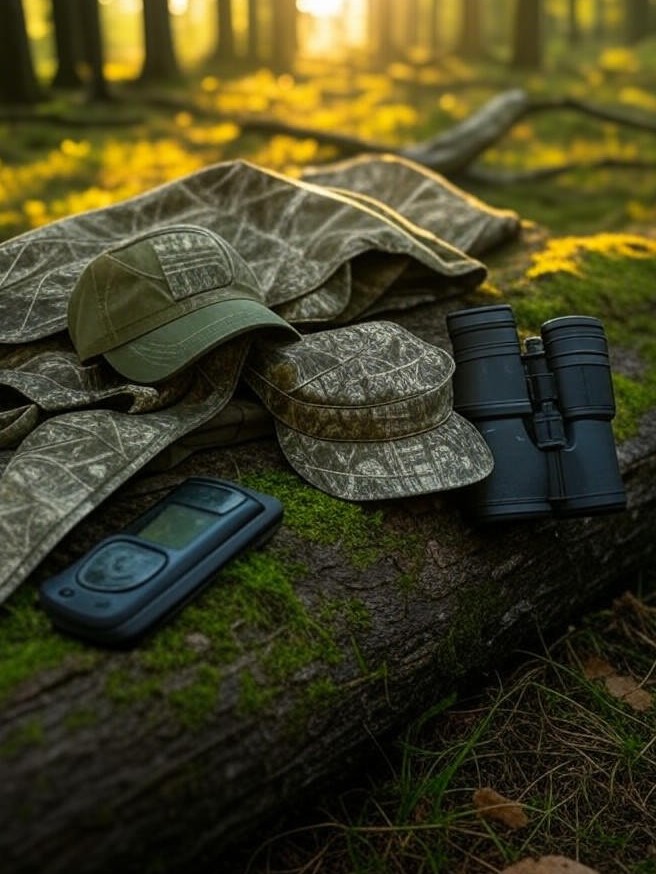
Rabbit hunting is a timeless outdoor pursuit that combines the thrill of the chase with the serenity of nature’s quieter corners. For enthusiasts, it’s not just about the harvest but the entire experience—from scouting brushy fields at dawn to sharing stories around the campfire. However, success and safety hinge on having the right gear. Rabbit hunting demands equipment that’s lightweight, durable, and suited to the unpredictable terrain of woodlands, meadows, and thickets where these quick cottontails thrive. Poor preparation can lead to discomfort, missed opportunities, or even accidents, especially in varying weather conditions common during fall and winter seasons.
Why does gear matter so much? Rabbits are elusive, relying on speed and cover, so hunters need tools that enhance stealth, visibility, and efficiency. From camouflage that blends you into the underbrush to boots that grip slick leaves, essentials protect against elements like cold snaps or thorny brambles. Moreover, regulations in many areas require specific items for ethical and legal hunting, such as hunter orange for visibility. Investing in quality gear not only boosts your success rate—potentially turning a single outing into a bounty—but also ensures a sustainable practice that respects wildlife populations. Whether you’re a novice flushing rabbits with a beagle or a seasoned wing-shooter, this top 10 list covers must-haves tailored for rabbit hunts across North America, emphasizing practicality for seasons from early autumn to late winter. Get geared up, check local permits, and embrace the adventure that keeps generations returning to the wild.
Top 10 Rabbit Hunting Gear Essentials
#1 Reliable Shotgun
A 20-gauge or 12-gauge pump-action shotgun is the cornerstone of rabbit hunting, offering quick follow-up shots for fast-moving targets. Opt for models like the Remington 870 or Mossberg 500, which are lightweight (under 7 pounds) and reliable in damp conditions. These gauges provide ample power without excessive recoil, ideal for dense cover where shots are often close-range, under 30 yards.
Always pattern your shotgun with rabbit-specific loads before heading out. In states like Texas or Pennsylvania, where rabbit seasons run October to February, a semi-automatic option can give an edge in high-volume hunts. Clean it after every use to prevent rust from morning dew.
#2 Appropriate Ammunition
Birdshot loads, such as 7.5 or 8 shot in 20-gauge shells, are essential for ethical kills without over-penetration that could harm unintended wildlife. Brands like Federal or Winchester offer affordable, high-velocity options that spread effectively for flushing rabbits from brush piles.
Carry at least 25 rounds per hunt, stored in waterproof cases to combat rain during wet seasons in the Midwest. Remember, ammo choice affects patterns—test at 20-40 yards to match your shotgun’s choke. Local regs may limit shot size, so verify before seasons open in areas like the Appalachian region.
#3 Camouflage Clothing Layers
Layered camo apparel in earth tones—base layer for wicking moisture, insulating mid-layer, and waterproof outer shell—keeps you stealthy and comfortable. Realtree or Mossy Oak patterns mimic woodland or field environments where rabbits hide, reducing detection from wary prey.
For hunts in cooler climates like New England winters, add fleece for warmth without bulk. Breathable fabrics prevent overheating during active pursuits, and scent-control treatments help in wind-scented areas. Pair with hunter orange for legal compliance in states requiring 400 square inches of visible safety gear.
#4 Waterproof Hunting Boots
Durable, insulated boots like the Irish Setter Vaprtrek or Danner Pronghorn provide traction on muddy trails and protection from thorns. With at least 400 grams of Thinsulate for cold-weather hunts, they keep feet dry during stream crossings common in rabbit habitats.
Break them in before long treks to avoid blisters on all-day scouts. In southern states during mild falls, lighter rubber boots suffice, but always check tread for grip on leaf-strewn slopes. Proper fit prevents fatigue, ensuring you can stalk quietly for hours.
#5 Hunting Gloves
Insulated, touchscreen-compatible gloves from Sitka or Under Armour offer dexterity for reloading while shielding hands from cold and briars. Rabbit hunting involves handling game and gear in chilly dawns, so choose synthetic leather palms for grip on slippery shells.
In arid Southwest hunts, opt for breathable mesh to avoid sweat buildup. They also reduce scent transfer to gear. For field dressing, select puncture-resistant pairs to handle sharp tools safely during post-hunt processing.
#6 Binoculars
Compact 8×42 binoculars, such as Nikon Prostaff or Vortex Diamondback, are crucial for spotting rabbits in thick cover from afar without alerting them. Waterproof and fog-proof models withstand dew or light rain prevalent in early morning hunts.
Use them to glass edges of fields or hedgerows, especially in open prairie states like Kansas. Lightweight designs (under 1.5 pounds) fit easily in a vest pocket, enhancing efficiency during scouting phases before seasons peak in November.
#7 Sharp Hunting Knife
A fixed-blade knife like the Buck 119 or Gerber Vital with a 4-inch drop-point blade excels for quick field dressing to preserve meat quality. Stainless steel resists rust in humid environments, and a rubber handle ensures a secure grip even when bloody.
Sharpen it regularly for clean cuts that minimize waste. In remote areas, carry a multi-tool backup for versatility. Ethical hunters prioritize sharp edges to reduce animal suffering, aligning with best practices in any hunting locale.
#8 Game Bag or Vest
A cotton or nylon game bag, like those from Hunter’s Specialties, keeps harvested rabbits cool and clean during transport. Vests with multiple pockets, such as the Badlands Phantom, organize ammo, calls, and snacks for hands-free mobility.
For multi-rabbit days in fertile Midwest farmlands, ventilated bags prevent spoilage in mild weather. Waterproof linings protect against bloodstains, and adjustable straps fit over bulky clothing layers for comfort on extended walks.
#9 First Aid Kit
A compact, weatherproof kit stocked with bandages, antiseptics, tweezers for thorns, and pain relievers is non-negotiable for handling scrapes from rugged terrain. Include blister treatments and snakebite protocols, relevant in southern rabbit grounds.
Tailor it to group size—add tourniquets for remote hunts. Check expiration dates seasonally, as fall foliage hides hazards like hidden stumps. Safety first ensures every outing ends with stories, not ER visits.
#10 Rabbit Calls
Handheld distress calls from Primos or custom wooden ones mimic rabbit cries to lure curious ones into range. Effective in open areas, they add excitement to still-hunting tactics without relying solely on dogs.
Practice tones to avoid spooking—short, panicked squeals work best in thickets. In regions like the Pacific Northwest with dense forests, combine with decoys for better results during quieter winter months.
Key Takeaways
- Always prioritize safety gear like hunter orange and first aid kits to comply with laws and prevent accidents in low-visibility conditions.
- Choose lightweight, multi-purpose items to avoid fatigue during long stalks in varied terrains from fields to forests.
- Check local regulations for permits, bag limits, and weapon restrictions before any rabbit hunt to ensure ethical practices.
- Layer clothing for fluctuating weather, focusing on moisture-wicking and camouflage to stay concealed and comfortable.
- Maintain gear post-hunt—clean firearms and sharpen knives to extend lifespan and readiness for next season.
- Scout habitats in advance; rabbits favor brushy edges, so plan routes around legal public lands or private permissions.
- Practice ethical harvesting: quick, humane kills with proper ammo preserve meat and respect wildlife populations.
How to Get Started
To dive into rabbit hunting, begin by obtaining your hunter education certification through state programs like those from the NRA or local wildlife agencies—it’s mandatory in most U.S. states and takes just a weekend. Next, secure a small game license, often under $20 annually, via your state’s fish and wildlife website. Scout local spots using apps like onX Hunt to identify public lands with rabbit signs, such as droppings or runs, ideally in early fall before seasons open.
Gather your top 10 essentials from reputable outfitters like Cabela’s or Bass Pro Shops, starting with a budget of $300-500 for basics. Join a local hunting club for mentorship and group hunts, which build skills safely. Finally, hit the field at dawn with a buddy for your first outing—focus on observation over harvest to learn rabbit behavior. With practice, you’ll refine your setup and enjoy sustainable, rewarding adventures year after year.