
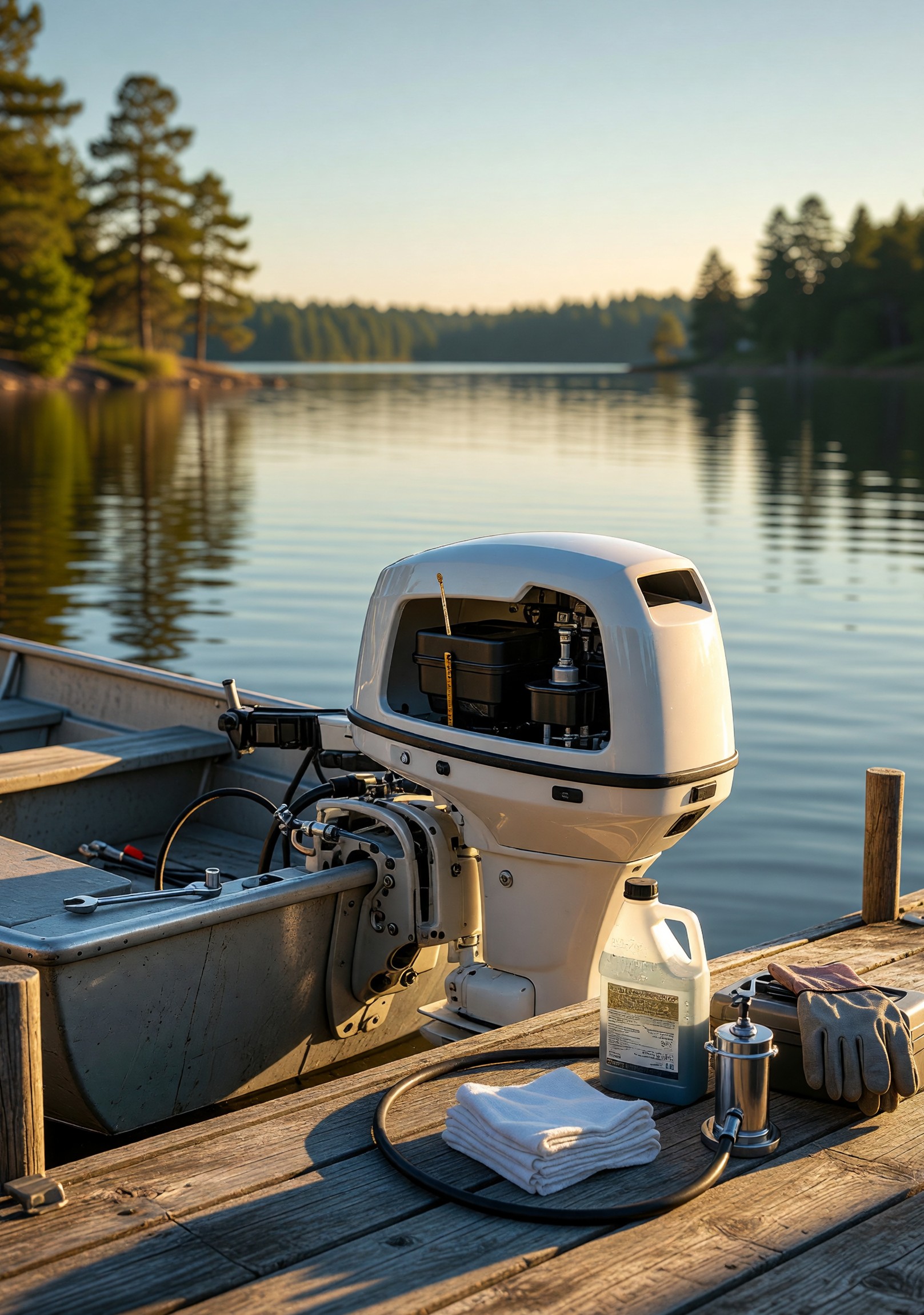
Maintaining your outboard motor is crucial for any outdoor enthusiast who loves hitting the water—whether you’re fishing on a serene lake, cruising coastal waters, or exploring remote rivers. Regular oil changes ensure your engine runs smoothly, preventing breakdowns that could ruin a perfect day on the boat. Neglecting this simple task can lead to costly repairs, reduced performance, and even safety hazards like overheating or seizures during critical moments. As boating seasons vary from the crisp springs of the Northeast to the sweltering summers of the South, timing your oil changes right keeps you adventure-ready. This guide dives into the top 10 tips for outboard oil change, blending practical advice with safety considerations. You’ll learn how to select the best products, execute the process flawlessly, and integrate it into your seasonal routine. With proper care, your outboard becomes a reliable companion for countless memories under the sun. Whether you’re a weekend warrior or a seasoned captain, these tips will boost your confidence and extend your motor’s life, letting you focus on the thrill of the outdoors rather than mechanical worries. Remember, a well-maintained engine means more time casting lines or navigating waves, and less time docked in frustration.
Top 10 Outboard Oil Change Tips
#1 Choose the Correct Oil Type
Selecting the right oil is the foundation of a successful outboard oil change. Consult your engine’s manual to identify the recommended viscosity, such as 10W-30 or 10W-40, which varies by model and manufacturer like Yamaha or Mercury. For four-stroke outboards, use marine-grade oils designed for high-RPM operation in saltwater or freshwater environments.
In coastal areas during summer, opt for oils with corrosion inhibitors to combat salty air. Always buy from reputable suppliers to avoid counterfeit products that could damage seals. This step ensures optimal lubrication, especially in varying temperatures from 50°F springs to 90°F peaks.
#2 Gather Essential Tools and Supplies
Before starting, assemble a toolkit including an oil extractor pump, drain pan, funnel, new oil filter (if applicable), rags, and gloves. For smaller outboards, a syringe-style pump works wonders in tight spaces like a trailer or dockside setup.
Don’t forget safety gear: eye protection and a fire extinguisher nearby, as oil is flammable. In remote boating spots, pack these in a waterproof bag for on-water maintenance during multi-day trips.
#3 Warm Up the Engine First
Run your outboard at idle for 5-10 minutes to warm the oil, making it thinner and easier to drain completely. This is especially useful in cooler seasons like fall fishing outings when oil thickens.
Avoid over-revving to prevent stress on the engine. Warm oil carries more contaminants, ensuring a cleaner system post-change. Monitor the temperature gauge to stay below 140°F for safety.
#4 Position the Boat Securely
Tilt the outboard to a vertical position and secure the boat on calm waters or a trailer. Use jack stands if working on land to prevent tipping, crucial for solo maintainers during off-season prep.
In marinas with tidal changes, time your work for low tide to access the lower unit easily. This setup minimizes spills and ensures even drainage, vital for environmental protection in sensitive areas like national parks.
#5 Drain the Old Oil Thoroughly
Remove the drain plug or use a pump to extract oil from the crankcase. Let it drip for 10-15 minutes to get every drop, preventing sludge buildup that could harm performance on long hauls.
For two-stroke models, mix oil with fuel separately, but four-strokes require full drainage. In humid climates, check for water contamination—milky oil signals a need for further inspection.
#6 Inspect and Replace the Oil Filter
Many four-stroke outboards have replaceable filters; unscrew the old one counterclockwise and lubricate the new gasket with fresh oil before installing. Torque to spec—usually 10-15 ft-lbs—to avoid leaks.
Do this annually or every 100 hours of use, more frequently in dusty river environments. A clean filter improves flow, enhancing fuel efficiency during extended summer cruises.
#7 Refill with the Precise Amount
Pour new oil slowly using a funnel, checking the dipstick frequently to avoid overfilling, which can cause foaming and pressure issues. Most outboards hold 2-6 quarts; refer to your manual for exact capacity.
In colder regions like the Great Lakes, fill to the top mark for better cold-start protection. Run the engine briefly afterward to circulate oil, then recheck levels.
#8 Check for Leaks and Secure Components
After refilling, inspect all seals, plugs, and hoses for drips. Wipe down the exterior and run the engine at low RPM for 5 minutes to pressurize the system.
Common leak points include the drain plug gasket—replace if worn. This step is critical before heading out on rough seas, ensuring no oil loss that could lead to emergencies.
#9 Dispose of Waste Oil Responsibly
Never dump old oil; store it in sealed containers and take it to a recycling center or auto shop. Many marinas offer free disposal, aligning with EPA regulations for clean waterways.
During peak boating seasons, plan changes near facilities to avoid transport hassles. Proper disposal protects aquatic life, keeping your favorite fishing spots pristine for future adventures.
#10 Test Run and Monitor Performance
After the change, take a short test run at varying speeds to confirm smooth operation. Listen for unusual noises and watch the oil pressure gauge for steady readings above 30 PSI.
Log the service in a maintenance journal, noting hours and date. For offshore trips, this verifies reliability, giving peace of mind amid unpredictable weather.
Key Takeaways
- Always prioritize safety with gloves, eye protection, and a stable workspace to prevent slips or spills.
- Schedule oil changes every 100 hours or annually, adjusting for heavy use in saltwater conditions.
- Invest in quality marine oil and tools for long-term engine health and cost savings.
- Check local regulations for waste disposal to maintain eco-friendly boating practices.
- Consult your owner’s manual for model-specific procedures to avoid voiding warranties.
- Monitor post-change performance closely during the first few outings for early issue detection.
How to Get Started
To begin your outboard oil change routine, review your engine manual and source supplies from a local marine store or online retailer like West Marine. Set aside a weekend morning in calm weather, ideally before your next trip. If you’re new, watch manufacturer tutorials or join a boating forum for hands-on advice. Track your schedule with a app like BoatLog to stay proactive. For professional help, visit a certified mechanic for your first change, then tackle it yourself to build skills. With these steps, you’ll ensure reliable performance and more enjoyable time on the water—start planning your next adventure today!