
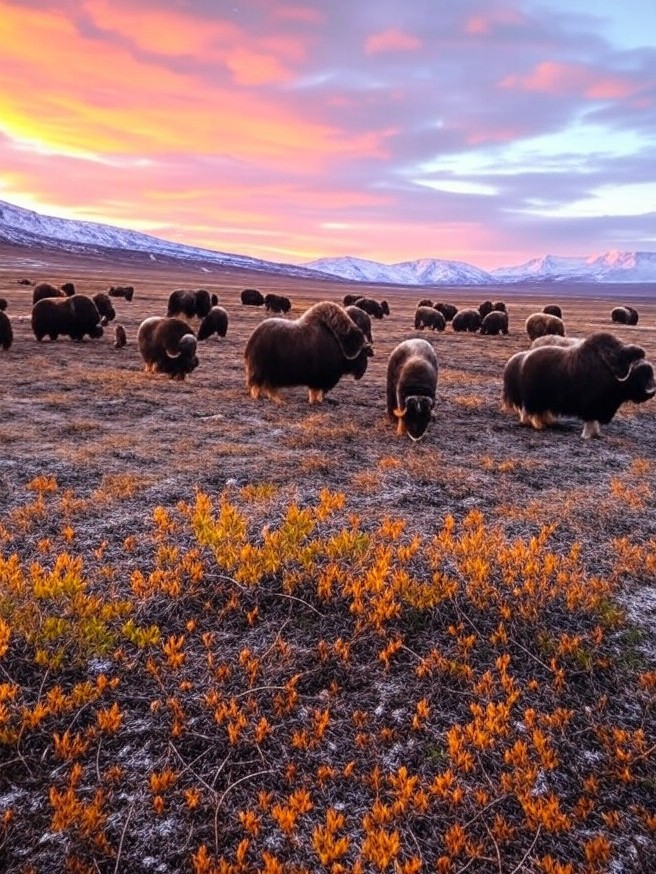
The muskox, with its thick woolly coat and formidable horns, embodies the raw power of the Arctic wilderness. For outdoor enthusiasts seeking an unparalleled hunting adventure, muskox hunts in Arctic destinations offer a rare blend of challenge, solitude, and connection to ancient landscapes. These massive bovines, native to the high latitudes, roam vast tundra expanses where temperatures plunge and daylight dances with the seasons. Why does this matter? In an era of accessible outdoor pursuits, muskox hunting stands out as a test of endurance, marksmanship, and respect for fragile ecosystems. It’s not just about the trophy—it’s about immersing yourself in indigenous cultures, navigating extreme weather, and contributing to sustainable wildlife management. Permits are tightly regulated to protect dwindling populations, making each hunt a privilege that demands preparation. From the windswept islands of Canada to the icy fjords of Greenland, these destinations promise heart-pounding stalks across frozen plains, where spotting a herd feels like discovering a prehistoric relic. Whether you’re a seasoned big-game hunter or an aspiring Arctic explorer, planning a muskox hunt builds resilience and stories that last a lifetime. With proper outfitting and awareness of polar bear threats, these trips foster a deep appreciation for the North’s unyielding beauty. Dive into our top picks to chart your course through this frozen frontier.
Top 10 Muskox Arctic Hunt Destinations
#1 Banks Island, Northwest Territories, Canada
Banks Island, a remote gem in the Arctic Ocean, boasts one of the densest muskox populations in North America. Hunters flock here for the expansive tundra and reliable sightings during the late winter to early spring seasons (February to April), when snowmobiles provide efficient access. Expect guided hunts with local outfitters who emphasize ethical harvesting—tags are limited to 50 per year via lottery.
Practical tips: Pack insulated boots rated to -40°F and layered wool for sudden blizzards. The island’s isolation means fly-in access only, so budget for charter flights from Inuvik. Safety note: Polar bears are common; carry bear spray and travel in groups.
#2 Victoria Island, Nunavut, Canada
Straddling the Arctic Archipelago, Victoria Island offers diverse terrain from rolling hills to coastal flats, ideal for spot-and-stalk muskox hunts in September to November. The area’s Inuit communities provide cultural insights, and hunts often include traditional meals. Obtain resident or non-resident tags through Nunavut’s quota system, which prioritizes conservation.
Key gear: A high-caliber rifle like .300 Win Mag for clean kills at 200-300 yards. Winds can reach 50 mph, so windproof outer layers are essential. Pro tip: Hire a local guide for navigation over calved ice and to spot herds from afar using binoculars.
#3 Melville Island, Nunavut, Canada
Known for its barren-ground caribou overlap, Melville Island delivers prime muskox opportunities in the high Arctic summer (July-August), when 24-hour daylight aids long pursuits. Access via helicopter or boat from Resolute Bay; expect costs around $15,000 for a week-long guided trip.
Challenges include mosquito swarms and wet tundra—bring gaiters and insect repellent. Safety first: Hypothermia risks are high; always monitor weather via satellite phone. This destination suits experienced hunters ready for multi-day camps.
#4 East Greenland, Sermersooq Region
Greenland’s rugged east coast, particularly around Scoresbysund, features muskox in fjord-side meadows during the fall rut (October). Danish-managed permits require applications through the Greenland government, with quotas to sustain the introduced population.
Tips: Use boats for access, as terrain is steep and icy. Opt for .338 caliber rifles for larger bulls. Cultural immersion with Greenlandic hunters adds depth—learn about qiviut harvesting. Gear up with crampons for glacier edges.
#5 North Slope, Alaska, USA
Alaska’s North Slope, near Prudhoe Bay, hosts wild muskox herds accessible via bush plane from Fairbanks in late fall (November). Federal and state tags are drawn annually; non-residents need guides. The vast oil-field backdrop contrasts with pristine hunting grounds.
Practical advice: Prepare for -30°F temps with down parkas and heated tents. ATVs help traverse tussock tundra. Watch for grizzlies; firearm carry is mandatory. This spot rewards patient stalkers with trophy bulls over 400 pounds.
#6 Prince of Wales Island, Nunavut, Canada
This large island in the central Arctic offers secluded hunts from August to October, with muskox grazing on lichen-rich plateaus. Fly-in from Yellowknife; limited tags ensure low hunter density. Outfitters provide spike camps for immersive experiences.
Gear essentials: Bivvy sacks for overnight stalks and rangefinders for ethical shots. Blizzards can ground flights—pack extra fuel. Safety tip: Avalanche risks in hilly areas; carry probes and beacons.
#7 Somerset Island, Nunavut, Canada
Somerset’s coastal plains teem with muskox during the winter ice season (March), reachable by snowmobile from Resolute. Tags via Nunavut’s outfitter allocation; focus on sustainable practices amid climate change impacts.
Tips: Insulated snowshoes for soft snow navigation. Use suppressors to minimize herd disturbance. Pro: Stunning aurora views post-hunt. Caution: Extreme cold demands frostbite prevention with balaclavas.
#8 Axel Heiberg Island, Nunavut, Canada
A true high-Arctic outpost, Axel Heiberg shines for summer hunts (June-July) amid fossil beds and hot springs. Helicopter access from Eureka; elite tags for non-residents through special draws.
Pack lightweight tents and solar chargers for remoteness. Rifle choice: .30-06 for versatility. Safety: Limited rescue options—first-aid kits with hypothermia blankets are vital. Ideal for adventurous souls seeking untouched wilderness.
#9 Ellesmere Island, Nunavut, Canada
The northernmost huntable spot, Ellesmere offers muskox near Alert in spring (April-May). Military base proximity aids logistics, but expect polar expedition conditions. Tags are highly competitive.
Gear: Expedition-grade sleeping bags and GPS for vast ice fields. Guides essential for Peary caribou overlap. Tip: Train for altitude-like fatigue from cold. Unmatched for explorers chasing the edge of the world.
#10 Baffin Island, Nunavut, Canada
Baffin’s dramatic fjords host muskox in the interior during fall (September), accessible from Iqaluit. Community hunts blend tradition with sport; apply for tags early.
Practical: Kayaks for coastal approaches, layered merino for sweat management. Safety: Rockslides in valleys—wear helmets. This accessible Arctic entry point builds confidence for northern pursuits.
Key Takeaways
- Always secure permits through lotteries or outfitters well in advance—Arctic hunts have strict quotas to protect muskox populations.
- Prioritize guided trips with experienced locals for navigation, cultural respect, and emergency response in remote areas.
- Essential gear includes high-caliber rifles (.300+), insulated clothing rated to -50°F, and satellite communication devices.
- Monitor weather obsessively; sudden storms can strand hunters—carry extra fuel and food for delays.
- Practice ethical hunting: Take only legal bulls, and be aware of polar bear deterrents like flares and spray.
- Health prep: Get vaccinations, build cold endurance through training, and pack meds for altitude sickness-like symptoms.
- Sustainable mindset: Support conservation by choosing eco-conscious outfitters and learning about indigenous harvesting.
How to Get Started
Begin by researching outfitters through organizations like the Nunavut Outfitters Association or Alaska Department of Fish and Game—book 12-18 months ahead for tags. Assess your fitness with cold-weather simulations and consult a doctor for Arctic travel. Budget $10,000-$25,000 per hunt, covering flights, guides, and gear rentals. Join forums like Rokslide for hunter insights, and apply for permits online via government portals. Start small with a Baffin Island trip if new to the North, then scale to remoter spots. Remember, preparation turns challenges into triumphs—gear up, train hard, and respect the land for an unforgettable adventure.