
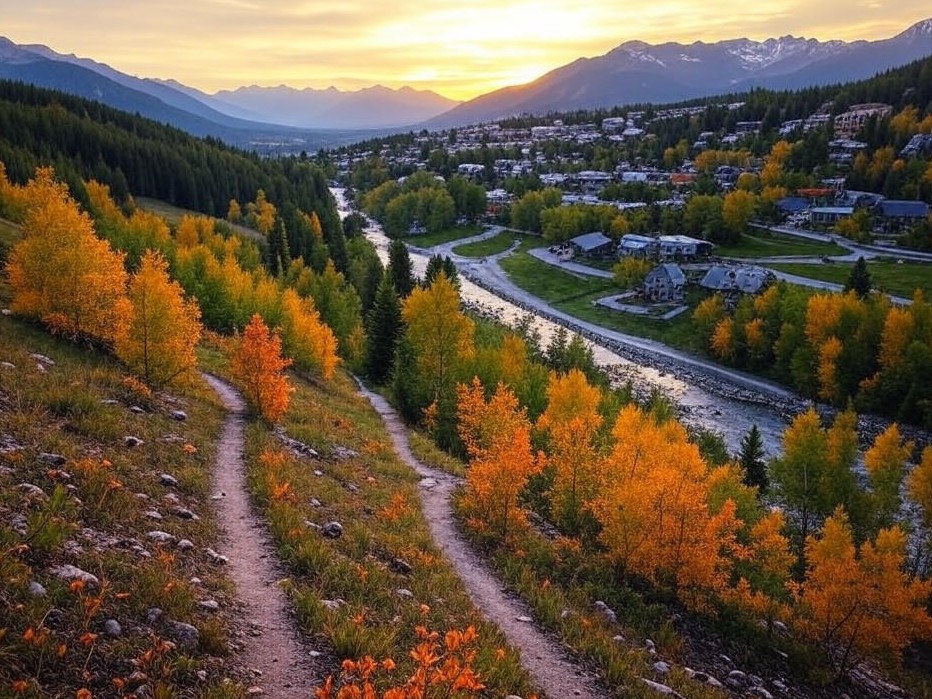
For outdoor enthusiasts, mountain towns offer a perfect blend of rugged landscapes and thrilling adventures, with hiking standing out as a universally loved activity. Whether you’re a seasoned trekker or a casual walker, these destinations provide trails that cater to all skill levels, showcasing breathtaking vistas, diverse ecosystems, and unique cultural experiences. Hiking in mountain towns isn’t just exercise—it’s a way to connect with nature, challenge your limits, and uncover hidden gems like cascading waterfalls or panoramic summits. In this listicle, we explore ten of the best mountain towns across the U.S. for unforgettable hiking adventures. From the Rocky Mountains to the Appalachians, each location offers distinct trails, practical tips for preparation, and insights into what makes their hiking culture special. Lace up your boots and get ready to explore the peaks and valleys of these incredible destinations!
1. Breckenridge, Colorado
Nestled in the heart of the Rockies, Breckenridge is a hiking haven with over 200 miles of trails. This historic ski town, just 80 miles from Denver, transforms into a summer paradise for trekkers seeking alpine meadows and stunning 14,000-foot peaks.
Trail Highlight: McCullough Gulch Trail
The McCullough Gulch Trail is a moderate 6.4-mile out-and-back hike featuring a 1,300-foot elevation gain. Starting near Quandary Peak, it leads to a serene alpine lake surrounded by rugged cliffs. Expect wildflowers in July and August, but be prepared for rocky terrain—sturdy boots are a must. Arrive early to avoid crowds, as parking is limited, and bring layers for sudden weather shifts at high altitude.
Practical Tip: Altitude Adjustment
Breckenridge sits at 9,600 feet, so acclimatization is key to avoiding altitude sickness. Spend a day or two adjusting before tackling tougher trails. Hydrate constantly—aim for 3-4 liters of water daily—and pack high-energy snacks like nuts or energy bars. Local outfitters offer guided hikes if you’re new to high-elevation trekking, ensuring safety and insider knowledge of hidden trails.
2. Telluride, Colorado
Telluride, surrounded by the San Juan Mountains, offers dramatic scenery and diverse hiking options. Known for its artsy vibe, this town provides access to trails ranging from easy strolls to challenging climbs, all with jaw-dropping views.
Trail Highlight: Jud Wiebe Trail
The Jud Wiebe Trail is a popular 3.1-mile loop with a 1,200-foot elevation gain, perfect for a half-day hike. It offers panoramic views of Telluride’s box canyon and Bridal Veil Falls. The trail’s steep switchbacks demand good fitness, so pace yourself. Spring and summer bring vibrant wildflowers, but trails can be muddy—bring trekking poles for stability and check local weather updates.
Practical Tip: Seasonal Planning
Summer (June to August) is ideal for hiking in Telluride, with temperatures averaging 70°F. However, afternoon thunderstorms are common, so start early and monitor forecasts. Fall offers stunning aspen foliage, though trails get slippery with leaves. Visit the Telluride Visitor Center for free trail maps and real-time updates on closures or bear activity, which spikes in late summer.
3. Taos, New Mexico
Surrounded by the Sangre de Cristo Mountains, Taos is a hidden gem for hikers seeking solitude and cultural depth. This desert-meets-mountain town offers trails with unique geology and expansive views, blending outdoor adventure with artistic charm.
Trail Highlight: Wheeler Peak Trail
Wheeler Peak, New Mexico’s highest point at 13,161 feet, is accessible via a strenuous 8.2-mile round-trip hike with a 3,000-foot elevation gain. Starting at Taos Ski Valley, the trail winds through pine forests to alpine tundra. Snow can linger into June, so check conditions and pack crampons if needed. The summit view spans three states on clear days, making the effort worthwhile.
Practical Tip: Cultural Integration
Taos combines hiking with cultural exploration—visit nearby Taos Pueblo, a UNESCO site, post-hike for a unique experience. Trails can be remote, so inform someone of your plans and carry a GPS or offline map app like Gaia GPS. Local gear shops rent equipment and offer advice on lesser-known trails, helping you avoid overcrowded spots during peak summer months.
4. Stowe, Vermont
Stowe, often called the “Ski Capital of the East,” shines as a year-round hiking destination. With Mount Mansfield—Vermont’s highest peak—nearby, this charming town offers lush trails and vibrant fall foliage for an unforgettable trek.
Trail Highlight: Long Trail to Mount Mansfield
The Long Trail section to Mount Mansfield is a challenging 5.4-mile round-trip with a 2,800-foot elevation gain. Known as the “Chin,” the summit offers 360-degree views of the Green Mountains. The rocky ascent requires agility—use hands for balance on steep sections. Fall hikers (September-October) are treated to fiery foliage, but early snow can make trails slick, so pack microspikes.
Practical Tip: Weather Preparedness
Stowe’s weather is unpredictable, with sudden rain or fog at higher elevations. Always carry a waterproof jacket and extra layers, even in summer when temps range from 60-80°F. Check trail conditions via the Green Mountain Club website for updates on mud or closures. Post-hike, refuel at local diners like Harrison’s with hearty, hiker-friendly meals to recharge.
5. Bozeman, Montana
Bozeman, a vibrant university town, sits near the Bridger and Gallatin Ranges, offering endless hiking opportunities. Known for its outdoor culture, it’s a gateway to rugged trails with abundant wildlife and sweeping Big Sky Country views.
Trail Highlight: Hyalite Canyon Trails
Hyalite Canyon, just 20 minutes from Bozeman, features a network of trails like the 5.5-mile Hyalite Peak hike with a 1,900-foot elevation gain. The trail passes waterfalls and ends at a summit with views of 11 alpine lakes. Wildlife like bears are common—carry bear spray and make noise while hiking. Summer is best, though snow can persist into June on higher trails.
Practical Tip: Wildlife Safety
Montana’s trails often host bears, moose, and mountain lions, so safety is paramount. Store food in bear-proof containers and hike in groups if possible. Purchase bear spray (about $40 locally) and learn its use via free ranger-led workshops at Hyalite Reservoir. Apps like Montana Fish, Wildlife & Parks provide real-time alerts on animal sightings to plan safer hikes.
Key Takeaways
- Mountain towns offer diverse hiking trails.
- Altitude and weather demand preparation.
- Wildlife safety is crucial in remote areas.
6. Jackson Hole, Wyoming
Jackson Hole, gateway to Grand Teton National Park, is a hiker’s dream with dramatic peaks and pristine wilderness. This cowboy town blends rugged adventure with luxury, offering trails for all levels amid stunning Teton scenery.
Trail Highlight: Cascade Canyon Trail
The Cascade Canyon Trail is a moderate 9.1-mile round-trip hike with a 1,100-foot elevation gain, accessible via Jenny Lake ferry (seasonal, $18 round-trip). It features towering canyon walls, waterfalls, and moose sightings. The trail can be icy in early summer—pack traction devices. Start early to avoid crowds, especially in July-August, and bring binoculars for spotting wildlife at a safe distance.
Practical Tip: Park Permits and Timing
Grand Teton National Park requires an entry pass ($35/vehicle for 7 days), so plan ahead via recreation.gov. Summer offers the best hiking weather (60-80°F), but snow lingers on high trails into July. Visit the Craig Thomas Discovery Center for free ranger talks on trail conditions and safety, ensuring you’re equipped for backcountry challenges.
7. Estes Park, Colorado
Estes Park, the gateway to Rocky Mountain National Park, offers over 300 miles of trails with alpine lakes and elk-filled meadows. This quaint town is perfect for hikers seeking iconic Colorado scenery and accessible adventures.
Trail Highlight: Emerald Lake Trail
The Emerald Lake Trail is a popular 3.2-mile round-trip hike with a 700-foot elevation gain, showcasing three stunning lakes—Nymph, Dream, and Emerald. The trail starts at Bear Lake Trailhead, often crowded, so arrive before 8 AM for parking. Winter hiking is possible with snowshoes, but summer (June-September) offers clear paths and vibrant wildflowers. Bring a camera for the postcard-worthy views.
Practical Tip: Crowd Management
Rocky Mountain National Park sees over 4.5 million visitors annually, so popular trails fill up fast. Use the park’s timed-entry reservation system ($2 online) to secure access during peak summer months. Shuttle services from Estes Park to trailheads reduce parking stress—check schedules at the Visitor Center. Pack light but include bear spray, as wildlife encounters are frequent.
8. Bend, Oregon
Bend, in the heart of Central Oregon, is an outdoor lover’s paradise near the Cascade Range. With over 80 miles of trails in and around town, it’s ideal for hikers craving volcanic landscapes and river views.
Trail Highlight: Misery Ridge Trail
Located in Smith Rock State Park, 30 minutes from Bend, the Misery Ridge Trail is a strenuous 3.8-mile loop with a 1,000-foot elevation gain. Known for dramatic cliffs and Deschutes River views, it’s a climber’s and hiker’s favorite. The steep ascent tests endurance—bring plenty of water (2 liters minimum). Spring and fall avoid summer heat (90°F+) and winter ice.
Practical Tip: Gear Essentials
Bend’s desert climate means hot, dry summers and cold winters, so gear up accordingly. Lightweight, moisture-wicking clothing prevents overheating, while a wide-brimmed hat shields from intense sun. Local shops like Wanderlust Tours offer rentals and guided hikes to explore hidden lava tube trails. Check Smith Rock’s website for seasonal closures due to raptor nesting.
9. Gatlinburg, Tennessee
Gatlinburg, the gateway to Great Smoky Mountains National Park, offers over 800 miles of trails amid misty peaks. This family-friendly town combines Southern charm with rugged hikes, perfect for East Coast adventurers.
Trail Highlight: Chimney Tops Trail
The Chimney Tops Trail is a challenging 3.8-mile round-trip with a 1,400-foot elevation gain, offering sweeping Smoky Mountain views. The steep, rocky climb demands sturdy footwear and caution on exposed sections. Post-2016 fire damage, the final summit is closed, but the observation point still stuns. Spring brings wildflowers, while fall (October) showcases vibrant foliage—arrive early for solitude.
Practical Tip: Park Navigation
Great Smoky Mountains National Park is free to enter, but parking tags ($5/day) are required—purchase online or at visitor centers. Trails can be humid (80%+ in summer), so pack breathable clothing and bug spray for ticks. The Sugarlands Visitor Center near Gatlinburg provides free maps and ranger-led hikes to learn about the park’s 2,000+ black bear population.
10. Asheville, North Carolina
Asheville, nestled in the Blue Ridge Mountains, is a hiker’s haven with access to the Appalachian Trail and Pisgah National Forest. This artsy town blends outdoor adventure with a vibrant food and craft beer scene.
Trail Highlight: Looking Glass Rock Trail
The Looking Glass Rock Trail in Pisgah National Forest is a moderate 6.2-mile round-trip with an 1,800-foot elevation gain. The granite dome summit offers sweeping views, especially stunning at sunrise. The trail can be slick after rain—use trekking poles for stability. Fall foliage peaks in October, drawing crowds, so midweek hikes offer more peace. Pack a light jacket for cool ridge winds.
Practical Tip: Basecamp Strategy
Asheville’s central location makes it an ideal base for day hikes—stay downtown to enjoy post-hike breweries like Burial Beer Co. Trails are often shaded, but summer humidity (70-80°F) calls for hydration (2-3 liters). The Asheville Hiking Group on social media connects hikers for group treks, while the Blue Ridge Parkway Visitor Center offers free trail guides.
Frequently Asked Questions
What should I pack for a day hike in a mountain town?
Pack essentials like water (2-3 liters), high-energy snacks, a first-aid kit, map or GPS, layers for weather changes, and sturdy boots. Bear spray is advised in wildlife-heavy areas.
As you plan your next hiking adventure, let these mountain towns inspire you to explore new heights. From Colorado’s rugged peaks to Tennessee’s misty trails, each destination offers a unique way to connect with nature. Whether you’re chasing summits or serene lakes, remember to tread lightly, prepare thoroughly, and savor every step. Your next unforgettable hike awaits in these scenic havens—where will your boots take you first?