
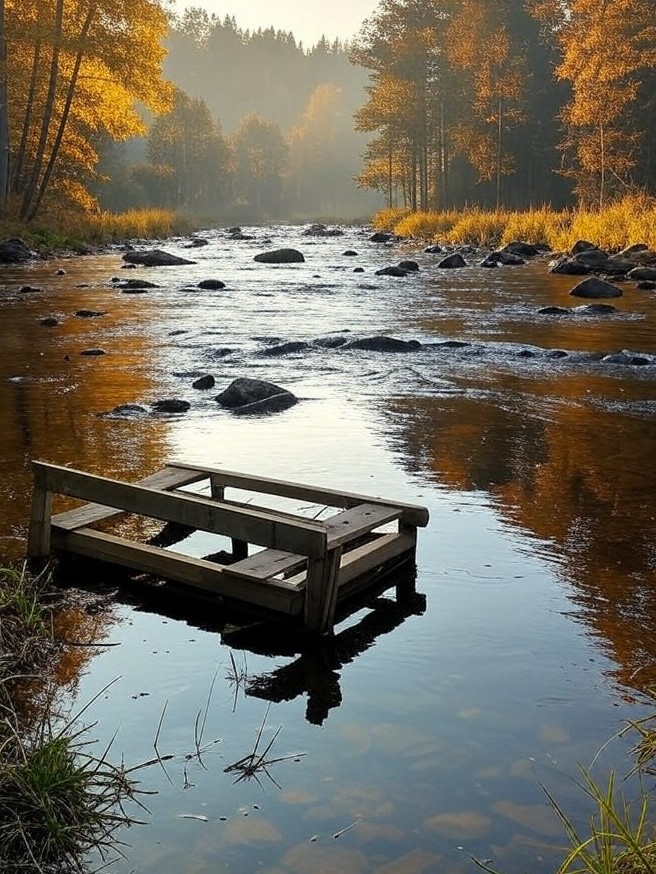
Mink stream trapping is a time-honored outdoor pursuit that connects enthusiasts with the wild rhythms of waterways and the elusive mink, a semi-aquatic member of the weasel family prized for its luxurious fur and cunning nature. For outdoor adventurers, this activity offers more than just the thrill of the catch—it’s an immersive way to engage with ecosystems, honing skills in observation, patience, and respect for wildlife regulations. Whether you’re a seasoned trapper or a newcomer drawn to the challenge, mastering stream trapping tips can lead to sustainable harvests that support conservation efforts and provide a deep sense of accomplishment.
Why does it matter? In regions with abundant streams and rivers, mink populations thrive, sometimes requiring careful management to prevent overabundance that disrupts local biodiversity. Trapping responsibly not only yields pelts for crafting or sale but also contributes to ecological balance. It’s a low-impact way to experience nature up close, teaching lessons in stealth and adaptation amid flowing waters. However, success demands knowledge of local laws, ethical practices, and environmental conditions. From scouting prime habitats to perfecting trap sets, these top 10 tips will equip you with practical strategies to trap effectively while minimizing disturbance to non-target species. Always prioritize safety and legality—check state wildlife agency guidelines before heading out, as seasons and methods vary widely.
Top 10 Mink Stream Trapping Tips
#1 Scout Prime Stream Locations
Begin by identifying streams with dense cover like overhanging banks, logs, and vegetation where mink den and hunt. Look for signs such as tracks, scat, or feeding remains near water edges. Ideal spots include slow-moving sections with deep pools, often in forested wetlands or near beaver dams, as mink follow prey like fish and crayfish.
Seasonally, focus on fall and winter when water levels stabilize and mink seek sheltered runs. Use topo maps or apps like onX Hunt to pinpoint public lands with access; avoid private property without permission. Spending time observing at dawn or dusk reveals active travel corridors, boosting your set’s success rate.
#2 Understand Mink Behavior and Habits
Mink are nocturnal and territorial, patrolling streams for food and mates. They prefer linear travel along banks, squeezing through narrow gaps under roots or rocks. Study their curiosity—mink investigate novel scents and movements, making fresh bait irresistible.
In streams, they swim efficiently but exit at consistent points like bends or obstructions. Note seasonal shifts: breeding season in late winter increases movement, while summer sees them in cooler, shaded areas. This knowledge prevents wasted sets in low-traffic zones.
#3 Select the Right Trap Type
Opt for foothold traps like the #1 or #1.5 Victor or Duke models, sized for mink’s 1-2 pound frame without harming larger otters. Body-grip traps (e.g., #110 Conibear) work well in tight runs but require precise placement to avoid drowning non-targets.
For streams, use rust-resistant galvanized steel and attach drowning slides or weights. Test traps in advance for smooth operation; local regulations may mandate offsets to reduce injury. Beginners should start with padded-jaw options for ethical catches.
#4 Master Baiting Techniques
Fresh fish heads, muskrat carcasses, or oily bird parts like duck wings attract mink with their strong scent. Place bait 6-12 inches above the trap pan to encourage investigation without triggering prematurely. Avoid over-baiting, which can spook wary animals.
In streams, suspend bait from overhanging branches over water entries to draw mink into sets. Refresh every 2-3 days, especially in warm weather when rot sets in. Experiment with lures like mink gland oil for added allure during peak seasons.
#5 Perfect Trap Placement
Set traps in natural funnels, such as under bridges, along undercut banks, or at stream confluences where mink must pass. Position the pan level with the bank, 2-3 inches from the water’s edge, covering with natural debris for concealment.
Winter ice can be an asset—set through thin ice in shallows. Always anchor securely with rocks or chains to prevent escapes into deep water. Check placements daily to comply with 24-48 hour regulations in most states.
#6 Camouflage Your Sets Effectively
Blend traps into the environment using mud, leaves, and twigs to mimic stream debris. For bank sets, weave in grasses; for submerged ones, use screened covers to block visual detection while allowing scent passage.
Mink’s keen senses demand subtlety—disturbed soil can alert them. In fall foliage, match colors seasonally. This tip alone can double catch rates by reducing wariness in heavily trapped areas.
#7 Monitor Weather and Water Conditions
Trapping shines during stable, cool weather when mink hug banks; high floods wash out sets, while droughts concentrate activity in remaining pools. Aim for flows under 2 mph to keep traps submerged yet accessible.
Pre-set before rains to avoid fresh human scent. In northern climates, freeze-thaw cycles affect ice sets—probe thickness daily for safety. Adapt by relocating after storms to fresh sign.
#8 Maintain and Check Traps Regularly
Inspect lines at first light to minimize stress on catches and release bycatch promptly. Clean traps of debris and re-bait as needed; log visits to track patterns.
Use GPS or stakes for navigation in remote streams. In multi-day setups, employ trail cams for remote monitoring, ensuring batteries withstand cold. Consistent checks prevent theft and ensure humane handling.
#9 Handle and Process Catches Properly
Approach calmly to avoid bolting; dispatch quickly and humanely per regulations, often by cervical dislocation. Skin pelts immediately for quality, stretching on boards to dry.
Store in cool, dry places; tag harvests if required. Focus on fall for prime fur—thicker and darker. Ethical trappers release juveniles under quota to sustain populations.
#10 Comply with Legal and Ethical Standards
Secure a trapping license and follow bag limits, typically 10-20 per season in permissive states like Minnesota or Maine. Report harvests and avoid protected wetlands.
Join trapping associations for education on best practices. Ethics emphasize selectivity—use offsets and check for endangered species. This ensures trapping’s future for generations of outdoor enthusiasts.
Key Takeaways
- Always obtain permits and adhere to local seasons, usually November to March, to trap legally and sustainably.
- Prioritize safety with waders, life vests, and sturdy boots to navigate slippery stream banks and cold waters.
- Invest in quality gear like waterproof gloves, headlamps, and multi-tools for efficient, safe setups.
- Plan routes in advance, informing others of your location to mitigate risks in remote areas.
- Practice catch-and-release for non-targets and use humane dispatch methods to uphold ethical standards.
- Monitor environmental impacts, avoiding sets that could harm water quality or habitats.
- Build skills through mentorship or online courses before solo outings for better success and safety.
How to Get Started
To dive into mink stream trapping, start by researching your state’s wildlife regulations via the Department of Natural Resources website—apply for a license early, as quotas fill fast. Gather essentials: a starter kit with two #1 foothold traps, bait bucket, and scent lures, available from suppliers like Minnesota Trapline Products for under $100.
Join a local trapping club or attend a workshop through organizations like the Fur Takers of America for hands-on guidance. Scout streams on public lands during off-season hikes to map potential sets. Begin small with 5-10 trap nights, journaling results to refine techniques. Remember, patience is key—your first season is about learning the land as much as the catch. With responsible practices, you’ll soon enjoy rewarding outings that deepen your bond with the wild.