
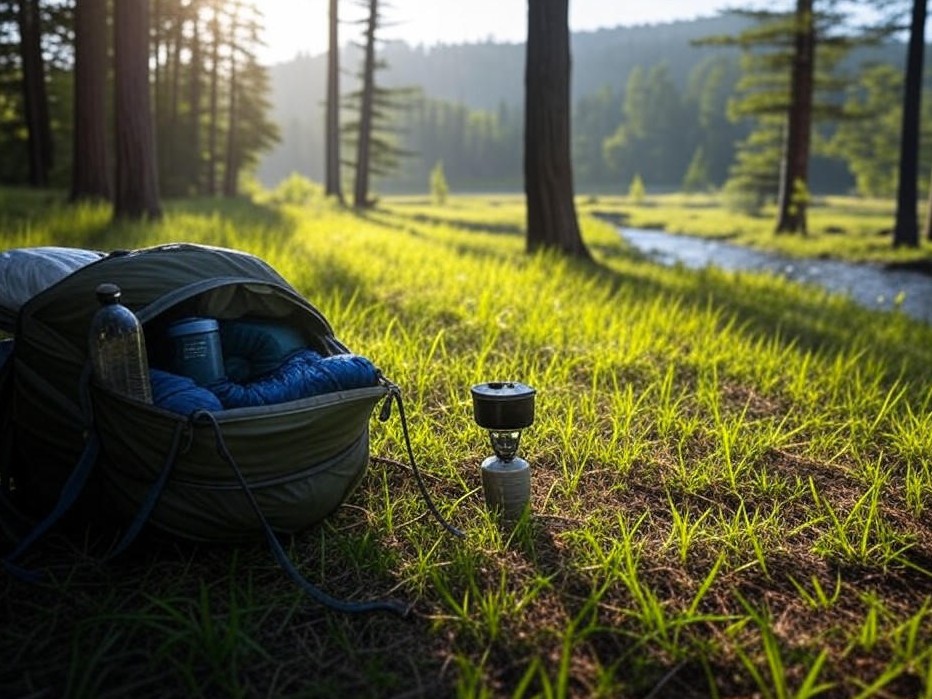
Minimalist backpacking is the art of exploring the wilderness with only the essentials, shedding unnecessary weight to maximize freedom and connection with nature. This approach isn’t just about packing light—it’s a mindset that prioritizes simplicity, efficiency, and sustainability. Whether you’re trekking through rugged mountains or serene forests, minimalist backpacking allows you to move faster, reduce physical strain, and immerse yourself fully in the outdoors. Inspired by insights from sources like Outdoor Gear Lab and Adventure Alan, this top 10 listicle unveils essential tips and gear recommendations for mastering minimalist backpacking. From ultralight gear choices to strategic packing techniques, these curated ideas will help outdoor enthusiasts of all levels embrace the less-is-more philosophy. Get ready to lighten your load, enhance your adventures, and experience the wild like never before with these practical, actionable strategies.
1. Choose an Ultralight Backpack
Selecting the right ultralight backpack is the cornerstone of minimalist backpacking. Aim for a pack weighing under 2 pounds, with a capacity of 40-50 liters for most trips. This ensures you carry only essentials while maintaining comfort on multi-day hikes.
Finding the Perfect Fit
Your backpack should mold to your body for optimal weight distribution. Look for adjustable hip belts and shoulder straps to prevent strain. Brands like Hyperlite Mountain Gear offer durable, lightweight options under 1.5 pounds. Test the pack with weight before buying—comfort over long distances is key. A poorly fitting pack can lead to back pain, so prioritize fit over aesthetics.
Durability vs. Weight
Ultralight packs often use materials like Dyneema, which is incredibly strong for its weight. However, avoid overloading beyond the recommended 25-30 pounds to prevent tears. Check reviews on platforms like Outdoor Gear Lab for tested durability stats. A balance of weight and toughness ensures your pack survives rugged terrains without burdening you.
2. Invest in a Lightweight Sleeping System
A minimalist sleeping setup is crucial for restful nights without excess bulk. Opt for a sleeping bag and pad combo under 3 pounds total. This saves space and reduces fatigue on long treks.
Ultralight Sleeping Bags
Choose a sleeping bag rated for your trip’s lowest expected temperature, ideally under 1.5 pounds. Down-filled bags, like those from Western Mountaineering, offer excellent warmth-to-weight ratios. Look for 800+ fill power for maximum insulation. Pack it in a compression sack to minimize volume, ensuring it fits snugly in your pack without wasting space.
Minimalist Sleeping Pads
A lightweight sleeping pad, such as the Therm-a-Rest NeoAir, weighs around 12 ounces and provides insulation from cold ground. Opt for inflatable models over foam for packability. Check the R-value (thermal resistance) to match your climate—higher values for colder conditions. This small addition boosts comfort without compromising your minimalist goals.
3. Streamline Your Shelter
Your shelter should protect without weighing you down. Ultralight tents or tarps under 2 pounds are ideal for minimalist backpacking, offering sufficient cover while saving critical pack space for other essentials.
Single-Wall Tents
Single-wall tents, like the Zpacks Duplex at 1.2 pounds, are perfect for solo or duo trips. They use trekking poles for setup, eliminating extra weight from tent poles. Ensure proper ventilation to avoid condensation buildup in humid conditions. Practice pitching before your trip—quick setup saves time and energy in unpredictable weather.
Tarp Shelters for Versatility
Tarps, weighing as little as 8 ounces, offer ultimate flexibility. Pair with a groundsheet for full protection. They’re ideal for mild climates and require skill to pitch effectively against wind or rain. Learn knots and configurations from online tutorials to maximize coverage. Tarps embody the minimalist ethos—simple, light, and multi-purpose.
4. Pack Multi-Use Clothing
Clothing for minimalist backpacking must be versatile and lightweight. Stick to a 3-4 piece wardrobe, focusing on layers that serve multiple purposes and weigh under 2 pounds combined for a 3-5 day trip.
Layering for Efficiency
Opt for a merino wool base layer (under 8 ounces) for warmth and odor resistance. Add a lightweight fleece for insulation and a waterproof shell (under 10 ounces) for rain. These layers adapt to changing weather, reducing the need for extras. Wash and dry them easily on the trail to maintain hygiene without packing more.
Convertible Gear
Choose items like zip-off pants that convert to shorts, saving space and weight. Look for quick-dry fabrics to handle sweat or unexpected rain. A buff or bandana (under 2 ounces) doubles as a scarf, headband, or towel. Multi-use gear cuts down on bulk while ensuring you’re prepared for diverse conditions.
5. Minimize Cooking Gear
Cooking setups should be compact and efficient. A minimalist kit, including a stove, pot, and fuel, should weigh under 1 pound. Focus on simple meals to avoid carrying heavy food prep tools.
Ultralight Stoves
An alcohol stove, like the Toaks at 1 ounce, paired with a small fuel bottle, is a minimalist’s dream. It’s cheap, light, and boils water efficiently for dehydrated meals. Practice safe fuel handling to prevent spills. Alternatively, canister stoves like the MSR PocketRocket (3 ounces) offer reliability in windier conditions with minimal added weight.
Compact Cookware
Use a titanium pot (under 4 ounces) that doubles as a mug or bowl. Pair it with a spork for eating and stirring—multi-use is key. Stick to no-cook or boil-only meals to eliminate extra utensils. Clean with biodegradable soap and minimal water to maintain Leave No Trace principles while keeping weight down.
Key Takeaways
- Ultralight gear keeps packs under 12 pounds.
- Multi-use items reduce unnecessary bulk.
- Prioritize durability with minimalist design.
6. Opt for Compact Water Solutions
Water management is vital, but heavy bottles add unnecessary weight. Focus on lightweight filtration systems and collapsible containers, keeping your hydration setup under 1 pound for minimalist backpacking efficiency.
Lightweight Filters
A filter like the Sawyer Squeeze (3 ounces) purifies water on the go, eliminating the need to carry excess. Attach it to a soft flask for direct drinking. Regularly backflush the filter to maintain flow rate, ensuring safe water from streams. This beats carrying heavy pre-filled bottles, especially on long treks with reliable sources.
Collapsible Containers
Use collapsible bladders or bottles, such as the Platypus SoftBottle (1 ounce), to store water. They shrink when empty, saving pack space. Carry a backup 1-liter container for dry stretches. Plan your route around water availability—apps like Gaia GPS can help locate sources, minimizing the load you carry at any time.
7. Limit Food to High-Calorie Options
Food weight adds up quickly, so prioritize calorie-dense, lightweight options. Aim for 1.5-2 pounds per day, focusing on dehydrated meals and snacks for a 3-5 day minimalist trip.
Dehydrated Meals
Pack dehydrated or freeze-dried meals like Mountain House, weighing 4-6 ounces per serving with 500+ calories. They’re easy to prepare—just add hot water. Supplement with instant oatmeal or ramen for variety. Check calorie-to-weight ratios on packaging to maximize energy without overloading your pack on extended hikes.
Energy-Dense Snacks
Carry nuts, energy bars, and jerky—items offering 100+ calories per ounce. A 3-ounce pack of almonds provides 500 calories and vital fats. Avoid bulky, low-calorie foods like fresh fruit. Portion snacks into resealable bags for daily rations, keeping weight balanced and accessible without digging through your pack mid-hike.
8. Carry a Minimalist First Aid Kit
A first aid kit is non-negotiable, but it doesn’t need to weigh you down. Build a custom kit under 5 ounces, tailored to your trip length and potential risks in the backcountry.
Essential Supplies
Include bandages, antiseptic wipes, pain relievers, and blister treatment like moleskin—totaling under 4 ounces. Pack in a small ziplock for waterproofing. Add personal meds if needed, but skip bulky extras like full rolls of tape. Focus on common injuries; stats show blisters and cuts account for 70% of trail mishaps, so prioritize those fixes.
Emergency Tools
Add a small multi-tool with tweezers and scissors (under 2 ounces) for emergencies. Include a lightweight emergency blanket (2 ounces) for hypothermia risk. Learn basic first aid skills beforehand—knowledge weighs nothing. Keep the kit accessible in an outer pocket, ensuring quick response without unpacking during a crisis on the trail.
9. Use Digital Navigation Tools
Paper maps and heavy compasses add weight; switch to digital navigation for minimalist backpacking. A smartphone with offline apps and a lightweight backup battery keeps you on track under 10 ounces.
Offline Mapping Apps
Download apps like Gaia GPS or AllTrails, which store maps offline for remote areas. Pre-load your route to avoid data dependency. A smartphone (6-8 ounces) doubles as a camera and emergency device. Practice using the app before your trip to ensure familiarity, reducing reliance on physical maps that can weigh 4+ ounces.
Lightweight Power Backup
Carry a compact power bank (under 3 ounces) with 5,000 mAh capacity for a full phone charge. Use a short, lightweight cable to minimize bulk. Turn off unnecessary phone features like Wi-Fi to conserve battery. Solar chargers (4 ounces) are an option for longer trips, ensuring you’re never stranded without navigation.
10. Embrace Multi-Purpose Tools
Every item in a minimalist pack should serve multiple roles. A single multi-tool or knife under 4 ounces can replace several heavier gadgets, streamlining your load for efficiency on the trail.
Versatile Multi-Tools
A Leatherman-style multi-tool (3-4 ounces) with pliers, a knife, and screwdriver covers most repair and utility needs. Use it for gear fixes, food prep, or first aid tasks. Avoid bulky models with unnecessary features—stick to essentials. This cuts down on carrying separate tools, saving ounces and pack space for other priorities.
Creative Gear Uses
Repurpose gear for multiple tasks: a trekking pole can anchor a tarp shelter, and a bandana serves as a filter or sling. Think creatively before packing—can one item do the job of two? This mindset reduces weight by 10-20% per trip, per estimates from ultralight communities like Adventure Alan, enhancing mobility.
Frequently Asked Questions
How do I start minimalist backpacking as a beginner?
Begin by auditing your gear, cutting non-essentials, and investing in ultralight basics like a lightweight pack and sleeping system. Start with short trips to test your setup.
Minimalist backpacking transforms how you experience the outdoors, offering freedom through simplicity. By adopting these top 10 strategies, you’ll travel lighter, move faster, and connect deeper with nature. Remember, every ounce counts—prioritize multi-use gear and ultralight options to enhance your adventures. Gear up, pare down, and hit the trail with confidence!