
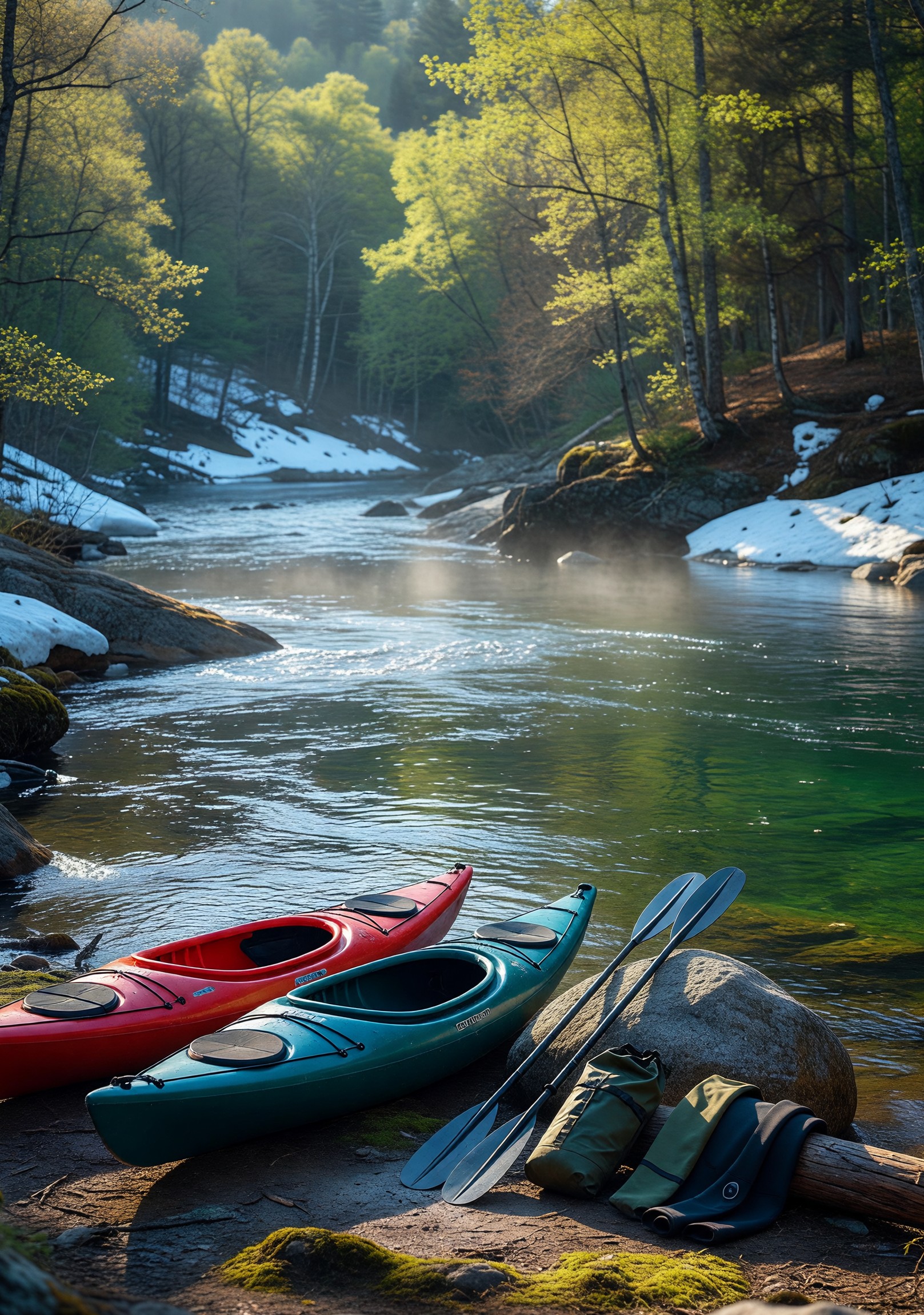
As the chill of winter fades and spring bursts forth with vibrant greens and blooming wildflowers, kayaking emerges as the perfect way to reconnect with nature. Spring paddles offer a unique blend of serene waters, awakening wildlife, and moderate temperatures that make every stroke feel invigorating. For outdoor enthusiasts, this season is ideal because rivers and lakes swell with snowmelt, creating dynamic currents without the summer crowds or intense heat. Whether you’re a novice seeking calm bays or an experienced paddler chasing mild rapids, spring kayaking builds skills while immersing you in renewal—think spotting migratory birds, paddling through misty mornings, or discovering hidden coves alive with new life.
This listicle highlights the top 10 kayak spring paddles across North America, selected for their accessibility, scenic beauty, and seasonal magic. From coastal estuaries to mountain-fed rivers, each spot promises adventure tailored to different skill levels. Remember, spring conditions can vary—check water levels and weather forecasts to ensure a safe outing. With proper gear like a stable kayak, life jacket, and dry bags, you’ll be set for unforgettable journeys that celebrate the earth’s rebirth. These paddles not only challenge your paddling prowess but also foster a deeper appreciation for fragile ecosystems, encouraging sustainable practices like Leave No Trace principles.
Top 10 Kayak Spring Paddles
#1 Everglades National Park, Florida
The Everglades’ mangrove tunnels and sawgrass prairies come alive in spring with wading birds and alligators emerging from winter dormancy. Launch from Flamingo Marina for a 5-10 mile paddle through calm coastal waters, where wildflowers dot the landscape and manatees occasionally surface. Spring’s milder temps (70-80°F) make it prime for spotting rare species without the summer humidity.
Tips: Obtain a park permit ($30/vehicle) and go guided if new to tidal currents. Wear quick-dry clothing and bug spray; watch for sudden afternoon storms. Best for intermediates due to subtle navigation challenges.
#2 Chesapeake Bay, Maryland
Spring transforms the Chesapeake into a paddler’s paradise with blooming cherry blossoms along the shores and ospreys returning to nest. Start at Sandy Point State Park for a 6-mile loop around Kent Island, weaving through marshy inlets teeming with blue crabs and fish. Water temps hover around 60°F, offering refreshing dips.
Practical advice: No permit needed for day trips, but check for boating regulations. Use a sea kayak for stability in light winds; pack a waterproof map. Ideal for beginners, with calm waters and easy access points.
#3 Colorado River, Utah
Melted snow from the Rockies fuels the Colorado’s spring flow, creating thrilling Class II rapids near Moab. Paddle a 12-mile section from Potash Road, surrounded by red rock canyons bursting with desert wildflowers. Expect temps in the 50-70°F range, perfect for multi-hour adventures.
Safety first: Secure a free day-use permit from BLM; wear a helmet and PFD. Spring flash floods are possible—monitor river gauges. Suited for advanced paddlers seeking excitement amid stunning geology.
#4 Lake Tahoe, California/Nevada
Emerald waters of Tahoe sparkle in spring as snow-capped peaks reflect the sun, with clearer visibility than summer. Launch from Sand Harbor for a 4-8 mile coastal paddle, gliding past hidden beaches and emerging wildflowers. Crisp 50°F air invigorates without overwhelming chill.
Pro tips: Tahoe requires a watercraft inspection for invasive species (free); opt for a touring kayak. Wind can pick up—paddle early mornings. Great for all levels, with family-friendly coves.
#5 Boundary Waters Canoe Area, Minnesota
Spring thaw opens this wilderness gem, where portages connect pristine lakes alive with loons and blooming tamaracks. Try a 10-mile route from Seagull Lake, enjoying solitude as crowds haven’t arrived. Water levels peak for easier navigation.
Essentials: Permits ($16/resident) are quota-based—book early. Pack bear-proof containers and layers for variable weather. Best for experienced paddlers embracing backcountry ethics.
#6 Puget Sound, Washington
Orca sightings peak in spring along this fjord-like sound, with cherry blossoms lining Seattle’s shores. Paddle 7 miles from Alki Beach to Bainbridge Island, through calm channels dotted with seals and eagles. Mild 55-65°F temps invite leisurely exploration.
Guidance: No permits for kayaks under 16ft; use a sea kayak for tidal currents. Watch ferry traffic and tides via apps. Accessible for intermediates, with urban-to-wild transitions.
#7 Green River, North Carolina
Appalachian spring brings rhododendron blooms to this gentle river, ideal for spotting otters and herons. Launch at Fishtop Access for an 8-mile float through forested gorges, with water temps warming to 60°F.
Advice: Free access, but check for low-head dams. A recreational kayak suffices; bring a shuttle service. Perfect for beginners building confidence in mild currents.
#8 Apostle Islands, Wisconsin
Lake Superior’s sea caves glow with spring’s soft light, as ice melts to reveal sandstone arches. Paddle 5-12 miles from Meyers Beach, exploring grottoes alive with nesting birds. Chilly 45-55°F waters demand drysuits.
Tips: National Lakeshore entry fee ($10); go with a guide for cave access. Strong winds possible—check forecasts. For advanced paddlers drawn to rugged beauty.
#9 Merced River, California
Yosemite’s Merced swells in spring, offering playful rapids amid wildflower meadows. A 9-mile section from Briceburg features Class III fun in 60°F air, with granite cliffs framing the scene.
Key notes: Wilderness permit required ($5 + $5/person); helmet mandatory. Spring runoff varies—assess skills. Thrilling for intermediates in a national park setting.
#10 St. Lawrence River, New York
Thousand Islands archipelago blooms in spring, with bald eagles soaring over misty channels. Launch from Alexandria Bay for a 6-10 mile paddle, discovering hidden islands and historic sites. Temperate 50-70°F weather enhances comfort.
Practical: No permit for non-motorized; use charts for navigation. Life jacket and whistle essential. Suitable for all levels, blending history and nature.
Key Takeaways
- Always wear a properly fitted PFD and check local weather/water conditions before launching to avoid spring surprises like sudden swells.
- Obtain necessary permits in advance—national parks and rivers often require them for conservation and safety.
- Pack essentials: dry bags, first-aid kit, whistle, and layered clothing to handle variable spring temps and potential rain.
- Respect wildlife—maintain distance from animals and follow Leave No Trace to preserve habitats during sensitive breeding seasons.
- Choose gear based on skill: beginners opt for stable recreational kayaks; experts select sea or whitewater models with spray skirts.
- Plan with a buddy or group, inform someone of your route, and carry a communication device like a waterproof phone or satellite messenger.
- Assess river/lake levels via USGS gauges; spring melt can elevate hazards, so start with easier sections if unsure.
How to Get Started
To dive into spring kayaking, begin by assessing your skill level—take a local paddling course from organizations like the American Canoe Association (ACA) for fundamentals in strokes, rescues, and navigation (courses start at $100 for a weekend). Rent or buy a kayak suited to your chosen paddle; entry-level models like the Perception Joyride cost around $500 and are versatile for calm waters. Research destinations via apps like AllTrails or Paddle Logger for maps and reviews, and join online communities such as Reddit’s r/kayaking for real-user tips.
Next, gear up: Invest in a quality PFD ($50-150), paddle ($100+), and bilge pump. Schedule your first trip for a short, guided outing to build confidence—many outfitters offer spring packages including transport. Finally, prioritize safety by creating a float plan and practicing self-rescue drills. With these steps, you’ll be paddling through spring’s splendor in no time, creating memories that last a lifetime.