
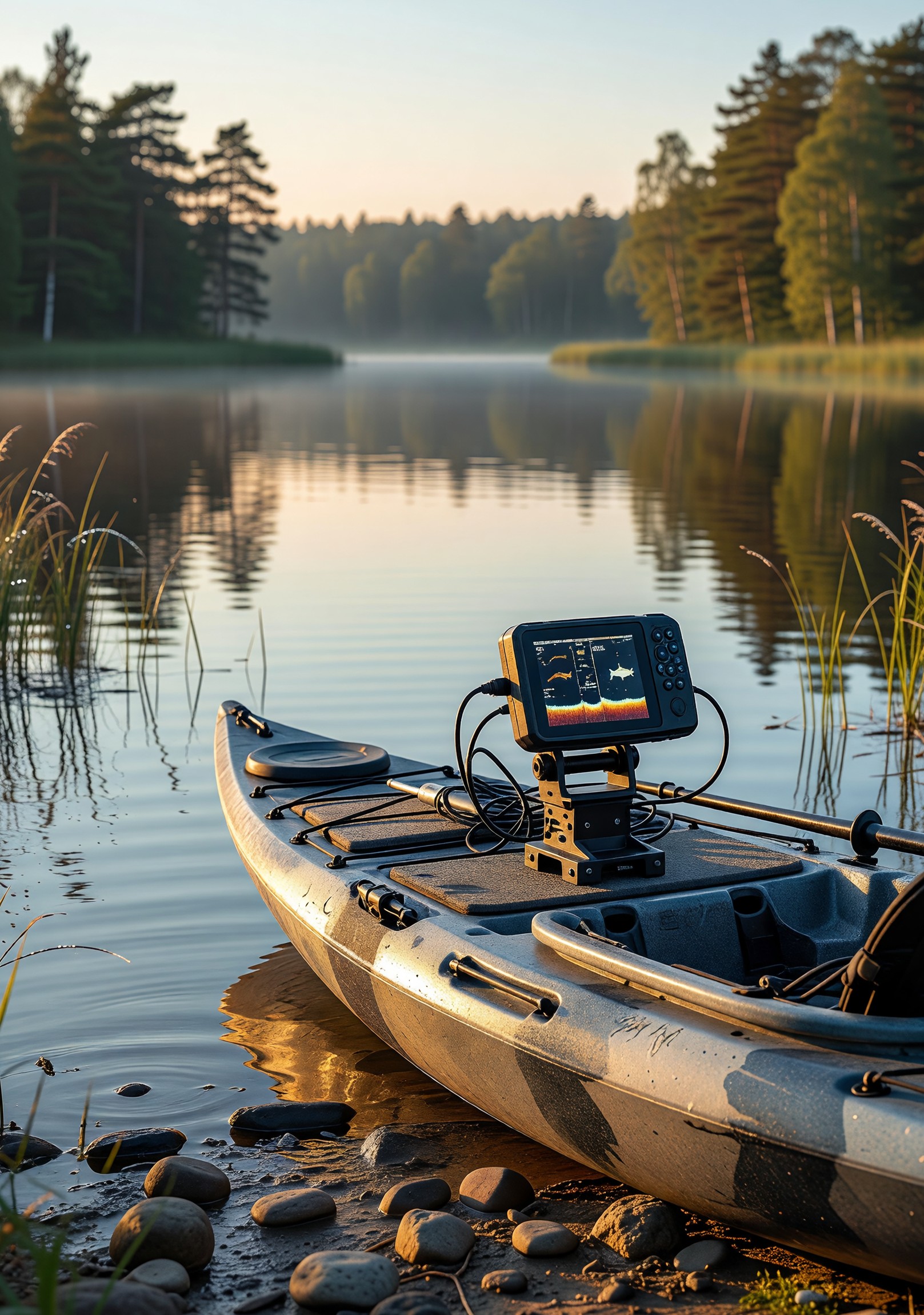
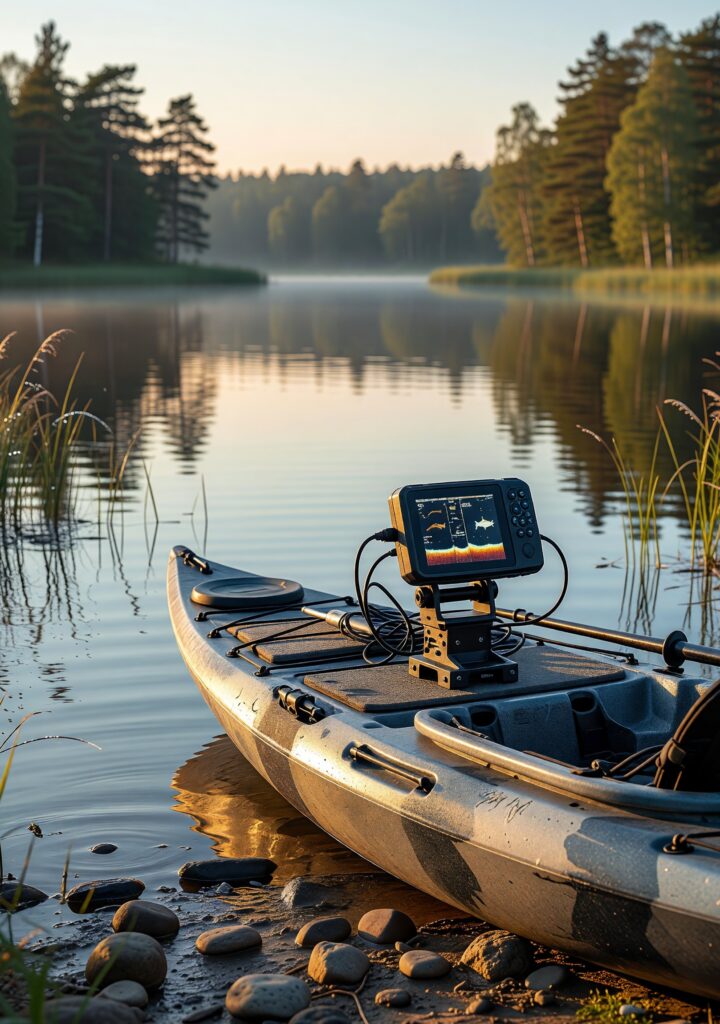
Kayak fishing has exploded in popularity among outdoor enthusiasts, offering a serene yet thrilling way to connect with nature while chasing the next big catch. But what elevates a good day on the water to an epic one? Enter kayak fish finders—compact, portable sonar devices that scan underwater to reveal fish locations, depths, and structures. These gadgets are game-changers for anglers, turning guesswork into precision and boosting success rates without the bulk of traditional boat setups. Whether you’re a beginner paddling calm lakes or a seasoned pro tackling coastal currents, the right fish finder enhances safety by mapping hazards and maximizes enjoyment by pinpointing hotspots.
Why do they matter? In the vast, unpredictable world of open water, visibility is limited, and fish don’t announce their presence. A reliable fish finder provides real-time data via GPS, CHIRP sonar, and even side-imaging, helping you navigate regulations like no-wake zones or protected areas. They’re lightweight (often under 2 pounds), battery-powered for all-day use, and mountable on kayaks with minimal hassle. Plus, in an era of sustainable fishing, they promote catch-and-release by targeting only what’s there. This top 10 list curates the best options based on portability, ease of use, features, and user reviews from kayak communities. From budget-friendly entry-level models to high-tech powerhouses, there’s something for every paddle and budget. Dive in to discover picks that could transform your next outing into a bounty of bass, trout, or walleye, all while respecting the environment and your skill level.
Top 10 Kayak Fish Finders
#1 Garmin Striker 4
The Garmin Striker 4 tops our list as the best overall for kayak anglers, blending affordability with robust performance. This 4.3-inch color display unit offers CHIRP sonar for clear fish arches and bottom contours up to 500 feet deep, ideal for freshwater lakes or shallow bays. Its GPS waypoint marking lets you save hot spots for repeat visits, crucial during seasonal migrations like summer bass runs.
Mount it on your kayak’s deck with the included transducer bracket—no drilling required. Battery life lasts 10+ hours on four AA batteries, perfect for multi-day trips. Tip: Pair it with a stabilizing rod holder to keep readings steady in choppy water. Users rave about its quick-release mount for easy storage, making it a staple for tournaments on places like Lake Erie in spring.
#2 Lowrance Hook Reveal 5
For those seeking value-packed features, the Lowrance Hook Reveal 5 shines with its 5-inch SolarMAX display and Autotuning sonar that automatically adjusts for optimal clarity. It scans down to 400 feet, highlighting fish with FishReveal technology that overlays sonar returns on downscan images—great for distinguishing species in murky river waters.
Compact at just 1.1 pounds, it’s kayak-ready with a tilt/swivel mount. GPS integration includes preloaded U.S. inland maps, helping navigate no-fishing zones in areas like the Everglades during wet season. Pro tip: Update firmware via USB for enhanced sensitivity; it’s a favorite for redfish pursuits in coastal Texas year-round.
#3 Humminbird Helix 5 DI
The Humminbird Helix 5 DI excels in detailed imaging, featuring DualBeam Plus sonar and Down Imaging for side-to-side structure views up to 800 feet. Its 5-inch high-definition screen is sunlight-readable, essential for dawn patrols on bright summer mornings.
Weighing under 2 pounds, it mounts securely on kayaks with the optional gimbal. Internal GPS stores up to 2,500 waypoints, aiding in planning routes around hazards like submerged logs in northern Minnesota lakes. Safety note: Always check for switchback currents before launching; this model’s autochart live feature lets you map your own contours on the fly.
#4 Deeper Smart Sonar PRO+
Go wireless with the Deeper Smart Sonar PRO+, a castable fish finder that pairs with your smartphone via Bluetooth. No mounting needed—just toss it out and reel it back for 360-degree scans up to 260 feet deep, perfect for stealthy kayak approaches in tight coves.
Its GPS maps bathymetric data to apps, creating custom lake maps for offline use during remote trips in places like the Boundary Waters. Battery lasts 15 hours, rechargeable via USB. Ideal for ultralight setups; tip: Use in fall for walleye staging near drop-offs, but ensure phone protection from splashes.
#5 Raymarine Dragonfly 5 Pro
The Raymarine Dragonfly 5 Pro offers premium CHIRP sonar and DownVision imaging on a 5-inch touchscreen, penetrating up to 600 feet for crystal-clear bottom details. Integrated Wi-Fi connects to Navionics charts, vital for saltwater kayaking in regions like Florida Keys.
At 1.3 pounds, it’s transom-mount friendly for kayaks. Lighthouse 3 OS provides intuitive navigation, including man-overboard alerts. Season tip: Best in winter for snook along mangroves; always carry a VHF radio for offshore safety, as this unit’s quad-core processor handles real-time data without lag.
#6 Venterior Portable Fish Finder
Budget-conscious paddlers will love the Venterior Portable Fish Finder, a handheld device with 100-degree sonar coverage up to 328 feet. Its LCD screen shows fish depth, size, and bottom type, making it simple for beginners on small ponds or streams.
Rechargeable battery offers 10 hours, and it’s fully waterproof (IP67). No installation—just attach the sensor to your hull. Great for ice-out fishing in early spring Midwest reservoirs; practical advice: Calibrate in shallow water first to avoid false readings from debris.
#7 HawkEye FishTrax 1C
The HawkEye FishTrax 1C is a no-frills powerhouse for kayak minimalists, featuring a 2-inch color display and FishID+ tech that icons fish species. Sonar range hits 240 feet, with water temperature and depth sensors for versatile use.
Ultra-portable at 0.5 pounds, it suctions to any kayak surface. CCrisp sonar reduces clutter in vegetated areas like southern bayous during summer. Tip: Use the audible alerts for hands-free operation while paddling; check local regs for permits in wildlife management areas.
#8 Garmin EchoMap UHD 62cv
Step up to the Garmin EchoMap UHD 62cv for ultra-high-definition sonar and ClearVü scanning, displaying lifelike images up to 800 feet. The 6.2-inch keyed display includes Quickdraw Contours for custom mapping.
Suitable for kayaks with its compact design (3.1 pounds), it auto-transfers data to your phone. Excellent for offshore adventures in the Gulf during shark season; safety first—wear a PFD and monitor tides, as this model’s NMEA 2000 compatibility adds radar options for bigger trips.
#9 Lowrance Elite FS 7
The Lowrance Elite FS 7 delivers pro-level structure scan and 83/200 kHz sonar on a 7-inch display, ideal for deep-water kayak fishing up to 1,000 feet. Active Imaging reveals hidden structures in real-time.
At 4.5 pounds, use a RAM mount for stability. Built-in C-MAP charts cover U.S. coasts, perfect for Pacific Northwest salmon runs in fall. Pro tip: Adjust sensitivity for thermoclines; ensure kayak stability with added ballast for longer outings.
#10 iBobber Wireless Bluetooth Fish Finder
Rounding out the list, the iBobber is a fun, app-connected bobber-style finder with GPS and sonar up to 400 feet. Cast it from your kayak for spot checks without extra gear.
Waterproof and rechargeable (10-hour life), it logs trips for weather forecasting integration. Best for casual lake sessions in summer; note: Bluetooth range is 100 feet, so stay close—great starter for kids or solo anglers in calm conditions like Vermont ponds.
Key Takeaways
- Choose a fish finder based on water type: CHIRP for clear lakes, side-imaging for rivers with structure.
- Always prioritize portability—opt for models under 3 pounds to avoid kayak imbalance.
- Battery management is key; carry spares and use solar chargers for extended trips.
- Safety first: Pair with a life jacket, whistle, and weather app; avoid solo launches in rough conditions.
- Check local fishing permits and seasons—many areas require licenses for using electronics.
- Practice mounting and calibration on shore to ensure accurate readings on water.
- Sustainable angling: Use finders to minimize disturbance and practice catch-and-release.
How to Get Started
Begin by assessing your kayak setup and typical fishing spots—shallow freshwater needs basic sonar, while coastal requires GPS and weatherproofing. Research models within your budget ($100–$800) via sites like Bass Pro Shops or REI, reading reviews from kayak-specific forums like Kayak Angler Magazine. Purchase essentials: transducer mount, extra batteries, and waterproof case. Install following manufacturer guides—most take 30 minutes with basic tools. Head to a local lake for a test run, starting in calm, familiar waters. Join online communities for tips, and consider a fishing course for regs and techniques. With practice, you’ll be landing trophy fish safely and sustainably in no time.