
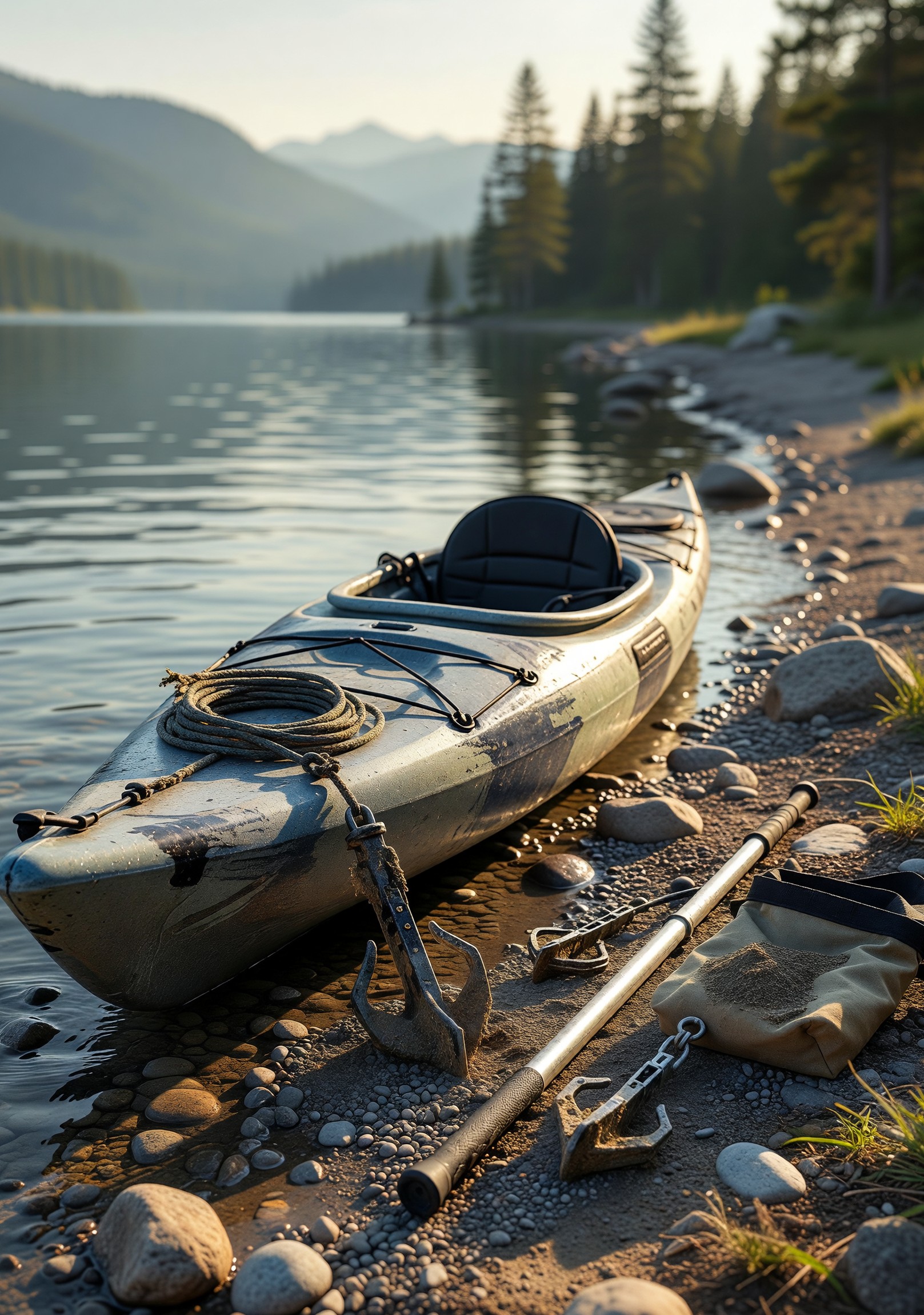
Kayak anchoring is an essential skill for any paddler looking to enhance safety, stability, and enjoyment on the water. Whether you’re fishing in calm lakes, exploring coastal bays, or navigating gentle rivers, a reliable anchor system keeps your kayak in place against wind, current, or waves, allowing you to relax, cast lines, or take photos without drifting. Without proper anchoring, you risk capsizing in unexpected gusts or losing prime spots to currents—issues that can turn a serene outing into a stressful ordeal. For outdoor enthusiasts, investing in the right kayak anchor system means more control over your adventure, from dawn patrols on misty mornings to sunset cruises in warmer seasons.
Modern anchor systems have evolved beyond basic weights, incorporating lightweight, deployable designs tailored for the kayak’s compact size and solo operation. They range from compact grapnels for rocky bottoms to drift chutes for open water stability. Choosing the best one depends on your kayak type (sit-on-top vs. sit-in), water conditions, and activity—fishing demands quick-set precision, while touring benefits from versatile, multi-use options. Safety is paramount: always check local regulations for anchoring in protected areas, and pair your system with a paddle leash or quick-release mechanism to avoid entanglements. As climate patterns shift, versatile anchors help adapt to variable conditions, like sudden storms or tidal changes. In this guide, we rank the top 10 kayak anchor systems based on ease of use, durability, portability, and real-world performance from paddlers’ feedback. These picks cater to beginners and pros alike, ensuring your next outing is anchored in success.
Top 10 Kayak Anchor Systems
#1 YakGrip Anchor Trolley System
The YakGrip Anchor Trolley is a game-changer for hands-free positioning, featuring a sliding trolley on a 20-30 foot line that lets you deploy anchors from bow or stern without leaving your seat. Ideal for fishing in lakes or rivers with mild currents, it supports grapnel or drift anchors up to 10 pounds. Users praise its corrosion-resistant aluminum construction, which withstands saltwater exposure—perfect for coastal kayaking in summer.
Installation is straightforward: mount the trolley tracks along your kayak’s gunwales using included hardware, and add a carabiner for quick swaps. Tip: In windy conditions, position the anchor mid-kayak for balanced hold. Always test in shallow water before heading out, and pair with a float line to retrieve if it snags on submerged logs.
#2 Power-Pole Micro Anchor
Designed for shallow waters under 8 feet, the Power-Pole Micro uses a spiked pole that silently drops to stake into mud or sand, offering stealthy anchoring for anglers targeting bass in spring spawning seasons. Its lightweight carbon fiber build (under 5 pounds) fits most kayaks without adding bulk, and the push-button remote allows one-handed deployment.
Best for calm inland lakes like those in the Midwest, where noise can spook fish. Maintenance involves rinsing after brackish use to prevent corrosion. Safety note: Avoid rocky bottoms to prevent pole damage, and use the auto-up feature in currents over 1 knot to prevent dragging.
#3 Dakota Grapnel Anchor
This four-prong folding grapnel (3.5 pounds) excels in rocky or weedy areas, collapsing for easy storage in hatch compartments. It’s a favorite for river paddlers during fall foliage tours, providing a secure hold in currents up to 2 knots without excessive weight.
Deploy by tossing from the bow and letting prongs bite; retrieve by pulling at an angle to dislodge. Pro tip: Add a sliding weight for deeper settings in 10-15 foot waters. Check for sharp edges that could fray ropes, and wear gloves during handling in colder seasons.
#4 Drift Anchor/Sea Anchor
A parachute-style drift anchor slows your kayak’s movement in open water, ideal for ocean paddling or windy lake days in early summer. The Seattle Sports 9-inch model deploys quickly to reduce drift by 50-70%, helping maintain position while resting or photographing wildlife.
Attach to the bow with a 15-foot retrieval line and a swivel to prevent tangles. It’s not for holding still but stabilizing—use in combination with a trolley system. In high winds, opt for larger sizes; always monitor for jellyfish or debris that could clog it.
#5 Box Anchor (YakGear)
The innovative box design of the YakGear anchor grips from four directions, holding in sand, mud, or gravel with minimal swing—perfect for bay fishing in tidal areas like the Chesapeake during summer. At 4.5 pounds, it’s portable yet effective in winds up to 15 mph.
Set by lowering all four arms simultaneously via a buoyed line. Retrieval tip: Pull straight up to collapse. It’s eco-friendly with non-toxic materials, but avoid coral reefs to prevent damage. Pair with a depth finder for optimal bottom matching.
#6 Stake-Out Pole
For ultra-shallow flats under 6 feet, the YakAttack ParkNPole stakes directly into soft bottoms, offering instant anchoring for poling through mangroves in Florida’s winter birdwatching season. Made of lightweight PVC or aluminum (8-12 feet lengths), it doubles as a push pole.
Simply drive it in from your seat; add rubber tips for rocky use. It’s silent and snag-free, but not for deep water. Safety: Secure with a leash to avoid losing it in waves, and check for wildlife burrows that could weaken holds.
#7 Mushroom Anchor
The classic mushroom shape (5-10 pounds) molds into soft bottoms for long-term holds, suited for overnight lake camping in northern states during autumn. Its compact design fits small kayaks, providing stability for cooking or stargazing without drift.
Lower slowly to allow suction; use a chain rode for better angle in currents. Tip: In clay-heavy lakes, add a weed guard. Rinse after use to remove sediment, and verify weight capacity matches your kayak’s beam.
#8 Weighted Sandbag Anchor
A DIY-friendly option, the NRS 20-pound sandbag fills on-site for versatile holding in beaches or rivers. Great for group trips in variable conditions, like Pacific Northwest summers, where you can adjust weight based on current strength.
Fill with sand or rocks, seal, and deploy over the side. It’s budget-friendly but requires permits for beach access in protected areas. Caution: Overfilling can strain lines; use UV-resistant bags to prevent degradation in sunny seasons.
#9 Folding Anchor (Extreme Max)
This six-point folding anchor (8 pounds) adapts to mixed bottoms, unfolding on impact for quick sets in estuaries during spring migrations. Its galvanized steel resists rust, making it durable for frequent saltwater use.
Store flat in rod holders; deploy with a 20-foot rope. Pro advice: Angle throws toward the current for better bite. Inspect hinges regularly, and avoid in heavy surf to prevent inversion.
#10 Electric Anchor Winch (Minn Kota)
For tech-savvy paddlers, the Minn Kota winch automates deployment up to 20 feet, integrating with GPS for spot-locking in large lakes like the Great Lakes in summer. Battery-powered and compact, it reduces physical strain on longer outings.
Mount near the stern with a 12V battery; sync with fish finders for precision. It’s pricier but worth it for pros. Safety: Ensure waterproofing and carry a manual backup; test in calm conditions first.
Key Takeaways
- Always match your anchor to water depth and bottom type—grapnels for rocks, mushrooms for mud—to ensure secure holds and easy retrieval.
- Prioritize quick-release mechanisms to detach in emergencies, like sudden storms or strong currents, preventing kayak capsizes.
- Check local permits and no-anchor zones in national parks or wildlife refuges to avoid fines and protect ecosystems.
- Pair anchors with flotation devices and leashes; inspect gear pre-trip for wear, especially in saltwater environments.
- Practice deployment in safe, shallow areas to build confidence, considering seasonal factors like ice melt or high tides.
- Combine systems (e.g., trolley with grapnel) for versatility, and carry backups for multi-day adventures.
- Focus on lightweight options under 10 pounds to maintain kayak balance and paddling efficiency.
How to Get Started
Begin by assessing your typical waters: shallow lakes call for stake poles, while open bays need drift anchors. Measure your kayak’s length and hatch space to select portable gear—start with a basic grapnel kit under $50 for affordability. Shop reputable brands like YakAttack or NRS, reading reviews for real-user durability. Install any trolleys or mounts at home using basic tools, following manufacturer videos for guidance. Head to a local pond for a test run: deploy in 5-10 feet of water, noting hold time against simulated wind (have a buddy push). Join kayaking forums or clubs for hands-on workshops, and always pack a PDF and whistle for safety. With practice, you’ll master anchoring, unlocking safer, more immersive outdoor experiences—plan your first anchored fishing trip this weekend!