
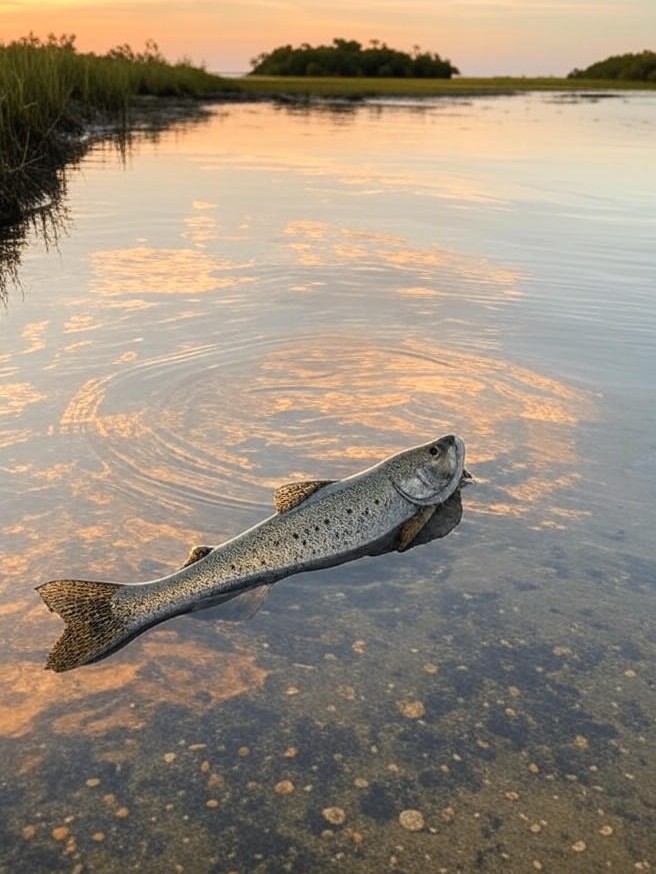
Nothing beats the thrill of hooking a feisty speckled trout in the shallow inshore waters, where the line sings and the fight pulls you into the rhythm of the tide. Speckled trout, also known as spotted seatrout, are a prized catch for anglers along the Gulf Coast and Atlantic seaboard, from Texas bays to Florida flats. These elusive fish thrive in brackish estuaries, marshes, and seagrass beds, offering year-round action but peaking in spring and fall when water temperatures align perfectly with their habits. For outdoor enthusiasts, pursuing speckled trout isn’t just about the fish—it’s about immersing yourself in coastal ecosystems, honing your skills against nature’s unpredictability, and creating stories around campfires. Whether you’re a seasoned pro or a weekend warrior, mastering inshore speckled trout tips can transform a simple outing into an epic adventure. These strategies focus on timing, technique, and respect for the environment, ensuring sustainable fishing that preserves these vibrant waters for future generations. With the right knowledge, you’ll navigate murky bays and crystal-clear shallows, landing trout that test your tackle and ignite your passion for the outdoors. Dive into these top 10 tips to elevate your game and make every cast count.
Top 10 Inshore Speckled Trout Tips
#1 Master the Tides
Tides are the heartbeat of inshore fishing, dictating when speckled trout feed aggressively. Incoming tides bring baitfish into shallows, making early rising water ideal for targeting trout near grass lines and oyster beds. Aim for the first two hours of an incoming tide, especially during new or full moons for stronger currents.
In locations like Texas’s Laguna Madre or Louisiana’s marshes, check tide charts via apps like Tides Near Me. Fish the outgoing tide later in the day when trout ambush prey retreating to deeper channels. Always prioritize safety by wearing a life jacket in tidal flows.
#2 Choose the Right Bait
Live shrimp and mullet mimic natural forage, drawing strikes from wary trout. Rig shrimp under a popping cork for shallow water presentations, letting it suspend near the surface where trout prowl. In fall seasons along the Southeast coast, finger mullet on a 1/0 circle hook excels during cooler months.
For artificials, soft plastics like paddle-tail grubs in chartreuse or natural shrimp colors work wonders. Match the hatch by observing local bait schools—trout key on what’s abundant. Avoid over-baiting to prevent gut-hooking, promoting ethical angling.
#3 Read the Water for Structure
Speckled trout hug structure like seagrass beds, docks, and drop-offs where ambush points abound. Look for color changes indicating depth shifts, especially in bays like Tampa Bay, Florida, during summer when trout school up.
Scan for birds diving or baitfish fleeing—these are trout dinner bells. Use polarized sunglasses to spot ‘trout signs’ like swirls or flashes in the water column. In murky conditions, common in post-rain Texas waters, rely on electronics like fish finders to pinpoint holding spots.
#4 Time Your Trips for Seasons
Spring and fall offer prime windows as trout migrate into shallower bays seeking warmer shallows. In the Gulf region, March through May sees spawning runs, with fish pushing into 2-4 feet of water. Winter fishing shines in southern latitudes like South Carolina, where trout stack in creeks.
Avoid summer midday heat; dawn and dusk patrols yield better results. Monitor water temps—trout prefer 68-78°F. Plan around local regulations, like Texas’s seasonal limits, to fish legally and sustainably.
#5 Hone Your Casting Technique
Accuracy trumps distance in tight inshore spots. Practice the sidearm cast to skim lures over grass without snagging, essential in Florida’s skinny waters. Use 7-8 foot medium-light spinning rods paired with 10-15 lb braided line for sensitivity.
Work lures with a twitch-pause retrieve to imitate injured bait. In windy conditions prevalent along the Atlantic, adjust your stance and use heavier sinkers. Consistent practice on the cast builds confidence for those heart-pounding moments.
#6 Gear Up Smartly
Essential kit includes corrosion-resistant reels, fluorocarbon leaders (20 lb test) to handle toothy mouths, and pliers for hook removal. Pack a cooler for fresh catches and a stringer for limits. In saltwater environments, rinse gear post-trip to prevent rust.
For mobility, a flats boat or kayak suits inshore pursuits—consider push poles for stealthy poling in shallows. Don’t forget sunscreen, bug spray, and a VHF radio for safety in remote areas like Alabama’s Mobile Bay.
#7 Understand Weather Impacts
Overcast days fire up trout activity, reducing light penetration and spooking less. Prefrontal fronts in fall bring feeding frenzies, but watch for sudden squalls. In the Southeast, hurricanes can alter salinity, pushing trout to fresher inflows.
Check forecasts via NOAA apps; fish early before wind picks up. Stable pressure systems post-front often mean consistent bites. Always have an exit plan—tides and weather can turn quickly.
#8 Practice Catch and Release
To sustain populations, wet hands before handling and use barbless hooks for quick releases. Revive fish by holding them upright in current until they swim away strong. This is crucial in overfished areas like Louisiana’s coast.
Target slot-sized trout (15-25 inches) for trophies, releasing breeders. Log your catches in apps like Fishbrain to contribute to conservation data. Ethical practices ensure future outings.
#9 Scout Prime Locations
Focus on passes and cuts during migrations, like Oregon Inlet in North Carolina. Local knowledge from bait shops beats maps—join fishing forums for insider spots. In Texas, the Intracoastal Waterway holds consistent action year-round.
Explore tidal creeks at low tide to map ambush points for high water returns. Respect private land; obtain access permits where needed. Variety keeps fishing fresh across regions.
#10 Stay Legal and Safe
Know bag limits—often 5 fish per day at 15-25 inches in many states—and purchase saltwater licenses online. Report violations to protect habitats. Carry first-aid kits for hooks or jellyfish stings common in inshore zones.
Fish with a buddy system, especially at dawn in alligator-prone marshes. Hydrate and monitor for heat exhaustion. Compliance builds a responsible angling community.
Key Takeaways
- Always check local regulations and obtain necessary fishing licenses to avoid fines and support conservation.
- Prioritize safety with life jackets, weather apps, and a charged phone or radio for emergencies in tidal waters.
- Pack versatile gear like braided line, popping corks, and soft plastics tailored to inshore conditions.
- Plan trips around tides and seasons for higher success rates, using free apps for real-time data.
- Practice catch and release techniques to preserve speckled trout populations for sustainable fishing.
- Invest in quality polarized glasses and a fish finder to read water effectively in varying visibilities.
- Connect with local bait shops or clubs for tips and to foster a supportive outdoor community.
How to Get Started
Begin by researching your nearest inshore fishery through state wildlife websites or apps like Navionics for charts. Invest in a basic spinning setup under $200 and practice casts in a park. Book a half-day guide trip—many offer beginner-friendly outings for $300-500—to learn tides and spots hands-on. Join online forums like Speckled Trout Anglers for advice. Start small: hit a local bay at dawn with live shrimp, log your results, and build from there. With patience and these tips, you’ll soon be landing trout and loving every minute on the water.