
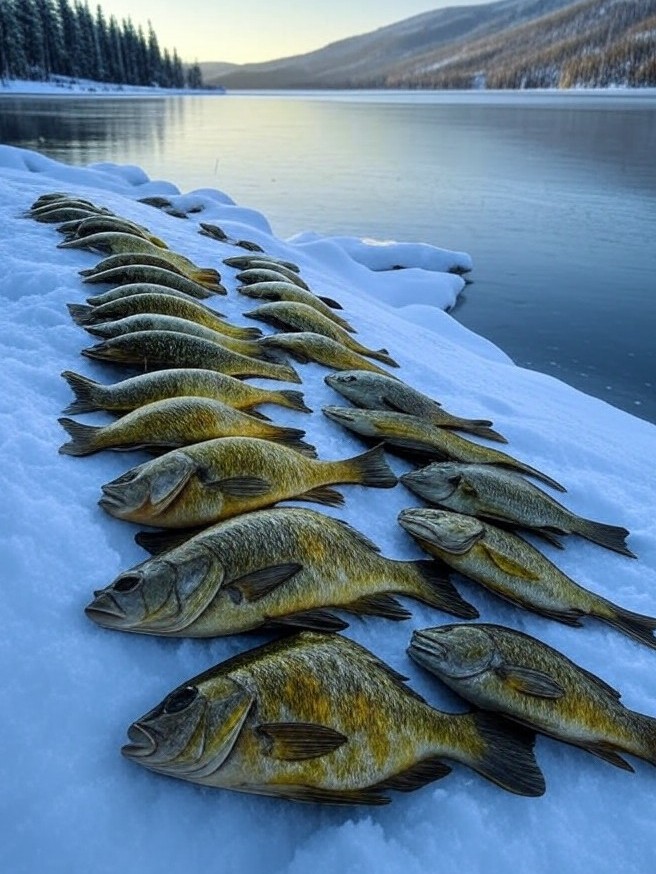
Winter’s chill transforms lakes into frozen playgrounds for ice anglers, and few pursuits capture the thrill quite like targeting bluegill through the ice. These panfish, with their feisty fights and delicate flavors, offer a rewarding challenge for beginners and veterans alike. But success hinges on the right bait—those tiny, enticing offerings that mimic the bluegill’s natural forage in the cold depths. Ice bluegill baits aren’t just hooks and worms; they’re precision tools tailored to the sluggish winter movements of these sunfish, often suspended just off the bottom in 5-15 feet of water.
Why does this matter to outdoor enthusiasts? Ice fishing bluegill democratizes the sport: it’s accessible, requiring minimal gear, and yields quick action on even the toughest days. A well-chosen bait can turn a slow bite into a limit, fostering that deep connection with nature’s quiet season. From natural live options like waxworms that pulse with life to artificial jigs that dart enticingly, the variety ensures versatility across conditions—clear ice, stained water, or low light. As climate shifts alter ice formation, mastering these baits becomes essential for safe, sustainable angling. Whether you’re drilling holes on a northern Minnesota lake or a Midwest pond, selecting the top ice bluegill baits elevates your experience, blending strategy, patience, and the pure joy of landing a ‘gill on a frigid morning. Dive into our top 10 picks, complete with tips to hook more fish this season.
Top 10 Ice Bluegill Baits
#1 Waxworms
Waxworms, the larvae of wax moths, reign supreme for ice bluegill due to their lively wriggle and high protein appeal. Thread one or two onto a small #10 or #12 hook under a light bobber, and watch bluegill inhale them from inches away. They’re especially effective in 8-12 feet of water during early ice-up, when bluegills school tightly near weed edges.
Pro tip: Keep waxworms chilled in your bait bucket to maintain their vigor; a lively worm outfishes a sluggish one every time. In clearer lakes like those in Wisconsin, pair with a tiny split shot for subtle presentation. Expect limits on days when other baits fail—their scent trail draws curious ‘gills from afar.
#2 Small Fathead Minnows
These hardy minnows, about 1-2 inches long, imitate the small forage fish bluegills ambush in winter. Hook them lightly through the lips on a #8 gold hook and suspend under a slip bobber at half the water column depth. Ideal for mid-season ice on larger lakes in Michigan, where bluegills roam deeper basins.
Minnows excel in low-light conditions, like dawn or dusk, as their natural movement triggers strikes from lethargic fish. Tip: Use a stinger hook for short-biters, and refresh minnows every 30 minutes to keep them kicking. Sustainable sourcing from bait shops ensures healthy stock—avoid wild capture to protect ecosystems.
#3 Spikes (Maggots)
Spikes, or maggots, offer a budget-friendly, ultra-realistic option with their squirmy action and milky scent. Cluster 3-5 on a #12 hook beneath a small float for finesse fishing in shallow bays, perfect for late ice in Iowa ponds when bluegills push toward shore.
They’re forgiving for novices: even a still presentation works in cold fronts. Store in moist sawdust to prevent drying, and use fluorocarbon line (2-4 lb test) for invisibility in gin-clear water. Bluegills can’t resist the protein punch, often leading to rapid-fire bites.
#4 Tungsten Jigs with Soft Plastics
Tungsten’s density allows tiny 1/32 oz jigs to sink fast, tipped with Gulp! Minnow Heads or similar soft plastics for scent and quiver. Jig vertically over structure like drop-offs in 10-20 feet, a staple for Ontario’s hardwater scene.
Season note: Prime in stable ice periods; the quick drop mimics injured prey. Vary retrieves—subtle lifts provoke finicky ‘gills. Pair with an underwater camera for real-time adjustments, boosting your hook-up ratio significantly.
#5 Ice Flies (Marabou Jigs)
These feather-tailed jigs, in pink or chartreuse, flutter like emerging insects, fooling bluegills in weedy flats. Use a 1/64 oz size on 4 lb mono, twitching lightly to stir the marabou—effective year-round but shines during thaws in Minnesota.
The key is finesse: overworking scares spooky fish. Add a waxworm trailer for extra allure. In stained water, glow versions extend fishing into evenings, turning average outings into banner days.
#6 Crappie Nibbles
These scented dough balls from Berkley pack punch in a compact form, molded onto a plain #10 hook for still-water presentations. Great for kids or beginners on small lakes in Illinois, targeting bluegills in 5-8 feet near docks.
Durable and mess-free, they last through multiple fish. Tip: Re-scent with attractant mid-day. They’re versatile across seasons, but avoid windy days when scent disperses too quickly—focus on sheltered coves for best results.
#7 Micro Swimbaits
Tiny 1-inch swimbaits like the Northland Buck-Shot Rattle Spoon mimic schooling baitfish with a subtle tail kick. Rig on a 1/16 oz jighead and swim slowly over basins in deeper waters, ideal for late-winter Nebraska reservoirs.
The built-in rattle calls distant ‘gills; use in murky conditions for maximum effect. Safety note: Check ice thickness before venturing out—pair with a spud bar. This bait’s action shines with a rod tip quiver, landing trophy slabs.
#8 Red Worms
Nightcrawler segments or red worms provide natural wriggle and earthiness, hooked singly on a #12 baitholder. Suspend in 6-10 feet over mud flats, a go-to for early season in Wisconsin’s flowages when ice is 4-6 inches thick.
They’re resilient in cold, holding up to nibbles. Pro advice: Use a small split shot to control drift, and fish near inflows for active schools. Eco-friendly and easy to raise at home, they connect you to traditional angling roots.
#9 Glow Jigs
UV or glow-painted micro jigs (1/64 oz) charge under light, glowing to attract in low-vis water. Tip with a spike and jig erratically near cribs—perfect for night fishing on Great Lakes bays during full moons.
Charge periodically with a headlamp. In deep, clear lakes, they outperform non-glow by drawing ‘gills upward. Always carry a thermos for warmth; extended glow sessions demand vigilance against hypothermia.
#10 Mousies (Rat-Tailed Maggots)
These tough larvae wiggle aggressively, threaded on a #10 hook for lively action in 7-12 feet. Excel in pressured waters like urban ponds in Ohio, where bluegills wise up to common baits.
The tail breathing adds realism—let it pulse naturally. Store in fridge for longevity. Late ice favorite, but scout for weak spots; their durability means fewer re-baits, keeping focus on the fun.
Key Takeaways
- Always check local ice reports and thickness (at least 4 inches for walking) before heading out—carry a spud and rope for safety.
- Select baits based on water clarity: natural for clear, scented/artificial for stained conditions to match bluegill behavior.
- Use light tackle (2-6 lb line, short rods) to detect subtle bites; bundle up with layered clothing and insulated boots.
- Obtain necessary permits and follow bag limits—sustainable practices ensure future trips.
- Plan for 1-2 inches of auger extension per hole; bring a heater for comfort on multi-hour sessions.
- Monitor weather shifts; thaws can weaken ice—have an exit plan and fish with a buddy.
- Store baits properly (chilled, moist) to maintain effectiveness; experiment with combinations for personalized success.
How to Get Started
Begin by gathering essentials: an ice auger, tip-ups or jig rods, and a selection of the top baits like waxworms and tungsten jigs from your local tackle shop. Research nearby lakes via apps like Fishbrain for bluegill hotspots, ensuring at least 4 inches of ice via DNR reports. Start simple—drill 4-6 holes in 8-12 feet over structure, bait up, and watch your electronics or bobbers. Practice finesse jigging at home to build feel. Join a local ice fishing club for guided outings, and always prioritize safety with a flotation suit and emergency kit. Your first bluegill haul awaits—embrace the winter wonder and hook into the action today!