
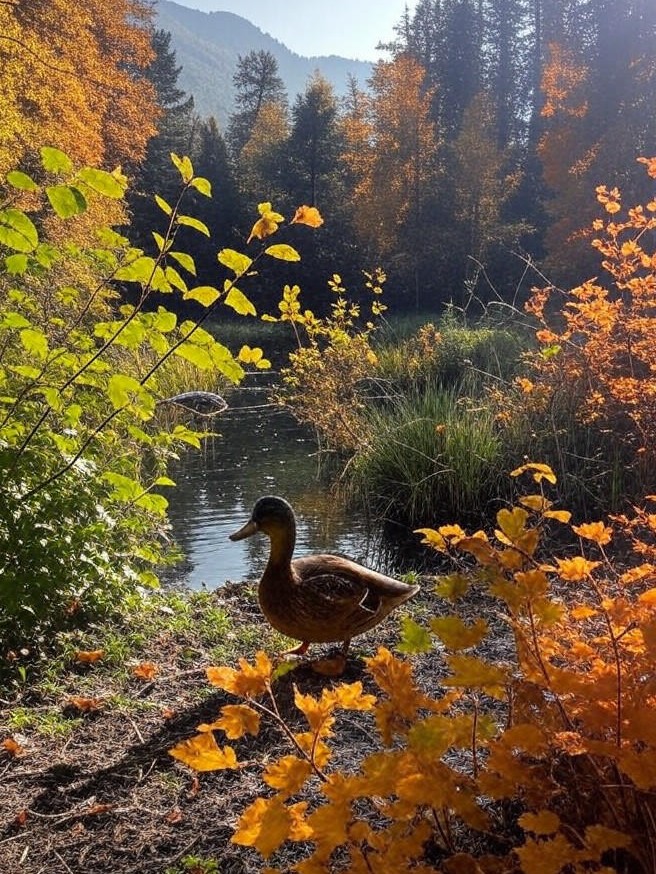
As the leaves turn and the crisp autumn air beckons, duck hunting offers outdoor enthusiasts a profound opportunity to connect with nature while cultivating gratitude. But what if we infused this timeless pursuit with a theme of thankfulness? ‘Gratitude Duck Hunt Tips’ reimagines the hunt not just as a test of skill and patience, but as a mindful practice that deepens appreciation for the wild, the company we keep, and the bounty of the land. In a world that often rushes by, this approach encourages hunters to pause, reflect, and give thanks for the rhythms of the seasons, the flight of migratory birds, and the ethical harvest that sustains us.
Why does this matter? For outdoor lovers, duck hunting is more than bagging limits—it’s about stewardship and serenity. Incorporating gratitude transforms the experience, fostering mental resilience against the unpredictability of weather and wildlife. It reminds us to honor conservation efforts, like wetland preservation, which ensure future hunts. Whether you’re a seasoned waterfowler or a newcomer, these tips blend practical hunting advice with reflective practices, making each outing a journey of growth. Around Thanksgiving, when gratitude is in the air, this theme aligns perfectly with family traditions, turning a solo stalk into shared stories of abundance. Embrace it to elevate your hunts, leaving the blind not just with ducks, but with a fuller heart and sharper senses attuned to nature’s gifts. (178 words)
Top 10 Gratitude Duck Hunt Tips
#1 Begin with a Pre-Hunt Gratitude Ritual
Start your day by jotting down three things you’re thankful for in your hunting life—perhaps the dawn chorus or a reliable decoy spread. This sets a positive tone, reducing pre-hunt jitters and sharpening focus. In duck hunting, where patience is key, this ritual grounds you, making you more observant of subtle signs like feeding patterns in nearby marshes.
Try it during the early teal season in September, when birds are plentiful in the Midwest’s shallow wetlands. No special gear needed beyond a notebook, but pair it with a thermos of coffee for that extra warmth of appreciation.
#2 Scout Mindfully and Give Thanks for the Land
Approach scouting as an act of reverence: walk wetlands slowly, noting beaver dams or migratory flyways, and verbally thank the ecosystem for its generosity. This builds awareness of duck behavior, like how wood ducks favor wooded sloughs in fall.
In regions like the Mississippi Flyway, permits are essential—check state regs for public lands. Gratitude here means picking up litter, preserving habitats for generations. It’s practical too: better scouting yields higher success rates without over-relying on tech.
Season tip: Late October in the South, when mallards push through, rewards this patient prep.
#3 Choose Ethical Decoys with Intention
Select decoys that mimic local species accurately, expressing thanks for the craftsmanship behind them. A dozen motion decoys can draw pintails from afar, but reflect on how they honor the birds’ natural grace rather than deceive.
Gear up with biodegradable stakes to minimize impact. In coastal areas like Chesapeake Bay, during November’s peak, this setup shines under low-light conditions. Safety note: Ensure decoys are visible to avoid boating hazards.
#4 Share the Blind with Loved Ones
Invite family or friends, turning the hunt into a communal gratitude circle—discuss past successes or nature’s beauty while waiting for flights. This builds bonds, especially for youth hunters learning call techniques for gadwalls.
In family-friendly states like Texas, youth seasons in November offer low-pressure intros. Pack shared snacks as tokens of thanks, but keep noise low to respect the quiet thrill of incoming ducks.
It matters for safety too: more eyes spot dangers like thin ice on northern ponds.
#5 Harvest with Humility and Quick Dispatch
When a duck folds, approach with thanks for its life, using swift, humane methods like a follow-up shot or cervical dislocation. This respects the animal, aligning with fair-chase ethics.
Post-harvest, field-dress promptly to preserve meat quality—ideal for wigeon, which shine in gumbo. In Pacific Flyway hunts around December, cold weather aids preservation. Always tag and report as per regulations.
#6 Prepare Meals as an Act of Thanksgiving
Back home, cook your harvest with intention, thanking each ingredient from wild rice to foraged herbs. A simple roast teal with apples highlights the bird’s flavor, shared around the table.
This tip extends the hunt’s joy into winter, perfect after December hunts in the Great Lakes region. Use non-lead shot only, as required in many areas, to safeguard the table’s future bounty.
#7 Respect Wildlife and Non-Target Species
Practice selective shooting, giving thanks by passing on out-of-range or protected birds like swans. This conserves biodiversity, crucial in fragile habitats.
In California’s Central Valley, during February’s late season, binoculars help identify species. Join a conservation group like Ducks Unlimited for guided tips—it’s a grateful nod to collective efforts.
#8 Gear Up with Purposeful Gratitude
Before suiting up, thank your waders and calls for their role in the adventure. Quality gear like breathable camo prevents discomfort in rainy Pacific Northwest hunts.
Check for wear: faulty blinds can fail in wind. November’s stormy fronts in the East demand reliable items—invest wisely as an act of self-care and respect for the pursuit.
#9 Embrace Weather as a Teacher
When fronts stall flights, express thanks for the lesson in adaptability—use it to refine blind setups. Ducks love pressure systems; gratitude turns delays into opportunities.
In the Northeast’s December cold snaps, layer with wool for safety against hypothermia. Monitor forecasts via apps, but unplug to savor the raw elements.
#10 End with Reflective Debrief
Post-hunt, journal what you’re grateful for—the camaraderie, a clean miss that spared a bird, or the sunset over the decoys. This cements lessons for next time.
Ideal after full-moon hunts in the South, when visibility aids ethics. Share stories online responsibly, inspiring others without spoiling spots.
Key Takeaways
- Always secure hunting licenses and follow bag limits to ensure sustainable practices and avoid fines.
- Wear blaze orange or flotation gear near water for visibility and safety against accidents.
- Pack essentials like first-aid kits, GPS, and non-toxic ammo to handle emergencies in remote areas.
- Plan routes considering weather and tides, especially in coastal hunts, to prevent stranding.
- Engage local guides or apps for current conditions, enhancing both success and gratitude for shared knowledge.
- Conserve energy with layered clothing and hydration to maintain focus during long stands.
- Post-hunt, clean gear promptly to prevent mold and extend its life with thankful maintenance.
How to Get Started
To launch your gratitude-infused duck hunt, first assess your skill level and local regulations via your state’s wildlife agency website—secure stamps for migratory birds. Invest in basics: a 12-gauge shotgun, calls, and waders, starting under $500. Join a hunter education course if new, emphasizing ethics. Scout public lands like national wildlife refuges in fall, noting access points. Schedule your first outing during early season for milder weather, inviting a mentor. Track progress in a journal, blending hunt logs with gratitude notes. Over time, this builds not just prowess, but a deeper connection to the outdoors—book that trip and let thankfulness guide your aim.