
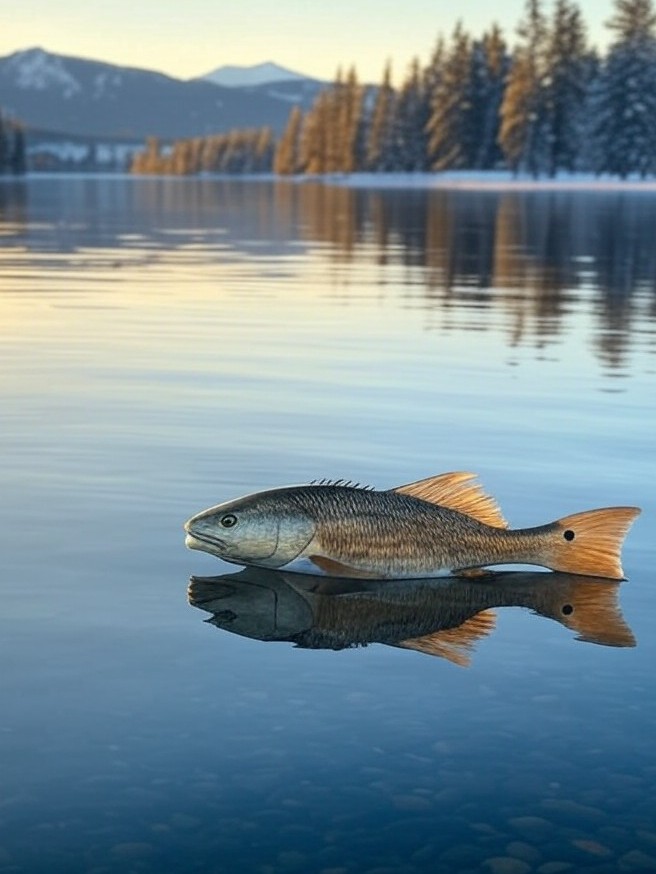
As winter tightens its grip on coastal waters, February emerges as a prime time for targeting redfish, or red drum, in the southern United States. These hardy fish thrive in the cooler temperatures, often staging in shallow bays, marshes, and estuaries where water temps hover between 50-65°F. For outdoor enthusiasts, this season offers a unique blend of solitude and challenge—fewer crowds mean more opportunities to sight-fish for tailing reds pushing through grass flats. But success hinges on the right lures that mimic the sluggish prey in chilly waters, like shrimp, mullet, and crabs that redfish key in on during their pre-spawn movements.
Why focus on lures in February? Cold fronts can scatter fish, but versatile presentations cut through murky, low-visibility conditions common after winter rains. From Texas Gulf Coast to Florida’s Indian River Lagoon, anglers report trophy reds up to 30 inches hitting soft plastics and spoons that sink slowly and flutter enticingly. Selecting the top lures isn’t just about catching fish; it’s about respecting the ecosystem—using lead-free options and practicing catch-and-release for slot-sized breeders. This guide curates the 10 best February redfish lures, backed by pro tips from seasoned guides. Whether you’re wading skinny waters or casting from a kayak, these picks will arm you for memorable battles against these bronze-backed warriors. Dive in, tie on, and embrace the winter redfish rush that keeps saltwater addicts hooked year-round.
Top 10 February Redfish Lures
#1 Gulp! Alive! Shrimp
The Berkley Gulp! Alive! Shrimp tops our list for its scent-infused soft plastic that outshines live bait in cold water. In February, redfish’s metabolism slows, making them lazy hunters; the Gulp!’s biodegradable formula releases attractants that draw strikes from afar. Rig it weedless on a 1/4-oz jighead for Texas bays like Galveston, where reds cruise oyster bars.
Tip: Use natural shrimp colors like new penny or molting in stained water. Fish it with a slow retrieve or hop along the bottom—expect hookups in 2-4 feet of depth during incoming tides. Always check local regs for slot limits (e.g., 20-28 inches in Louisiana).
#2 DOA Shrimp
A staple for sight-fishing, the DOA Shrimp excels in clear February shallows from Florida to South Carolina. Its curly tail and lifelike action mimic fleeing shrimp, perfect for tailing reds in grass flats. The 3-inch version on a 1/8-oz red jighead sinks slowly, matching the sluggish prey movement in 55°F waters.
Pro anglers swear by chartreuse or glow variants post-cold front. Cast ahead of cruising fish and twitch gently; pair with polarized glasses for spotting. Safety note: Wear waders with cleats to avoid slips on oyster shells.
In locations like the Space Coast, target high tides when reds push into mangroves—yields can hit 10-15 fish per outing.
#3 Johnson Silver Minnow Spoon
Classic and deadly, the Johnson Silver Minnow spoon wobbles erratically, imitating injured baitfish that redfish ambush in winter. At 1/2-oz, it casts far into windy February conditions along the Georgia coast, where schools hold near drop-offs.
Chrome or gold finishes flash in low light; weedless design prevents snags in spartina grass. Retrieve with long pauses to let it flutter—ideal for bull reds over 25 inches. Check for permits if fishing public waters like Altamaha River.
#4 Z-Man DieZel MinnowZ
For deeper channels in cooler months, the Z-Man DieZel MinnowZ offers durability with its ElaZtech material that withstands toothy reds. The 4-inch paddle tail vibrates subtly, enticing lethargic fish in 5-8 feet off Mississippi’s barrier islands.
Rig on a 3/8-oz football jighead in root beer color for muddy bottoms. Slow-roll it near structure; this lure shines during outgoing tides when reds feed aggressively. Eco-tip: Its toughness reduces litter—great for sustainable angling.
February’s full moons amplify bites; plan trips around new or full phases for best results.
#5 MirrOlure MirrOdine Suspending Twitchbait
The MirrOlure MirrOdine suspends perfectly at mid-depths, jerking to life with twitches that trigger reaction strikes from spooky February reds in Florida’s Everglades. Its 4-inch size and realistic scaling match mullet schools wintering in canals.
Use bone or mullet patterns; the internal weight shifts for a wounded baitfish shimmy. Fish it solo or under a popping cork for added noise. Local advice: Avoid peak cold snaps below 50°F when reds go dormant.
#6 Rat-L-Trap Lipless Crankbait
When reds school up in open flats, the Bill Lewis Rat-L-Trap rattles loudly to call them from distance—a February game-changer in windy Texas lagoons like Laguna Madre. The 1/2-oz model vibrates intensely, ideal for covering water quickly.
Redhead or sexy shad colors work in clear to stained conditions; yo-yo retrieve over grass. Watch for snags and use braided line for sensitivity. Safety: Life jackets mandatory on boats in choppy bays.
Harvest limits vary—e.g., five fish daily in Florida—so measure keepers on-site.
#7 Weedless Gold Spoon
The Acme Kastmaster’s weedless cousin, this gold spoon flutters downcurrent, mimicking crabs scuttling in marshes. Perfect for skinny water in Louisiana’s Chandeleur Islands during February’s mild spells.
At 1/4-oz, it skips across flats; nylon weedguard keeps it snag-free. Slow sweep retrieves provoke slashes from slot reds. Pair with knee boots for wading; check tides via apps like Tides Near Me.
#8 Hogy Epoxy Jig
Handcrafted for toughness, the Hogy Epoxy Jig with a 5-inch paddle tail swims through February’s tough conditions in North Carolina sounds. The epoxy coating endures multiple fights, targeting reds holding in creeks.
Pearl or motor oil colors glow subtly; 1/4-oz head for vertical jigging. Tip: Add scent for extra pull in 60°F transitions. Community note: Join local forums for hot spots like Core Sound.
Fish dawn or dusk to avoid midday sun—UV protection essential.
#9 Popping Cork with Live Shrimp Imitation
Though not a single lure, the Cajun Thunder popping cork rigged with a soft shrimp imitation creates explosive surface action for bull reds in Alabama’s Mobile Bay. The pop draws attention in shallow February haunts.
Use 3-foot leader with 1/0 circle hook; chartreuse cork for visibility. Cast and pop rhythmically—mimics shrimp fleeing. Regs: Saltwater license required; release oversize breeders gently.
#10 Clouser Minnow Fly
For fly anglers, the Clouser Minnow in olive and white dives to 4 feet, pulsing like a fleeing minnow in Virginia’s Chesapeake tributaries. February’s calm winds favor 7-weight rods for casting to sighted reds.
Tie on #2 hook with dumbbell eyes; strip retrieve with pauses. Ideal for DIY types—source materials affordably. Safety: Know hypothermia signs in cold wades; dress in layers.
Locations like Lynnhaven Bay peak mid-month; scout via Google Earth.
Key Takeaways
- Always verify local fishing regulations, including size and bag limits, via state wildlife apps to ensure sustainable practices.
- Layer clothing for variable February weather—wetsuits or drysuits for wading in 50°F waters to prevent chills.
- Opt for circle hooks to minimize deep hooking and promote quick releases, especially for trophy redfish.
- Check tide charts and moon phases; incoming tides during new moons often yield the hottest February bites.
- Carry pliers, bolt cutters, and a measuring board as essential gear for safe handling and compliance.
- Respect no-wake zones in sensitive marshes to protect habitats and avoid fines.
- Practice leave-no-trace: Pack out trash and use biodegradable lures where possible.
How to Get Started
To kick off your February redfish adventures, start by obtaining a valid saltwater fishing license through your state’s online portal—most are $10-50 annually. Scout local spots via apps like Fishbrain or Navionics for February hotspots, focusing on protected bays south of the 32nd parallel where water stays mild. Invest in a versatile rod (7-7’6″ medium-heavy spinning) spooled with 20-30 lb braid for sensitivity in grass.
Gather your top lures from retailers like Bass Pro Shops, prioritizing scent-enhanced soft plastics. Book a half-day guide if new to the area—they’ll teach sight-fishing nuances for $300-500. Finally, join online communities like Redfish Sportsman forums for real-time reports. Hit the water at first light, stay patient with slow retrieves, and you’ll soon be battling reds. Remember, the thrill is in the pursuit—tight lines!