
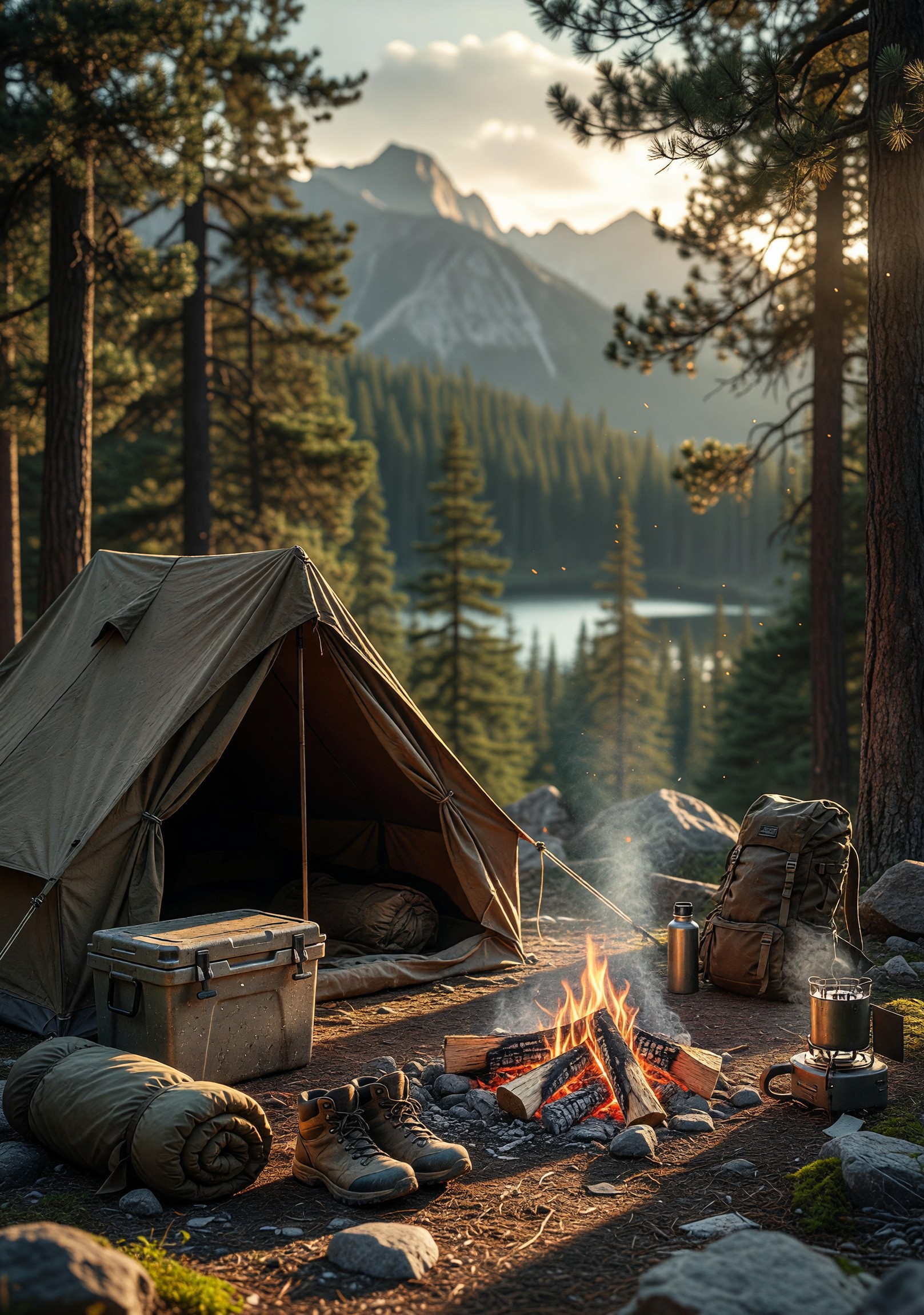
Family camping is one of the most rewarding ways to connect with nature and create lasting memories with your loved ones. Whether you’re pitching a tent in a lush national park or setting up by a serene lakeside, having the right gear ensures a safe, comfortable, and enjoyable experience for everyone, especially kids who might be new to the outdoors. The key to successful family camping lies in selecting essentials that prioritize durability, ease of use, and versatility across seasons and terrains. From protecting against the elements to keeping little ones entertained, thoughtful gear choices can turn potential mishaps into magical adventures.
With families in mind, this list focuses on practical items that balance functionality with fun. Consider factors like weather conditions—rain gear for wet seasons or sun protection for summer—and location specifics, such as bear-proof storage in wildlife areas. Investing in quality pieces not only enhances safety but also encourages repeat trips, fostering a love for the outdoors. Always check park permits and local regulations before heading out, and pack with an eye toward minimal environmental impact. By equipping yourself with these top 10 family camping gear essentials, you’ll be ready to unplug, explore, and bond under the stars.
Top 10 Family Camping Gear Essentials
#1 Spacious Family Tent
A reliable family tent is the cornerstone of any camping setup, providing shelter from rain, wind, and bugs while offering enough room for everyone to spread out. Look for models with at least two rooms or a large vestibule, accommodating 4-6 people comfortably, like the Coleman Skydome or REI Co-op Kingdom series. These tents often feature easy-setup poles and waterproof coatings rated for heavy rain.
For family trips, prioritize tents with high ceilings for kids to stand and play inside during storms. In cooler seasons like fall, choose insulated options; in summer, opt for mesh panels for ventilation. Always practice pitching it at home to avoid setup struggles at dusk in places like Yellowstone National Park.
#2 Comfortable Sleeping Bags
Sleeping bags tailored to family needs ensure restful nights, crucial for keeping energy high during daytime adventures. Select bags with temperature ratings matching your destination—30°F for mild spring camps or 0°F for winter outings. Synthetic fills are great for damp conditions, while down offers lightweight warmth for backpacking families.
Kids’ bags should be shorter and fun-colored to excite young campers, and include liners for extra hygiene. Pair with a hood for head warmth, and remember to air them out post-trip to maintain loft. In humid areas like the Everglades, choose quick-drying models to prevent mold.
For multi-season use, rectangular bags allow kids to zip together for shared warmth, promoting family closeness.
#3 Insulated Sleeping Pads
Sleeping pads add insulation and cushioning between you and the ground, preventing cold nights and sore backs—essential for families with picky sleepers. Self-inflating pads like the Therm-a-Rest BaseCamp provide R-values of 4-6 for year-round comfort, while foam pads are durable and kid-friendly for rough play.
Choose thicknesses of at least 2 inches for little ones to avoid feeling the hard earth. In rocky terrains like the Rockies, thicker pads protect against uneven surfaces. Pack repair kits for punctures, and for car camping, inflate easily with built-in pumps to save energy after a day of hiking.
#4 Portable Cooler
A sturdy cooler keeps food fresh and safe, preventing spoilage in warm weather and allowing for home-like meals. Opt for wheeled models with 50-70 quart capacities, like the Yeti Roadie or Igloo MaxCold, featuring thick insulation for 5+ days of ice retention.
For families, include dividers for organizing snacks and meals; bear-proof locks are vital in wildlife zones like national forests. Use block ice over cubes for longer cooling, and drain water daily to maintain efficiency. In hot summer spots, pair with frozen water bottles for dual hydration.
#5 Camp Stove and Cookware Set
A compact camp stove simplifies meal prep, turning camping into a culinary adventure without relying on campfires, which may be restricted in dry seasons. Two-burner propane stoves like the Coleman Classic offer even heating for family-sized pots, with windshields for outdoor stability.
Include a lightweight cookware set with non-stick pans, pots, and utensils safe for kids to help with. For backpacking, go ultralight with jetboil systems. Always store fuel separately per regulations, and practice safe operation to avoid burns—crucial in crowded sites like state parks.
Tip: Pre-plan no-cook options like sandwiches for quick setups in rainy conditions.
#6 LED Lanterns and Headlamps
Reliable lighting extends evenings for storytelling and safety during nighttime bathroom runs. Hanging LED lanterns with 300+ lumens, such as the Black Diamond Moji, provide ambient glow for the tent, while adjustable headlamps free hands for tasks.
Family packs often include kid-sized versions with fun colors and lower brightness to avoid overwhelming young eyes. Rechargeable batteries are eco-friendly for extended trips; carry extras for remote areas without outlets. In pitch-black forests, these prevent trips and enhance security.
#7 Comprehensive First Aid Kit
A well-stocked first aid kit is non-negotiable for handling scrapes, allergies, or emergencies, giving parents peace of mind. Build or buy kits with bandages, antiseptics, tweezers for splinters, and child-specific meds like fever reducers, plus EpiPens if needed.
Customize for your family’s health—include motion sickness remedies for winding drives to campsites. Waterproof cases protect against rain, and include a manual for basic CPR. In remote spots like the Grand Canyon, know evacuation routes and carry a whistle for signaling.
Regularly check expiration dates before each outing.
#8 Bug Spray and Sunscreen
Protecting skin from insects and UV rays keeps the fun going without itchy distractions or burns. DEET-based sprays (20-30% for families) and mineral sunscreens (SPF 50+) in family sizes, like those from Sawyer or Neutrogena, are must-haves.
Apply generously before hikes, reapplying after swimming in lakes. For sensitive kids, choose natural options like picaridin. In mosquito-heavy summers at places like the Boundary Waters, combine with bug nets; always rinse off post-trip to avoid residue buildup.
#9 Water Bottles and Purification System
Staying hydrated is key, especially for active families, so insulated bottles like Hydro Flasks keep drinks cold, and purification tablets or filters (e.g., LifeStraw) make stream water safe.
Aim for one liter per person daily, plus extras for cooking. Collapsible bottles save space in packs. In arid deserts or during heatwaves, prioritize this to prevent dehydration—filter before drinking from natural sources to avoid giardia.
For groups, a large communal jug with spigot simplifies refills at base camp.
#10 Family Games and Entertainment
To combat downtime or rainy days, pack lightweight games like card decks, travel board games, or nature journals to spark creativity and bonding. Items such as Uno, frisbees, or binoculars for stargazing keep kids engaged without screens.
Choose durable, weather-resistant options for outdoor use. In longer trips to places like the Smoky Mountains, these prevent boredom and encourage family stories. Include books on local wildlife to educate and excite young explorers.
Key Takeaways
- Always prioritize safety by checking weather forecasts and obtaining necessary permits for camping sites.
- Choose gear sized for your family to ensure comfort and avoid overcrowding in tents or seating.
- Pack layers for variable conditions, focusing on quick-dry fabrics for kids prone to spills.
- Maintain Leave No Trace principles by using trash bags and cleaning up to preserve natural areas.
- Test all gear at home to familiarize everyone, reducing setup stress on the trip.
- Include emergency contacts and a basic map in your kit for off-grid adventures.
- Budget for quality over quantity—durable essentials last multiple seasons and save money long-term.
How to Get Started
Begin by assessing your family’s needs: consider ages, trip length, and destination type (car camping vs. backpacking). Start small with a weekend trip to a nearby state park to test gear without overwhelming logistics. Shop at outdoor retailers like REI for hands-on advice, or online for reviews—look for warranties and return policies.
Create a packing checklist based on this list, involving kids to build excitement. Take a family gear maintenance workshop or watch tutorials for safe use, like stove operation. For your first outing, aim for mild weather and family-friendly sites with amenities. Track what works and adjust for future trips, gradually building confidence in the wilderness.