
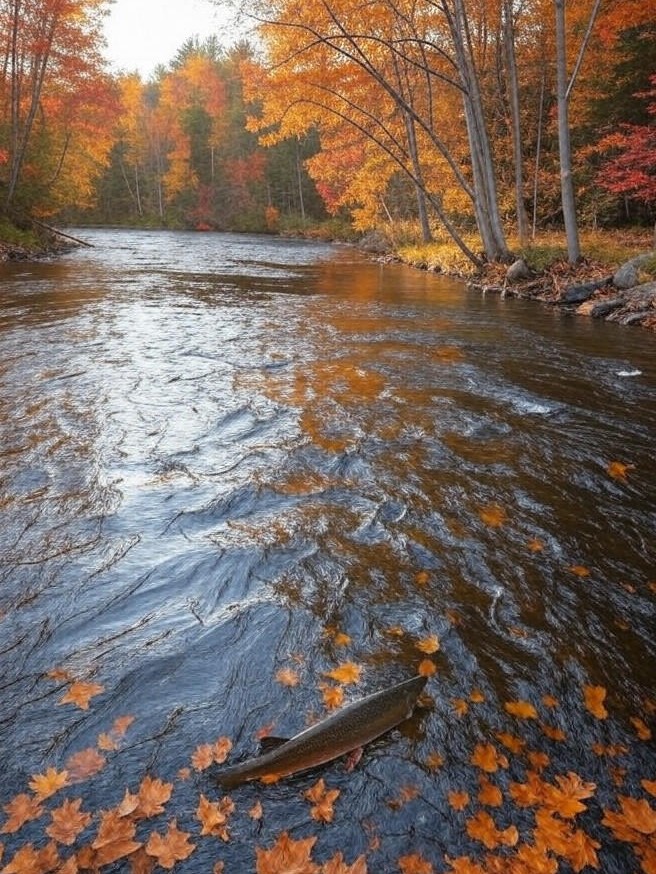
As the leaves turn vibrant shades of red and gold, fall beckons outdoor enthusiasts to the rivers where steelhead begin their epic upstream journeys. Steelhead, the sea-run rainbows renowned for their acrobatic fights and silvery sheen, make autumn one of the most exhilarating times for fly fishing. Targeting them with the right flies isn’t just about technique—it’s about understanding the seasonal shifts in water conditions, bug hatches, and fish behavior. Fall steelhead flies are designed to mimic the eggs, leeches, and baitfish that these powerful fish crave as they push against cooling currents, often in rivers like the Salmon, Deschutes, or Great Lakes tributaries.
Why does this matter? For novices and veterans alike, fall steelhead fishing offers a thrilling challenge that sharpens skills and connects you to nature’s rhythm. The crisp air, fewer crowds than summer, and the anticipation of a strike from a 10-pound steelhead create unforgettable adventures. Selecting the top flies ensures you’re equipped for success, whether swinging streamers in high water or dead-drifting nymphs in slower runs. In this guide, we’ll dive into the top 10 must-have patterns, complete with tying tips, presentation advice, and why they shine in autumn. Remember, always check local regulations for permits—many states require steelhead stamps—and respect catch-and-release practices to sustain these iconic runs. Gear up with a 7-8 weight rod, floating or sink-tip line, and leader in the 10-12 pound range to handle the power. Fall fishing demands patience, but the rewards—a bent rod and a story to tell—are priceless.
Top 10 Fall Steelhead Flies
#1 Egg Sucking Leech
This classic pattern imitates a leech with an egg cluster, perfect for fall when steelhead are egg-hungry post-spawn. Tie it with a black ostrich plume body, red chenille for the ‘egg,’ and a size 4-6 hook. In rivers like the Rogue in Oregon, swing it through tailouts during October’s high flows for aggressive takes.
Tip: Use a sink-tip line to get it down 3-5 feet; strip retrieve erratically to trigger strikes. It’s versatile for murky water and has landed trophy steelhead for decades.
#2 String Leech
A slender, articulated leech fly that dances in the current, the String Leech excels in fall’s variable conditions. Use purple or black rabbit strips on a #2 hook with bead chain eyes for weight. Ideal for Great Lakes steelhead runs in November, where it provokes vicious slashes.
Present it on a floating line with a long leader; let it swing and hang in the swing’s dangle. Beginners love its forgiveness—steelhead often hit on the pause.
#3 Green Butt Skunk
With a green tail and black body, this streamer mimics sculpins and draws explosive strikes. Tie on a #4 hook with marabou and schlappen feathers. In the Columbia River basin during September, it’s deadly in riffles where steelhead hold.
Fish it dead-drift or swing; add flash with Krystal Flash. Safety note: Wear polarized glasses to spot fish in clearer fall waters.
#4 Coachman
A traditional wet fly with peacock herl and hen hackle, the Coachman shines for searching fall steelhead. Size 6-8 on a curved hook. Effective on the Kispiox in British Columbia’s early fall, when bugs are sparse.
Dead-drift under an indicator or swing; it’s subtle yet effective in low, clear water. Pair with waders for safe river access.
#5 Muddler Minnow
This sculpin imitation with a deer hair head creates a lifelike silhouette. Tie size 4-6 with gold tinsel body. In Midwest streams like the Manistee in October, it bombs through pools for bottom-feeding steelhead.
Use a floating line and mend to control depth; the head’s buoyancy helps in shallow runs. Check for snags—fall rocks can be slippery.
#6 Prince Nymph
A rubber-leg stonefly pattern with peacock herl, perfect for nymphing fall steelhead. Size 8-10 hook. On the North Umpqua in Oregon’s late fall, drift it in seams for subtle takes.
Attach to a dropper below an egg pattern; use split shot for depth. It’s a go-to when surface action slows.
#7 Golden Demon
Flashy with yellow floss and jungle cock substitute, this attractor fly tempts aggressive steelhead. Size 4 hook. Deadly in Washington’s Skykomish during peak fall runs.
Swing it fast in faster water; the flash mimics baitfish. Ideal for overcast days when visibility is low.
#8 Black Dose
A simple black hackle fly that imitates caddis or small leeches. Tie size 6-8 with starling wing. In Idaho’s Clearwater in November, it’s a confidence fly for picky fish.
Fish as a dropper or solo; unweighted for surface tension. Permits required—get your Idaho fishing license early.
#9 Skunk Caddis
With a skunk stripe and elk hair body, this dry-dropper option works for fall emergences. Size 12-14. On the Upper Sacramento in California, use when caddis hatches occur.
Dead-drift the dry, drop the nymph; watch for rises in evenings. Light tippet prevents break-offs.
#10 Steelhead Hammer
An articulated baitfish pattern with white belly and olive back. Size 2 hook. Excels in British Columbia’s Bulkley in late fall for big chromers.
Swing with a heavy sink-tip; strip to imitate fleeing prey. It’s a modern powerhouse for trophy hunts.
Key Takeaways
- Always obtain necessary permits and stamps for steelhead waters; check regulations via state fish and wildlife sites.
- Wear proper waders, life jackets, and studded boots for safe footing on slippery fall rocks.
- Pack layers for variable weather—fall temps can drop quickly, so include rain gear.
- Use 7-8 wt rods with strong reels; backing is essential for long runs.
- Practice catch-and-release with barbless hooks to preserve steelhead populations.
- Scout rivers beforehand; use apps like Fishbrain for recent reports.
- Respect other anglers and wildlife—leave no trace in sensitive habitats.
How to Get Started
To dive into fall steelhead fly fishing, begin by selecting a local river with active runs—research via guides like Orvis or local fly shops for conditions. Invest in a quality fly box stocked with these top 10 patterns; start with Egg Sucking Leech and Muddler Minnow for versatility. Take a guided trip if new to swinging techniques, or join online forums like Steelhead University for tying tutorials. Plan around peak migration—late September to November—and monitor water levels with USGS gauges. Safety first: Inform someone of your plans, fish with a buddy, and avoid high flows. With practice, you’ll hook into the thrill—book your license today and hit the water!