
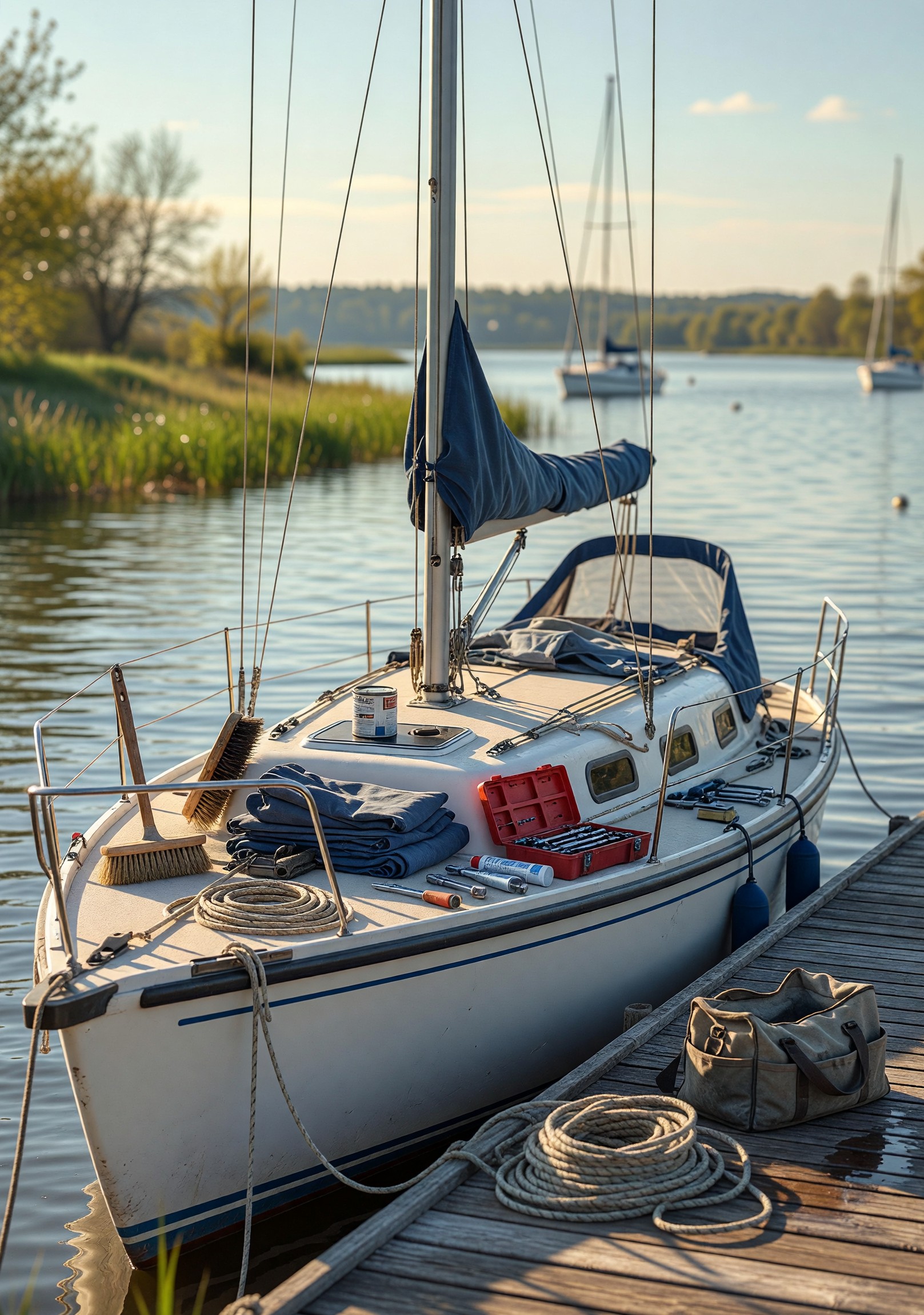
As the chill of winter fades and the first hints of spring warmth tease the air, outdoor enthusiasts turn their thoughts to the water. For boat owners, this seasonal shift signals it’s time for meticulous spring preparation to ensure your vessel is ready for another season of adventures on lakes, rivers, and coastal waters. Proper boat spring prep isn’t just about getting back on the water—it’s about safety, performance, and longevity. Neglecting these steps can lead to breakdowns mid-trip, costly repairs, or even dangerous situations that mar what should be joyful outings with family and friends.
Why does it matter? Spring prep uncovers winter’s toll— from moisture damage and corrosion to overlooked wear from storage. By addressing these proactively, you minimize risks, enhance fuel efficiency, and maximize enjoyment. Whether you’re a weekend sailor or a dedicated angler, these tips will guide you through the process. Expect to invest a few days or hire pros for complex tasks, but the payoff is a reliable boat primed for sunrises over calm bays or thrilling waves on open seas. Dive in with confidence, knowing you’re setting the stage for unforgettable aquatic escapades this season.
Top 10 Boat Spring Prep Tips
#1 Inspect the Hull for Damage
Start with a thorough visual and hands-on inspection of your boat’s hull. Look for cracks, blisters, or soft spots caused by winter storage or trailering mishaps. In regions like the Great Lakes, where freeze-thaw cycles are common, pay extra attention to fiberglass integrity.
Use a pressure washer to remove grime, then apply a hull cleaner. For minor dings, sand and gelcoat repairs can restore smoothness, preventing water intrusion. If damage seems severe, consult a marine surveyor—better safe than swamped mid-season.
#2 Check the Engine and Fuel System
Winter stagnation can gum up your engine, so begin by changing the oil and filters. Drain and replace old fuel to avoid ethanol-related clogs, especially important for outboards stored in humid climates like Florida’s coasts.
Inspect belts, hoses, and the cooling system for cracks or leaks. Run the engine on a flush kit with fresh water to test for unusual noises or vibrations. A well-prepped engine ensures reliable starts when you’re itching to launch at dawn.
Pro tip: Use fuel stabilizer if storing longer between uses, and always check propeller condition for nicks that could reduce efficiency.
#3 Test Electrical Systems
Batteries often die over winter, so charge them fully and load-test for capacity. Clean terminals to prevent corrosion, common in salty air areas like the Pacific Northwest.
Check wiring, lights, and bilge pumps—test everything under load. Faulty electrics can leave you stranded, so consider a marine multimeter for DIY diagnostics. Upgrading to LED lights? It’s a smart, energy-saving move for longer trips.
#4 Examine Safety Equipment
Safety gear must be current and functional. Inspect life jackets for rips, ensure throwable devices are accessible, and replace expired flares or fire extinguishers—U.S. Coast Guard standards require this annually.
Test your horn, navigation lights, and first-aid kit. For families boating in variable spring weather, add weather radios and EPIRBs. Remember, calm spring mornings on inland lakes can turn stormy; preparedness saves lives.
#5 Clean and Wax the Exterior
A deep clean revitalizes your boat’s appearance and protects against UV damage. Use marine-specific soaps to scrub decks and rails, focusing on mildew from damp storage.
Apply a high-quality wax or sealant for a UV barrier, especially on gelcoat surfaces. In sunny spots like the Gulf Coast, this step extends hull life. Buff out oxidation for that showroom shine before your first outing.
Don’t forget upholstery—condition vinyl seats to prevent cracking under spring sun exposure.
#6 Prepare the Interior
Air out the cabin to eliminate musty odors from winter moisture. Vacuum cushions and check for mold, using a dehumidifier if needed for enclosed boats.
Inspect plumbing for leaks in heads and sinks, and lubricate locks and hinges. Stock the galley with essentials for day trips. A cozy interior makes spring cruises on protected bays all the more inviting.
#7 Check Navigation and Communication Gear
Update charts and GPS software for the new season. Calibrate compasses and test VHF radios—clear communication is vital in crowded spring waterways.
For offshore adventures, verify AIS systems and radar functionality. In foggy coastal areas, like New England’s spring mists, reliable nav gear prevents collisions. Apps like Navionics can supplement, but nothing beats onboard redundancy.
#8 Inspect Trailers or Docking Setup
If trailering, grease bearings, check tire pressure, and examine brakes. Rust is a foe in wet climates, so wire-brush and repaint as needed.
For moored boats, inspect dock lines and cleats for wear. Ensure anchors and chains are fluke-ready. A solid setup means hassle-free launches from marinas buzzing with spring activity.
#9 Perform a Sea Trial
Once basics are done, take her out for a test run in calm waters. Monitor handling, speed, and any leaks at varying throttles.
Note fuel consumption and engine temps—spring’s cooler water affects performance. This trial uncovers hidden issues before a big trip, like a weekend getaway to the Chesapeake Bay.
#10 Review Legal and Registration Requirements
Check state registrations, tags, and insurance for expiration. Boating laws vary—some areas require invasive species inspections in spring.
Gather permits for protected waters, like national seashores. Stay compliant to avoid fines and focus on fun. Enroll in a refresher course if it’s been a while; safety certifications boost confidence.
Key Takeaways
- Prioritize safety gear inspections to meet Coast Guard standards and protect passengers on unpredictable spring waters.
- Budget for professional help on complex tasks like engine tuning to avoid costly mid-season failures.
- Store gear properly during prep to prevent loss or damage, especially in multi-use boats.
- Consider local conditions—corrosion checks are crucial in saltwater regions, while freeze damage matters inland.
- Plan ahead for permits and registrations to skip launch-day hassles at busy ramps.
- Invest in quality tools and products for DIY prep; they pay off in reliability and savings.
- Document your maintenance log for warranty claims and future reference.
How to Get Started
Begin by scheduling a full weekend for initial inspections, gathering tools like a socket set, multimeter, and cleaning supplies. Create a checklist based on your boat’s manual, and tackle one section per day to avoid overwhelm. If you’re new to boating, join a local marina workshop or consult a certified mechanic for guidance. Once prepped, scout spring-friendly spots like serene state parks with ramps. Launch small, build confidence, and soon you’ll be charting courses for epic seasonal voyages—safe sailing ahead!