
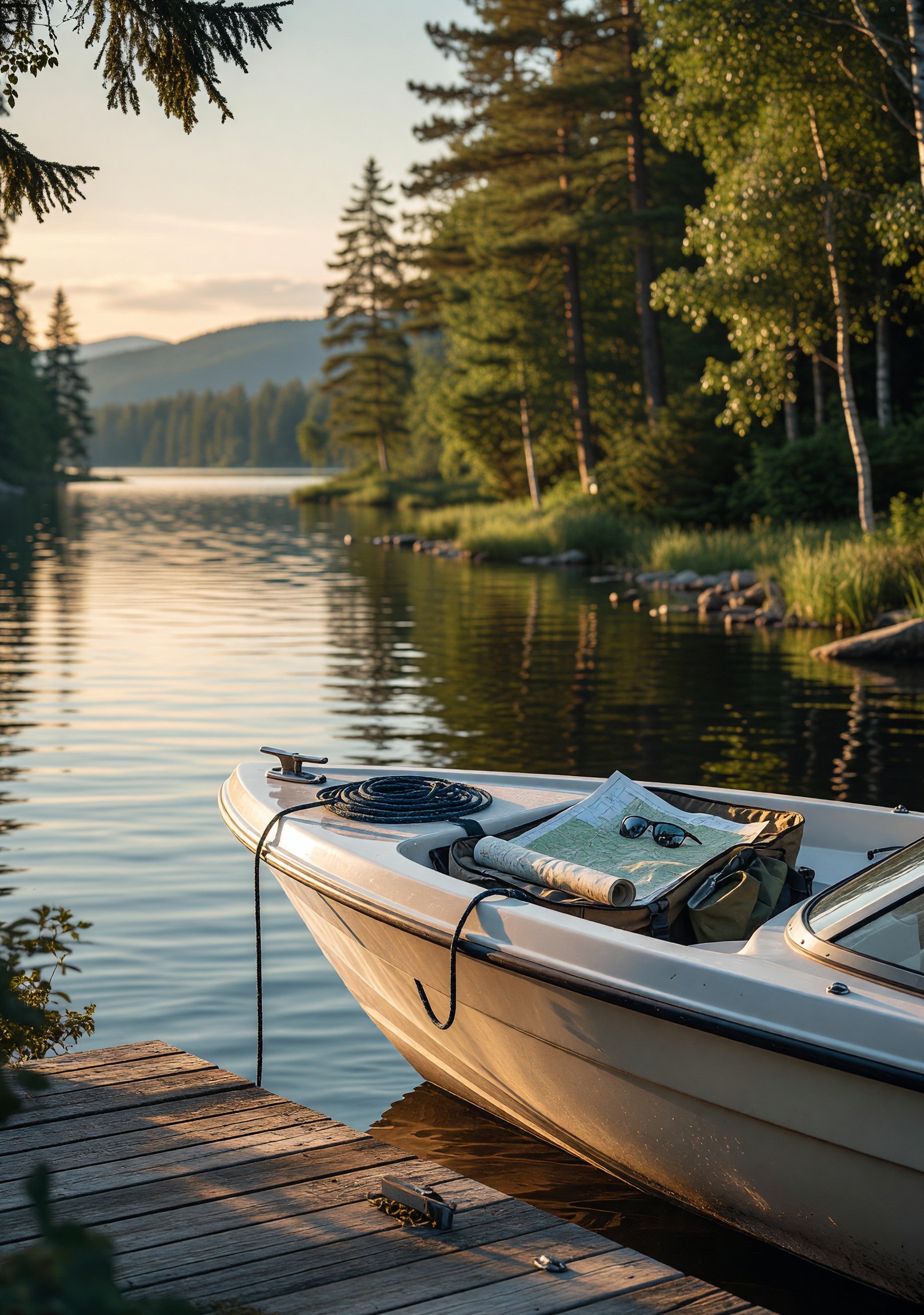
Heading out on the water for a day of fishing, kayaking, or cruising is one of the purest joys of outdoor life, but before you launch, boat registration is a crucial step that keeps your adventures legal, safe, and hassle-free. As an outdoor enthusiast, you know the thrill of exploring serene lakes, winding rivers, or coastal bays, but skipping or mishandling registration can lead to hefty fines, impoundment, or even restricted access to prime waterways. Proper registration not only complies with federal and state laws but also ensures your vessel is accounted for in emergency situations, like search and rescue operations. It’s about protecting your investment in gear and time while contributing to cleaner, safer waters for everyone.
Whether you’re a seasoned boater with a powerboat or a newbie with a simple canoe, understanding registration nuances can prevent headaches and let you focus on the fun. From gathering documents to displaying numbers correctly, these tips cover the essentials. With boating participation on the rise—over 80 million Americans hit the water annually—staying compliant is more important than ever. Dive into our top 10 boat registration tips to gear up for seamless outings this season, complete with practical advice tailored for various water conditions and locations.
Top 10 Boat Registration Tips
#1 Understand Federal vs. State Requirements
Boat registration starts with knowing the basics: federally documented vessels, typically over 5 net tons and used commercially or on international waters, fall under U.S. Coast Guard jurisdiction. For recreational boats on inland or state waters, your state’s wildlife or motor vehicle agency handles it. Check if your boat needs both—say, for a yacht cruising the Great Lakes in summer.
Tip: Visit the National Association of State Boating Law Administrators (NASBLA) website for a state-by-state guide. This prevents double fees and ensures compliance, especially in multi-state trips like the Mississippi River.
#2 Gather Essential Documents Early
Before applying, collect proof of ownership like a bill of sale, manufacturer’s certificate of origin, or previous title. You’ll also need a hull identification number (HIN), which is like a VIN for boats—found on the transom. For used boats, a lien release might be required.
Pro tip: If buying from a private seller, insist on a clear title transfer to avoid inheritance disputes later. In coastal areas like Florida, where boating peaks in winter, processing times can stretch, so start 4-6 weeks ahead.
#3 Choose the Correct Registration Category
Boats are categorized by type: motorized, non-motorized (like rowboats), or sail-only. Non-motorized crafts under 16 feet often don’t require registration in many states, but adding a small motor changes that instantly.
For outdoor enthusiasts, this matters for multi-use vessels—think a canoe with an electric troll motor for quiet fishing on remote ponds. Always verify with your state’s DMV equivalent; exemptions can save money but missing them risks citations during patrols on busy summer weekends.
#4 Budget for Fees and Renewal Schedules
Registration fees vary widely—$20 to $200 based on length and horsepower—and renew annually or biennially. Late renewals incur penalties, up to 20% extra in some states.
Plan ahead: Use online calculators from agencies like California’s DMV for estimates. For seasonal boaters in northern states, renew before spring thaw to avoid launch delays on lakes like Michigan’s inland waters.
#5 Display Numbers and Decals Properly
Registration numbers must be at least 3 inches high, in block letters on both sides of the bow, with state abbreviations (e.g., FL 1234 AB). Place the validation decal near the stern, visible from 100 feet.
Safety first: Faded or incorrect displays can lead to stops by patrols. For saltwater adventures off the Carolinas, use UV-resistant paints to withstand sun exposure year-round.
#6 Handle Special Cases for Homemade or Kit Boats
Building your own boat? You’ll need a sworn statement of construction and possibly a HIN assignment from the state. Kit boats follow similar rules but require assembly verification.
This is key for DIY enthusiasts crafting paddleboards for river floats. In states like Texas, with its strong boating culture, submit plans early to sail through inspections without hitches.
#7 Register Out-of-State or Imported Vessels
Moving? Transfer registration within 30-60 days to your new state, providing the old certificate and proof of residency. Imported boats may need customs clearance and EPA compliance for engines.
For cross-border trips, like from Canada to U.S. lakes, get temporary permits first. This ensures smooth transitions for retirees wintering in the South, avoiding dual taxation.
#8 Update After Ownership or Address Changes
Selling or inheriting a boat? File a transfer form immediately. Address changes require updates to keep emergency contacts current.
Practical note: Use online portals for quick amendments—many states offer them. For family hand-me-downs used on seasonal vacations, this prevents lapsed coverage during peak fishing seasons.
#9 Know When Titling is Required
Not all states title boats, but those that do (about 30) treat it like vehicle titles for fraud prevention. Boats over 16 feet or with motors usually need it.
For security, title your vessel to protect against theft claims. In theft-prone areas like Florida marinas, this adds a layer of ownership proof for insurance during hurricane season.
#10 Stay Aware of Environmental and Safety Add-Ons
Registration often ties into invasive species stamps or clean water fees. Some states require boater education certificates for operators under 21.
Embrace it: These fund conservation for pristine waters. For eco-conscious paddlers on the Everglades, opt for the aquatic invasive species decal to support habitat protection year-round.
Key Takeaways
- Always verify federal and state rules via NASBLA to avoid fines up to $1,000 for non-compliance.
- Gather documents like HIN and bill of sale early to streamline the process and prevent launch delays.
- Display registration numbers clearly for quick identification during safety inspections on busy waterways.
- Budget for renewals and special fees, especially for multi-state adventures spanning seasons.
- Update registrations promptly after changes to maintain valid insurance and emergency response access.
- Consider boater safety courses—they’re often required and enhance skills for all water conditions.
- Integrate environmental stamps to support sustainable boating and cleaner outdoor experiences.
How to Get Started
To kick off your boat registration journey, visit your state’s boating authority website or the U.S. Coast Guard site for federal info—download forms and use online eligibility checkers. Schedule an in-person visit if needed for inspections, bringing all docs and ID. For new buyers, consult a marine dealer for pre-registration support. Once registered, log details in a waterproof notebook alongside your gear checklist. Renew digitally where possible to save time, and join local boating clubs for ongoing tips. With these steps, you’ll be waterway-ready, focusing on the horizon rather than paperwork—safe boating awaits!