
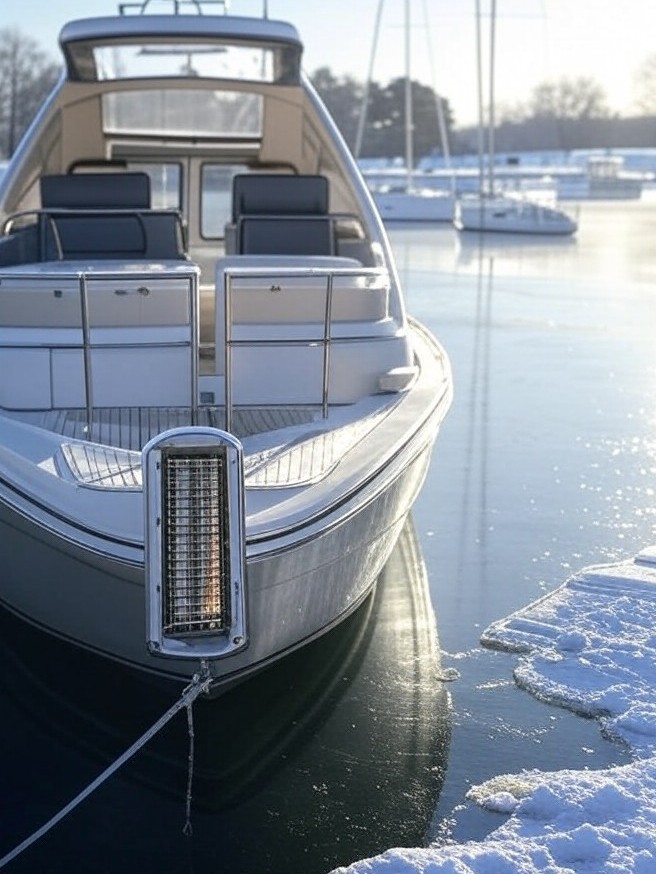
As the chill of winter approaches, boat owners face a common dilemma: how to protect their vessels from freezing temperatures without constant vigilance. Enter boat bilge heaters—compact, efficient devices designed to maintain warmth in the bilge area, preventing water from freezing in pumps, pipes, and hull compartments. For outdoor enthusiasts who refuse to let cold weather sideline their boating adventures, these heaters are a game-changer. They not only safeguard your boat’s integrity during off-season storage but also enable year-round use in milder winters or extended trips in cooler regions.
Why do bilge heaters matter? In harsh climates like the Great Lakes or Pacific Northwest, unchecked frost can lead to cracked engines, burst hoses, and costly repairs. By circulating gentle heat, these units keep humidity in check, reduce mold growth, and ensure your boat is ready to launch at a moment’s notice. Whether you’re a weekend sailor prepping for spring or a die-hard angler fishing through the frost, investing in the right bilge heater extends your time on the water. This top 10 list highlights the best options, from energy-efficient electric models to robust diesel-powered ones, with practical tips on installation, power needs, and safety. We’ll cover features tailored for different boat sizes and conditions, helping you choose wisely for safe, reliable performance.
Selecting a bilge heater involves considering your boat’s size, power source, and local weather extremes. Electric models suit docked boats with shore power, while fuel-based ones are ideal for remote moorings. Always prioritize units with auto shut-off and thermostat controls to avoid overheating risks. With the right setup, you’ll minimize winter woes and maximize your outdoor pursuits, turning potential downtime into seamless preparation for the next adventure.
Top 10 Boat Bilge Heaters
#1 Caframo True North
The Caframo True North is a top pick for small to medium boats, delivering 250 watts of targeted heat with a built-in thermostat that maintains 40-50°F in the bilge. Its compact design (under 10 inches long) fits snugly in tight spaces, and the stainless steel construction resists corrosion from saltwater exposure.
Ideal for coastal regions like New England during late fall, install it near the bilge pump for optimal circulation. Users report it prevents ice buildup effectively, using just 2 amps on 12V systems—perfect for battery-powered setups. Tip: Pair with a humidity sensor for added mold prevention; always check local marina power regulations before use.
#2 Xantrex Bilge Warmer
Xantrex’s Bilge Warmer offers 150 watts of low-profile heating, with adjustable settings via a digital controller. It’s engineered for fiberglass and aluminum hulls, featuring waterproof seals that handle submersion up to 1 foot, making it reliable for rainy Pacific Northwest winters.
For boats up to 30 feet, this heater excels in preventing frozen thru-hulls. Installation is straightforward—mount horizontally and connect to shore power. Safety note: Include a GFCI outlet to guard against electrical faults. Boaters in the Great Lakes praise its energy efficiency, running cycles only when needed to save on utility costs.
#3 Webasto Air Top 2000
A diesel-fueled powerhouse, the Webasto Air Top 2000 provides up to 2,000 BTU output, suitable for larger vessels over 40 feet. Its forced-air system distributes heat evenly, with a quiet operation under 40 dB, ideal for overnight storage without disturbing nearby docks.
Best for remote areas like Alaska’s Inside Passage in sub-zero temps, it runs on your boat’s fuel tank, eliminating extension cord hassles. Pro tip: Annual servicing of the fuel line prevents clogs; always vent exhaust away from the bilge to avoid fumes. This model’s remote start feature lets you preheat from afar via app.
#4 Espar D2 Airtronic
The Espar D2 delivers 2,000 BTU with precise temperature control, using minimal diesel (0.1 gallons per hour). Compact at 6×4 inches, it’s perfect for sailboats where space is premium, and its self-diagnostic system alerts to issues via LED codes.
In Midwest winters, it keeps bilges frost-free during ice storms. Install near the engine compartment for dual benefits. Safety first: Equip with a carbon monoxide detector. Anglers in Minnesota note its reliability for extended ice fishing prep, with easy integration into existing heating systems.
#5 Marinco 12V Bilge Heater
Budget-friendly at 100 watts, the Marinco runs on 12V DC, drawing from your boat’s batteries without needing AC power. Its magnetic mount allows flexible placement, and the auto-cycle feature activates only below 45°F.
Suited for trailerable boats in variable climates like the Southeast U.S., where mornings dip but days warm. Tip: Monitor battery drain with a voltmeter; it’s not for deep freezes. Users love the no-fuss setup, ideal for weekend warriors storing boats at home.
#6 Dickinson Marine Diesel Heater
Dickinson’s model outputs 5,000 BTU, heating bilges and cabins alike with a robust diesel burner. Built for offshore durability, it withstands vibrations and has a lifetime warranty on the heat exchanger.
Perfect for Canadian marinas in harsh winters, vent it through the transom for safety. Installation requires a pro for fuel lines—expect 4-6 hours. Boaters report it cuts de-icing time in half, with tips to use marine-grade filters for longevity.
#7 SureCalm Electric Bilge Heater
SureCalm’s 300-watt unit features a wrap-around design that hugs pipes and pumps, with overload protection. It’s UL-listed for marine use, ensuring compliance in regulated areas like Florida’s keys.
For humid, mild winters, it combats condensation more than frost. Mount vertically for best flow; pair with a timer for intermittent use. Safety: Never leave unattended without a thermal fuse. Cruisers appreciate its affordability and quick warm-up.
#8 Kuuma Air Command
The Kuuma Air Command propane heater pushes 15,000 BTU through ducts, adaptable for bilge focus. Lightweight at 20 pounds, it’s great for RVs converted to boats or multi-use craft.
In Southwest deserts with cold nights, it prevents overnight freezes. Tip: Secure propane tanks externally; check for leaks with soapy water. Installation notes: Duct to bilge vents. Users in Arizona highlight its versatility for dry camping near water.
#9 Taylor Made Products Bilge Buddy
A simple 200-watt electric pad, the Bilge Buddy adheres directly to surfaces with adhesive backing. Thermostat-controlled to 50°F, it’s plug-and-play for small dinghies or tenders.
Ideal for casual use in the Gulf Coast’s variable weather. No tools needed for setup—just plug into a 12V socket. Safety: Avoid covering to prevent hot spots. Kayak owners towing boats find it indispensable for quick protection.
#10 Planar 2D Diesel Heater
Planar’s 2D model offers 2,140 BTU with Bluetooth control, allowing temp adjustments from your phone. Its efficient burn uses 0.04 gallons per hour, extending fuel life.
For European-style canal boats in chilly climates, it’s whisper-quiet. Install in ventilated areas; annual tune-ups recommended. Tip: Integrate with boat alarms for remote monitoring. Adventurers in the UK canals swear by its smart features for off-grid reliability.
Key Takeaways
- Always prioritize heaters with built-in thermostats and auto shut-off to prevent fire hazards and energy waste.
- Match power source to your setup: 12V for batteries, AC for shore power, or diesel/propane for independence.
- Regular maintenance, like cleaning filters and checking vents, ensures longevity and safe operation in marine environments.
- Consider boat size and climate—low-wattage for mild areas, high-BTU for extreme cold to avoid underheating.
- Install carbon monoxide detectors and GFCI protection; never run fuel heaters in enclosed spaces without proper exhaust.
- Budget for professional installation on complex systems to comply with USCG safety standards and avoid voids in warranties.
- Test heaters before winter storage to catch issues early, saving on emergency repairs during peak season.
How to Get Started
Begin by assessing your boat’s needs: measure the bilge space, note power availability, and review local winter temps. Research models from reputable brands like Caframo or Webasto, reading user reviews on sites like West Marine for real-world insights. Budget $100–$500 depending on type; factor in installation costs if not DIY-savvy.
Next, gather essentials: marine-grade wiring, mounting hardware, and safety gear like extinguishers. Consult your boat’s manual for compatible locations, then test the unit in controlled conditions. Join boating forums or local clubs for advice on permits in regulated waters. Start small—opt for an electric model if shore power is easy, upgrading to diesel for remote adventures. With proper setup, you’ll be winter-ready, ensuring safe, enjoyable outings year-round.