
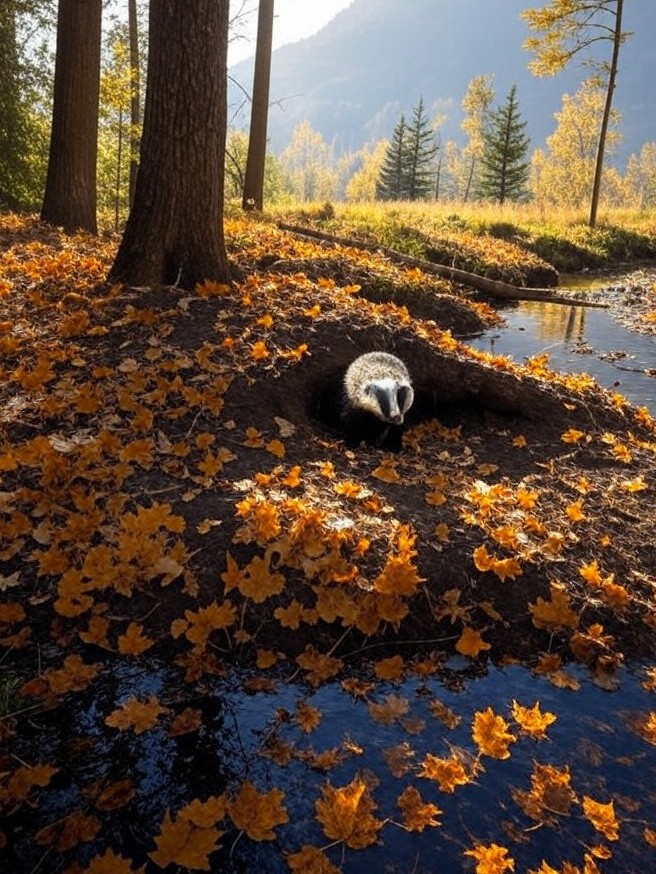
Badger den trapping is a specialized skill that appeals to outdoor enthusiasts passionate about wildlife management and conservation. Badgers, with their elusive nature and complex burrow systems, present a unique challenge for trappers aiming to monitor populations, relocate nuisances, or contribute to ecological studies. Understanding badger behavior—solitary, nocturnal, and fiercely territorial—helps ensure humane and effective practices. This activity matters because badgers play vital roles in ecosystems as predators of pests like rodents, but in agricultural areas, they can conflict with human interests by damaging crops or livestock pens. Proper trapping techniques promote ethical wildlife interactions, reduce unnecessary harm, and support biodiversity. For beginners, it’s an opportunity to connect with nature while learning about local regulations that govern such pursuits. Always prioritize safety, legality, and respect for wildlife; trapping without permits can lead to fines or environmental damage. In this guide, we’ll explore the top 10 tips to get you started safely and successfully, whether you’re in the rolling hills of the Midwest or the prairies of the West, where badgers thrive. Remember, trapping seasons vary by region, typically aligning with non-breeding periods to avoid disrupting family units.
Top 10 Badger Den Trapping Tips
#1 Research Local Regulations and Permits
Before setting any traps, familiarize yourself with state or provincial wildlife laws. In the U.S., badgers are classified as furbearers in many states like Wisconsin or Montana, requiring a trapping license and adherence to bag limits. Contact your local fish and wildlife department for permits, which often specify trap types and reporting requirements. Ignoring these can result in hefty fines—up to $1,000 in some areas—or confiscation of gear.
Permits ensure sustainable practices; for instance, some regions mandate trap checks every 24 hours to minimize animal suffering. Plan your outings during legal seasons, usually fall to early spring, avoiding breeding times from March to May.
#2 Identify Badger Signs and Dens
Spotting active badger dens is crucial for efficient trapping. Look for large, fan-shaped dirt mounds at burrow entrances, often 10-12 inches wide, surrounded by tracks with long claw marks from digging. Fresh scat—black, tar-like, and full of insect remains—indicates recent activity. Dens are typically in open fields, hillsides, or forest edges with well-drained soil.
Use trail cameras to confirm occupancy without disturbance. In prairie regions, badgers reuse natal dens yearly, so scout in late summer when they’re most visible. Avoid flooding areas, as badgers prefer dry, elevated spots for their extensive tunnel networks, which can span 200 feet.
#3 Choose the Right Trap Type
Opt for humane foothold traps like the MB-450 or padded jaw models sized for badgers (about 4×6 inches) to prevent injury while ensuring secure holds. Body-gripping traps are less ideal due to higher non-target capture risks. Always select rust-resistant steel for durability in wet conditions.
Test traps in controlled settings first. In rocky terrains, use dirt-hole sets to mimic natural burrows, placing the trap 6-8 inches deep. Gear up with swivels and drag chains to allow movement without escape.
#4 Select Optimal Bait and Lures
Badgers are carnivorous opportunists; use fresh baits like raw chicken, fish guts, or ground beef mixed with eggs for a strong scent. Place bait 12-18 inches inside the den or set to draw them in. Commercial lures mimicking musk or prey calls enhance attraction.
Avoid over-baiting to prevent spoilage—refresh every 48 hours in warm weather. In agricultural zones during harvest season (September-October), natural food scarcity makes them more responsive to baits near crop fields.
#5 Master Trap Placement Techniques
Position traps at den entrances or along travel paths, such as fence lines or field edges where badgers hunt. For dirt-hole sets, dig a small hole angled away from the trap pan, covering it lightly with soil and leaves for camouflage. Secure the trap chain to a sturdy stake driven 18 inches deep.
In windy areas, use natural windbreaks like bushes to prevent trap disturbance. Set multiple traps 20-30 feet apart to cover tunnel networks, checking for non-target signs like fox prints to adjust placements.
#6 Time Your Trapping Efforts Wisely
The best window is late fall to winter, when badgers are foraging more predictably before hibernation-like torpor. Avoid summer when they’re raising young. Dawn and dusk scouting reveals peak activity, so set traps in the evening for overnight success.
Monitor weather; badgers emerge more after rain softens soil for digging. In northern climates like the Dakotas, trapping peaks in November when frosts limit burrowing escapes.
#7 Implement Safe Monitoring Protocols
Check traps at least twice daily to comply with humane standards and release non-targets quickly. Use gloves to handle equipment, avoiding direct contact with potentially rabid badgers—symptoms include aggression or foaming.
Employ GPS markers for remote sets. In group efforts, assign shifts to ensure no trap is overlooked, especially in expansive prairies where dens can be miles apart.
#8 Handle Captures Ethically and Safely
Approach captured badgers calmly with a catch pole or thick gloves; cover their eyes with a cloth to reduce stress. For relocation (where permitted), transport in ventilated boxes to a suitable release site at least 10 miles away, ensuring it’s not near human habitation.
If euthanizing, follow AVMA guidelines with quick, painless methods like cervical dislocation by professionals. Document each capture for reporting, including location and condition, to aid wildlife studies.
#9 Minimize Environmental Impact
Fill in unused dens post-trapping to prevent erosion or use by other species. Use biodegradable lures and clean up bait remnants to avoid attracting predators or contaminating water sources.
In sensitive habitats like grasslands, stick to existing paths to preserve vegetation. Sustainable practices support badger populations, which have declined 20% in some U.S. regions due to habitat loss.
#10 Invest in Quality Gear and Maintenance
Essential kit includes pan covers, sifting screens for soil sets, and weatherproof storage bags. Maintain traps by boiling in lye solution annually to remove scents and rust.
Budget for durable items like Victor or Duke brands. In cold seasons, use anti-freeze pans to keep mechanisms functional. Proper gear ensures reliability and reduces frustration on multi-day trips.
Key Takeaways
- Always secure permits and follow local laws to avoid legal issues and promote ethical trapping.
- Prioritize humane traps and frequent checks to minimize animal stress and non-target captures.
- Scout thoroughly for signs to target active dens, saving time and resources.
- Wear protective clothing, including gloves and boots, to guard against scratches or disease.
- Plan for variable weather with layered gear and backup sites for safety.
- Document and report captures to contribute to conservation data.
- Start small with experienced mentors to build skills confidently.
How to Get Started
To dive into badger den trapping, begin by enrolling in a local trapping workshop through organizations like the National Trappers Association—they offer hands-on training on ethics and techniques. Gather basics: a trapping license, humane traps, bait supplies, and a field journal. Scout a permitted area near your home, like public lands in badger habitats, and practice sets in your backyard first. Connect with online forums such as TrappingWire for region-specific advice. Remember, patience is key; your first successful set might take several outings. If relocation is involved, partner with wildlife rehabbers for guidance. Stay safe, respect nature, and enjoy the thrill of this rewarding outdoor pursuit.