
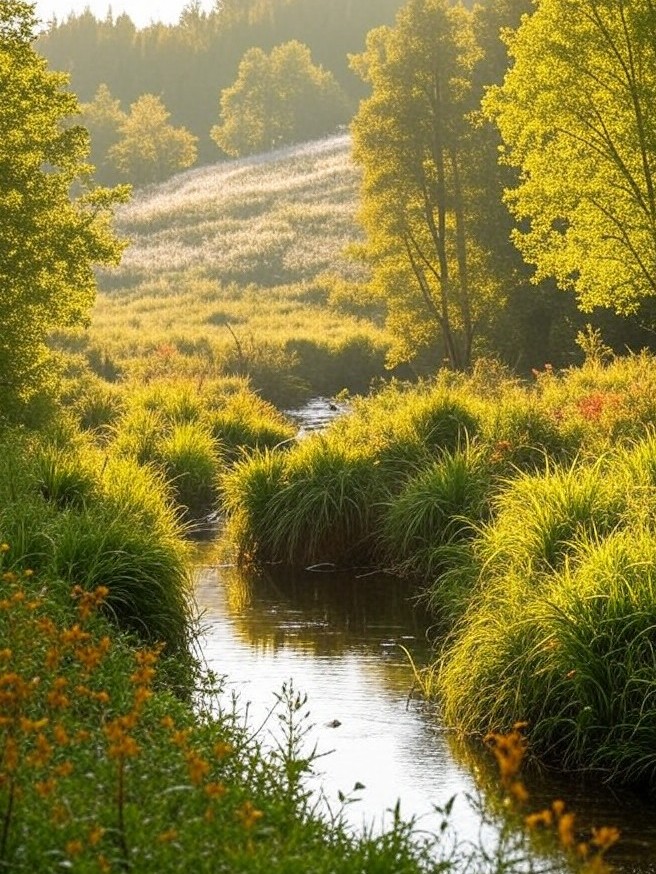
The first light filters through the dense canopy, casting golden shafts on dew-kissed ferns as your boots sink into the soft earth of the forest floor. A distant bugle echoes, pulling you deeper into the wild where every shadow holds potential. Hunting isn’t just a pursuit; it’s a rhythm synced with nature’s pulse, demanding patience, skill, and respect for the land that sustains us. In an era where urban life tugs at our edges, this ancient craft reconnects us to our roots, offering solitude amid the chaos and a profound sense of accomplishment when the shot rings true—or when you simply return with stories etched in memory.
What draws enthusiasts back season after season? It’s the blend of strategy and serendipity, where scouting patterns in trail cam footage or reading the wind can turn the ordinary into the extraordinary. Today, hunting evolves with technology that enhances rather than overshadows the experience: quieter bows, scent-eliminating fabrics, and apps that map public lands without intruding on the thrill. Yet, at its core, it remains about stewardship—harvesting ethically to balance ecosystems and support wildlife populations. Whether you’re a seasoned tracker or lacing up for your first outing, the call of the wild promises growth, from honing marksmanship to forging bonds in hunting camps. Safety anchors every step: proper training, visible gear, and awareness of surroundings ensure the adventure endures. As pressures on public lands grow, adaptive tactics like mobile hunting keep the pursuit fresh and fair. Embrace this; it’s more than sport—it’s a legacy of conservation and self-reliance that sharpens the soul.
Mastering Modern Hunting Techniques
Hunting demands more than instinct; it’s about blending old wisdom with new tools. Start with scouting: trail cameras capture nocturnal visitors, revealing patterns that guide your stand placement. On pressured public lands, mobility is key—pack light and relocate often to outmaneuver crowds.
Adapting to Terrain
In rugged mountains, spot-and-stalk rules: glass ridges at dawn for elk silhouettes against the sky. Wetlands call for waterfowl setups with decoys mimicking flocks. Practice ethical shots within your range, always prioritizing quick, humane harvests.
Tech-Enhanced Strategies
GPS-enabled rangefinders calculate distances instantly, while wind apps predict shifts to mask your scent. Drones scout inaccessible areas, but use them sparingly to preserve the fair chase ethos.
Essential Gear for the Field
Quality equipment bridges the gap between preparation and success. Focus on versatile pieces that withstand elements without weighing you down.
Apparel and Protection
Opt for merino wool base layers that wick moisture and neutralize odors, paired with waterproof shells featuring silent zippers. Camo patterns now incorporate multi-spectrum tech for better concealment in varied light.
Weapons and Optics
Compound bows with adjustable draw weights suit beginners to pros, while crossbows offer speed for denser cover. Binoculars with image stabilization reveal details at twilight; choose models with rangefinding for one-handed efficiency.
Accessories That Matter
A sturdy pack with hydration sleeves keeps essentials accessible. Scent blockers and ground blinds complete the kit, ensuring you’re invisible to wary game.
Prime Destinations for Unforgettable Pursuits
America’s landscapes brim with opportunities, from vast prairies to coastal marshes. Seek spots balancing accessibility and abundance.
Western Wilderness
Montana’s open ranges host mule deer and pronghorn, where golden aspens frame epic vistas. Wyoming’s high plains deliver trophy elk amid wildflower meadows.
Southern Strongholds
Texas boasts whitetail havens on sprawling ranches, ideal for bow or rifle setups. Arkansas riversides teem with ducks, blending hunts with scenic floats.
Eastern Woodlands
Wisconsin’s thick hardwoods shelter massive bucks; turkey roosts echo through misty mornings. Public areas here emphasize community hunts with guided access.
Embracing Sustainable and Safe Hunting
Hunting thrives when we give back. Follow fair chase principles: limit tags to population needs and report harvests for data that informs management.
Conservation in Action
Join habitat projects planting native grasses or clearing invasives. Opt for lead-free ammo to protect scavengers, and process meat fully to honor the animal.
Safety First
Complete hunter education courses covering firearm handling and first aid. Wear blaze orange in firearm zones, and hunt with partners for mutual vigilance. These habits safeguard you, others, and the resource we cherish.
Key Takeaways
- Scout thoroughly with trail cams to understand game movements and optimize stand locations.
- Invest in versatile, scent-free apparel that adapts to changing weather without noise.
- Prioritize ethical shots: know your effective range and aim for vital zones.
- Explore public lands with mobile tactics to avoid crowds and increase success.
- Practice sustainability by using non-toxic ammo and supporting habitat restoration efforts.
- Always prioritize safety—wear high-vis gear, communicate with your group, and stay aware.
- Connect with local communities for shared knowledge and guided opportunities that enrich the experience.
Ready to answer the wild’s call? Dust off your gear, check local regulations, and step into the field. Your next adventure awaits, promising not just the hunt, but the stories that bind us to the outdoors.