
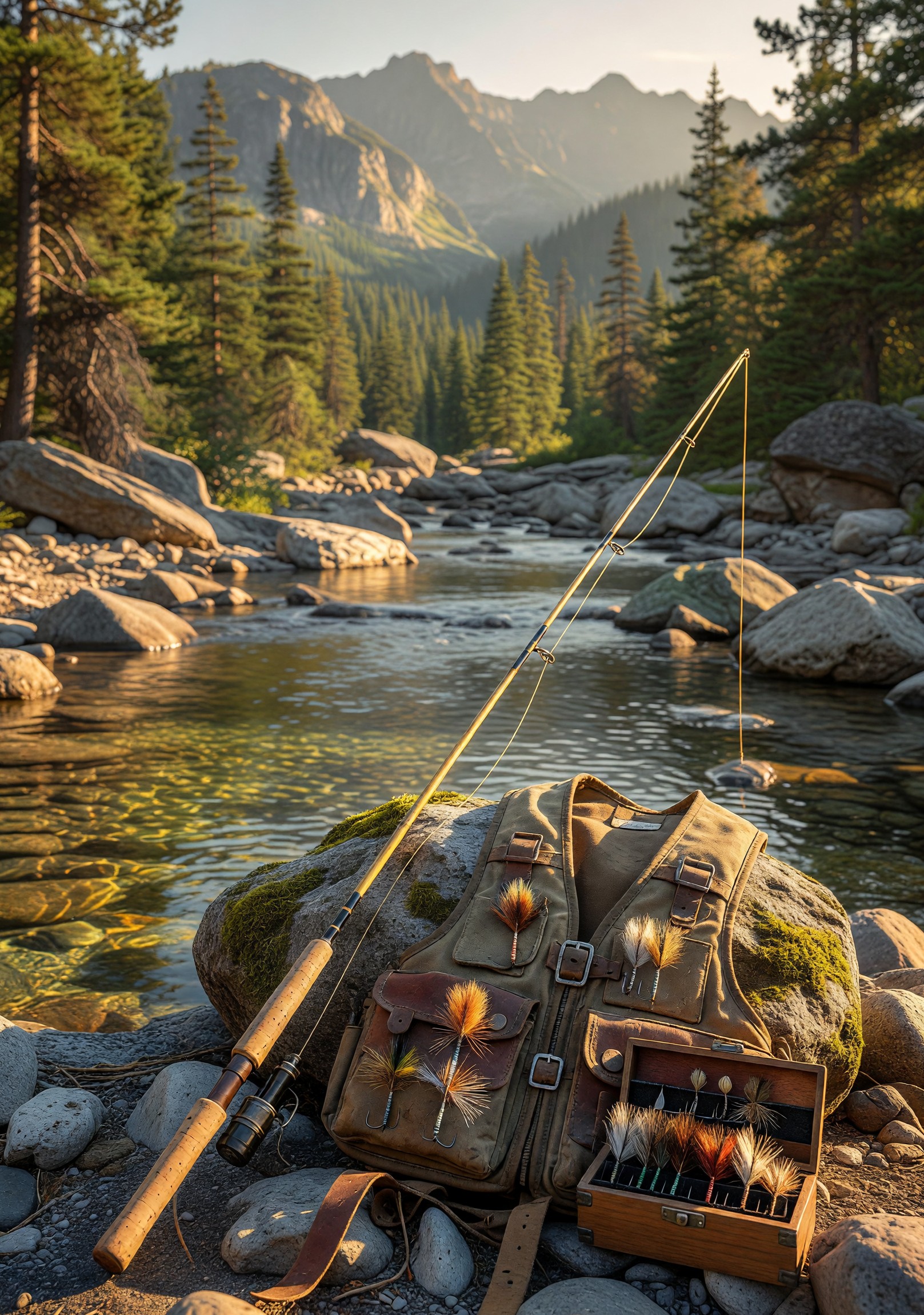
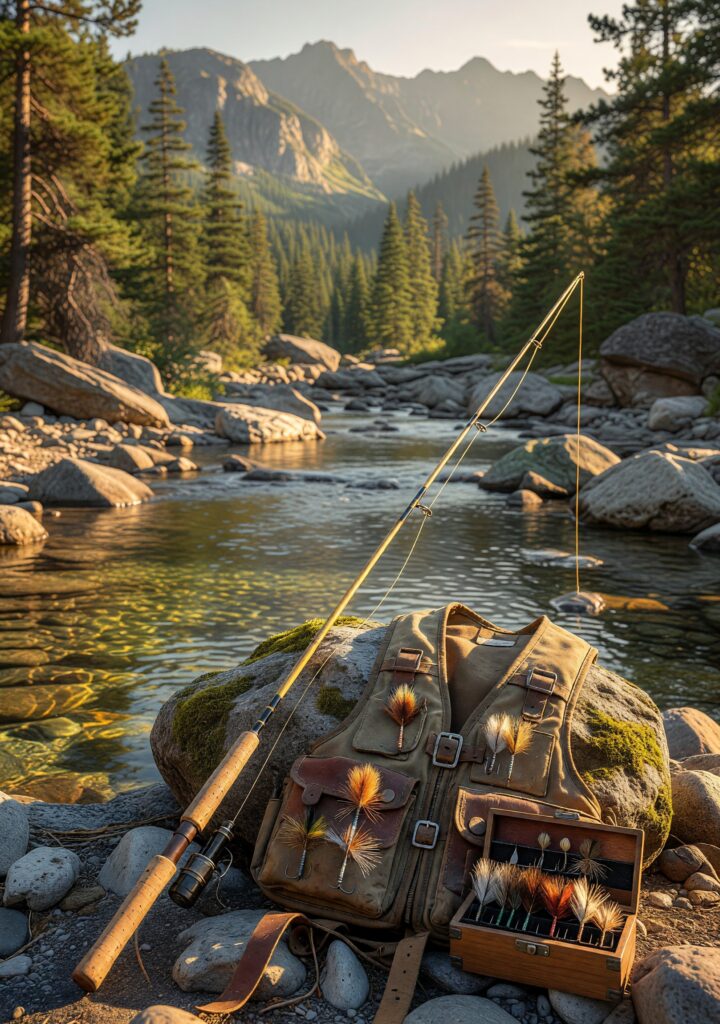
The line whispers through the dawn air, unfurling like a silk ribbon above a sun-dappled stream, before settling softly on the current where a trout’s shadow flickers just below. In that suspended moment, the world narrows to the rhythm of water and wind, a quiet rebellion against the rush of daily life. Fly fishing isn’t just a hobby; it’s a gateway to reclaiming that primal connection with nature, one precise cast at a time. Right now, as rivers swell with spring runoff and fish stir from winter’s hush, this pursuit calls louder than ever. It’s about more than hooking a prize—it’s honing patience, reading the subtle cues of the environment, and leaving no trace behind. Anglers everywhere are rediscovering the joy in mindful outings, blending skill with stewardship to ensure these waters endure for generations. Whether you’re a novice feeling the pull of adventure or a seasoned caster seeking fresh challenges, fly fishing promises moments of pure exhilaration. Picture the adrenaline surge when a strike ripples the surface, the satisfaction of a well-tied knot holding true. This art form thrives on adaptation, from mastering dry flies on freestone rivers to stripping streamers for aggressive bass. Communities are buzzing with shared stories around campfires, fostering bonds that extend beyond the bank. In an era craving authenticity, fly fishing delivers unfiltered immersion, teaching us to tread lightly while chasing the thrill. Dive deeper, and you’ll find it’s not just about the fish—it’s about the flow of life itself, inviting you to sync with the pulse of wild places.
Mastering Core Techniques for Success
Fly fishing rewards those who blend finesse with intuition. Start with the fundamentals: the overhead cast, where you load the rod with a smooth back-and-forth motion, then propel the line forward to deliver your fly accurately. Practice on open lawns before hitting the water—focus on timing to avoid tangles. For beginners, the roll cast shines in tight quarters, like under overhanging branches, by using the water’s surface tension to shape the loop.
Reading the Water and Matching Hatches
Success hinges on observation. Scan for rising fish, seams where fast and slow currents meet, and undercut banks hiding lies. Match the hatch by selecting flies that mimic local insects—mayflies for trout, poppers for panfish. Current trends emphasize versatile patterns like pheasant tail nymphs or elk hair caddis, adaptable to varying conditions. Keep a journal of what works; over time, you’ll predict hatches like a local guide.
Advanced Tactics: Euro Nymphing and Streamer Fishing
Once basics click, explore euro nymphing for subtle presentations in pocket water, using lightweight indicators and long leaders for natural drift. For aggressive pursuits, streamer fishing targets larger predators—strip articulated bugs with erratic jerks to provoke strikes. Safety tip: always wear polarized glasses to spot structure and avoid slips on mossy rocks.
Essential Gear: Building Your Kit Wisely
Quality gear elevates the experience without overwhelming your budget. Prioritize rods that balance power and feel—a 9-foot, 5-weight fast-action model suits most freshwater scenarios, offering control for everything from delicate dries to heavy nymph rigs. Pair it with a smooth-reeling drag system in a reel that doubles as a fly line holder.
Rods, Reels, and Lines
Look for rods with responsive blanks for better hook sets, like those featuring advanced composites for lighter weight and quicker recovery. Reels now trend toward corrosion-resistant designs with sealed drags, ideal for damp conditions. Lines have evolved too—tapered floating options with low-stretch cores provide sensitivity and distance, while sinking versions sink predictably for deeper presentations.
Apparel and Accessories for Comfort and Sustainability
Invest in breathable waders with reinforced knees and eco-friendly neoprene boots to minimize sole impact on streambeds. Layer with quick-dry synthetics for variable weather. Must-haves include nippers for clean cuts, forceps for hook removal, and a net with soft mesh to protect fish scales during catch-and-release. Opt for biodegradable tippet and lead-free split shot to tread lightly on the ecosystem.
Prime Destinations to Cast Your Line
From rugged mountains to coastal flats, fly fishing hotspots beckon with diverse opportunities. Seek out clear, freestone rivers teeming with wild trout, where riffles give way to deep pools perfect for wading. Western states shine with blue-ribbon streams winding through pine-scented valleys, offering solitude amid granite canyons.
Western Wonders and Eastern Charms
In the Rockies, target high-country meadows where cutthroats rise to hoppers, or drift boat tailwaters for consistent hatches. Head east for smallmouth bass in freestone rivers, slamming woolly buggers near rocky ledges. Alaska’s remote runs deliver salmon epics, while southern limestone springs hold trophy bonefish on sunny flats. Always check local regs and hire guides to support communities and learn insider spots.
Embracing Sustainability in Every Outing
Leave no trace: pack out waste, avoid sensitive spawning areas, and practice barbless hooks for quick releases. Join conservation groups to restore habitats—your participation keeps these gems thriving. Trends lean toward low-impact angling, like using longer leaders to spook fewer fish and supporting brands committed to recycled materials.
Ready to hook into this timeless pursuit? Assemble your kit, scout a nearby stream, and cast with intention. Connect with local fly shops or clubs for tips and camaraderie—your next big story starts on the water.
Key Takeaways
- Master the overhead and roll casts through consistent practice to build confidence on the water.
- Observe water flows and insect activity to select the right fly, boosting your catch rate.
- Choose a versatile 9-foot, 5-weight rod paired with a reliable reel for most fishing scenarios.
- Prioritize breathable waders and soft-mesh nets to stay comfortable while protecting fish and habitats.
- Explore western rivers for trout and eastern streams for bass, always respecting local regulations.
- Practice catch-and-release with barbless hooks and wet hands to minimize fish stress.
- Support sustainability by using eco-friendly gear and joining conservation efforts in your area.