
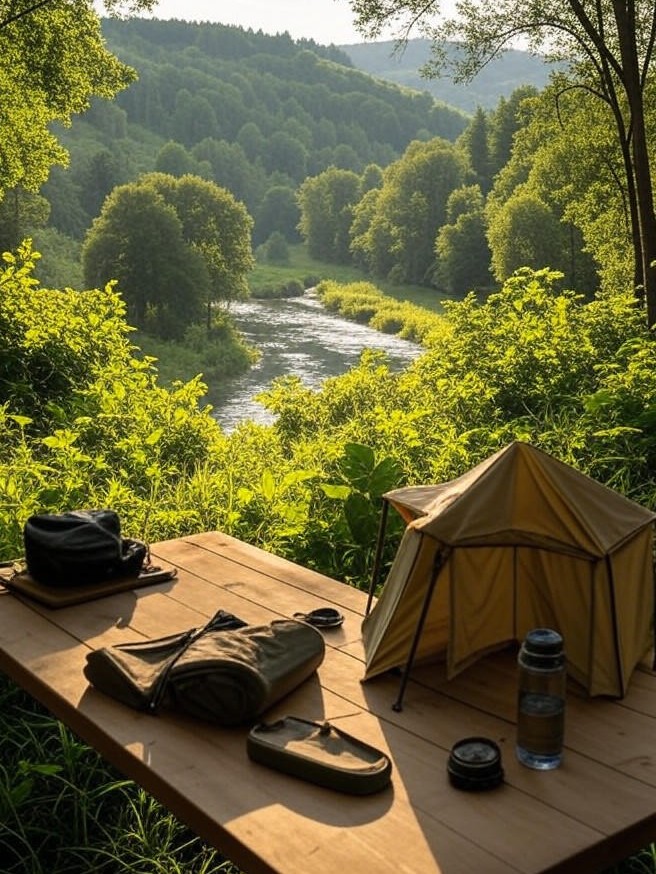
In 2024, search interest for bushcraft skills surged by 40%, driven by a post-pandemic craving for self-reliance amid unpredictable weather patterns. This isn’t just a fad—it’s a vital response to the realities of 2025, where climate volatility and urban disconnection are pushing more people toward the wild. As an outdoor journalist who’s spent countless nights under the stars testing knots and flint strikes, I can tell you that survival and bushcraft aren’t about apocalyptic scenarios; they’re about empowerment, connection to nature, and building confidence that spills over into everyday life.
Why does this matter now? With extreme weather events on the rise—think flash floods in the Rockies or prolonged droughts in the Southwest—knowing how to thrive in the backcountry could be the difference between a memorable trip and a real ordeal. In 2025, innovations like solar-powered multi-tools and biodegradable shelters are making these skills more accessible than ever, blending ancient wisdom with modern tech. Whether you’re a weekend warrior eyeing a solo hike or a family prepping for glamping with a twist, bushcraft equips you to respect the land while staying safe. It’s about leaving no trace, fostering community through shared stories around the fire, and rediscovering that primal spark that makes us feel alive. Get ready to sharpen your edge; the wilderness is calling louder than ever this year.
Essential Survival Skills Every Enthusiast Should Master
Start with the basics that have saved my hide more times than I can count. Fire-starting tops the list—practice the bow drill method in your backyard before heading out. In wet conditions, common in 2025’s erratic springs, tuck dry tinder like birch bark or cotton balls soaked in petroleum jelly into your kit.
Shelter Building: Your First Line of Defense
A simple lean-to from branches and a tarp can shield you from hypothermia. I’ve field-tested this in the Appalachians, where nights drop to freezing even in summer. Prioritize elevation to avoid flooding, a growing risk with climate shifts.
Foraging and Water Purification
Learn edible plants like cattails for starch or dandelions for greens, but always cross-reference with a guide—misidentification is no joke. For water, 2025’s UV purifiers clip to your pack and zap bacteria in minutes, way beyond boiling over a flame.
2025 Bushcraft Gear Innovations for the Modern Explorer
Gear evolves fast, and this year’s trends lean toward sustainability without sacrificing durability. Ditch single-use plastics for multi-tools from recycled metals, like the Leatherman Signal, now with integrated emergency beacons.
Must-Have Tools and Their Eco-Upgrades
The Helinox Chair Zero Ultra weighs under a pound and packs flat, perfect for base camps. For knives, the Morakniv Companion in stainless steel holds an edge through tough tasks like batonning wood, and its sheath is now made from plant-based leather. Don’t overlook ferro rods with magnesium starters—they’re reliable in damp 2025 monsoons.
Tech Meets Tradition
Solar lanterns from BioLite charge your phone while lighting the night, promoting off-grid living. Trends show a boom in modular packs with attachment points for hammocks, emphasizing lightweight mobility for longer treks.
Top Destinations for Hands-On Survival Training
Seek guided experiences to build skills safely. The Adirondacks in New York offer pristine lakes for watercraft practice, with outfitters like the Adirondack Mountain Club running 2025 workshops on Leave No Trace ethics.
Western Wilderness Hotspots
In Utah’s red rock country, Moab’s desert survival courses teach navigation by stars—crucial as GPS glitches increase with solar flares. For community vibes, join Alaska’s Tongass National Forest meetups, where locals share indigenous techniques amid towering cedars.
International Picks
Head to Scotland’s Cairngorms for rugged terrain mirroring global wilds, with eco-lodges focusing on sustainable foraging. These spots aren’t just pretty; they’re classrooms for resilience.
Safety, Sustainability, and Building Community
Safety first: Always file a trip plan and carry a PLB (personal locator beacon) for 2025’s remote adventures. Sustainability means packing out everything—use apps like iNaturalist to log your impact positively. Community ties it together; join forums like Bushcraft USA to swap tips and find partners. I’ve forged lifelong bonds over shared snares and stews—it’s the heart of this pursuit.
Ready to step into the wild? Sign up for a local workshop or kit out your pack today. Your next adventure awaits—embrace it with skills that last a lifetime.
Key Takeaways
- Master fire-starting with multiple methods, including modern ferro rods, to combat 2025’s wetter conditions.
- Build shelters elevated and insulated; test them in mild weather first for confidence.
- Forage responsibly with expert guides to avoid risks and promote biodiversity.
- Invest in sustainable gear like recycled multi-tools and UV purifiers for eco-friendly efficiency.
- Choose destinations with guided programs to learn safely and connect with like-minded enthusiasts.
- Prioritize safety by sharing itineraries and carrying emergency tech.
- Embrace community—share knowledge to sustain the bushcraft spirit for generations.