
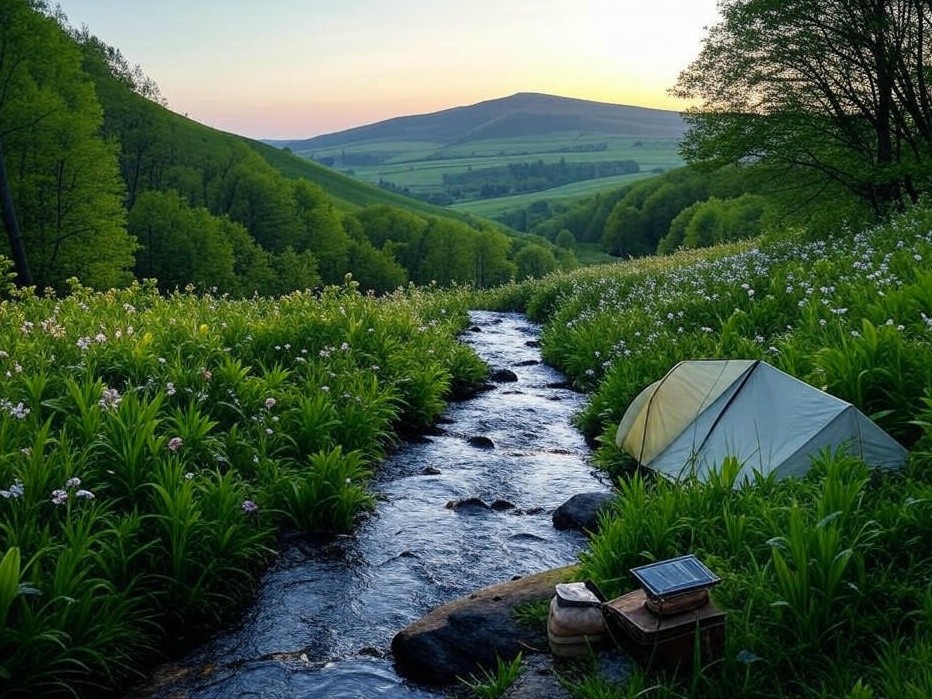
Imagine standing on a misty mountain ridge at dawn, the crisp air biting at your cheeks as you adjust the straps of a sleek, lightweight backpack that promises to carry your world without weighing you down. The outdoor realm is calling louder than ever in 2025, with travel gear evolving to match our thirst for adventure and sustainability. Whether you’re a weekend hiker or a globe-trotting explorer, the right equipment can transform a trip from mundane to magical. This year, the focus isn’t just on what you carry, but how it impacts the trails and communities you traverse. From innovative designs to eco-conscious materials, the travel gear landscape is buzzing with trends that cater to both thrill-seekers and stewards of nature. Let’s dive into the latest gear revolutions and explore how they’re shaping the outdoor community’s ethos and adventures.
- Discover 2025’s cutting-edge travel gear with sustainable, lightweight designs for every adventurer.
- Learn how gear innovations strengthen outdoor community bonds and environmental responsibility.
- Uncover practical tips to choose equipment that enhances exploration while minimizing impact.
Trend Alert: Sustainable Materials in Travel Gear
In 2025, sustainability isn’t just a buzzword—it’s a mandate in travel gear design. Brands are pivoting to recycled plastics and biodegradable fabrics, with over 60% of new backpacks and tents featuring eco-friendly materials, according to recent industry reports. Imagine a tent made from repurposed ocean plastic that withstands a stormy alpine night while reducing waste. Companies are also prioritizing durability to curb the throwaway culture, ensuring gear lasts through countless treks. This shift isn’t just good for the planet; it resonates with a growing community of outdoor enthusiasts who value ethical consumption. Next time you shop, look for certifications like Bluesign or Fair Trade to ensure your gear aligns with environmental stewardship.
Lightweight Tech: Gear That Feels Like a Feather
Gone are the days of lugging around clunky equipment. This year, ultralight gear is stealing the spotlight, with innovations slashing weights without sacrificing strength. Think sleeping bags under a pound that still keep you toasty at sub-zero temps, or backpacks with carbon-fiber frames weighing less than 2 pounds. Reports from the Outdoor Market Alliance Winter 2025 show highlight a 30% increase in ultralight product launches. I recall a recent hike where my new ultralight pack let me scramble up a rocky incline with ease, leaving energy for sunset views. For adventurers, this means covering more ground with less fatigue—perfect for multi-day explorations.
Community Impact: Gear Brands Giving Back
Travel gear in 2025 isn’t just about personal gain; it’s about collective good. Many brands are partnering with local communities and conservation groups, donating a portion of profits—sometimes up to 5%—to trail maintenance and reforestation projects. Picture buying a pair of hiking boots and knowing your purchase helped plant 10 trees in a national park. Events like Outdoor Retailer are showcasing these initiatives, fostering a culture where adventurers feel connected to the landscapes they explore. This trend builds a tighter-knit outdoor community, where every gear choice echoes a commitment to preserving nature for future generations.
Practical Tips for Choosing 2025 Travel Gear
- Prioritize Versatility: Opt for multi-use items like a jacket that doubles as a pillow to save space.
- Test Before You Trek: Wear boots or packs around home to avoid blisters on the trail.
- Check Weight Ratings: Ensure ultralight gear matches your trip’s demands—don’t skimp on safety.
- Research Brand Ethics: Support companies with transparent sustainability and community support policies.
Frequently Asked Questions
What makes 2025 travel gear more sustainable? Many products use recycled materials and biodegradable components, reducing environmental impact while maintaining durability for outdoor use.
How does ultralight gear improve outdoor experiences? It reduces physical strain, allowing longer treks and more energy for enjoying scenery and activities on the trail.
Can buying gear really support conservation? Yes, many brands donate profits to environmental causes, directly funding trail upkeep and reforestation with each purchase.
As you gear up for your next outdoor escape, remember that every piece of equipment tells a story—of innovation, community, and care for the wild spaces we cherish. In 2025, travel gear isn’t just a tool; it’s a bridge connecting us to nature and each other. So, pack smart, tread lightly, and let your adventures leave a positive mark on the world.