
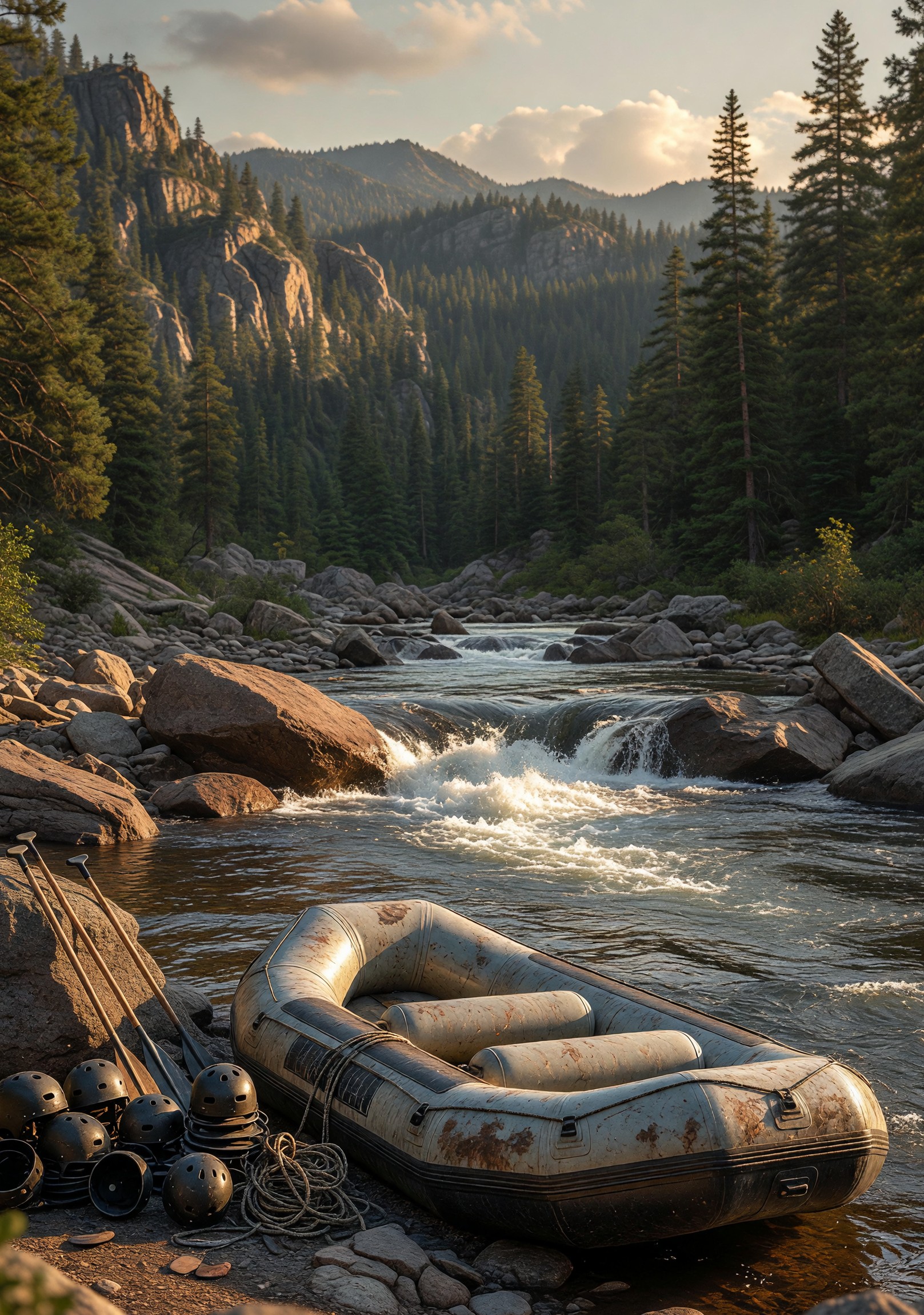
The rush of whitewater crashing against your raft hits like a thunderclap, awakening senses dulled by daily routines. Whitewater rafting isn’t just a sport; it’s a primal dialogue with nature’s untamed power, where every twist in the current demands trust in your team and the river’s rhythm. This adrenaline-fueled pursuit matters now more than ever because our rivers—lifelines of ecosystems—are under pressure from overuse and climate shifts. Yet, rafting invites you to plunge in, not as a conqueror, but as a guardian, fostering a deep appreciation for the waterways that sustain us all. Picture the camaraderie of paddling through frothing rapids, laughter echoing over the roar, as you navigate Class III waves that test your mettle without overwhelming beginners. It’s accessible too: outfitters cater to all levels, from gentle floats for families to heart-pounding descents for thrill-seekers. The sport’s resurgence draws urban escapees craving authentic outdoor bonds, blending physical challenge with mental reset. Safety innovations, like advanced life vests and guided tours, make it welcoming, while sustainable practices ensure these wild corridors thrive for generations. Whether you’re eyeing a multi-day expedition or a half-day jaunt, rafting promises transformation—emerging soaked, exhilarated, and profoundly connected to the pulse of the planet. Dive deeper, and you’ll find it’s not merely about surviving the rapids; it’s about riding the wave of adventure responsibly.
Gearing Up for the Rapids
Selecting the right equipment sets the foundation for a seamless rafting experience. Start with a personal flotation device (PFD) that fits snugly—look for ones with quick-release buckles and reflective strips for visibility. Helmets are non-negotiable; opt for lightweight models with adjustable chin straps to shield against low branches or unexpected flips.
Essential Paddle and Footwear Choices
Your paddle should feel like an extension of your arm—choose T-grip handles for control and blades suited to the river’s flow. For footwear, secure water shoes or booties prevent slips on slick decks, while neoprene socks keep feet warm in chilly waters. Trends lean toward eco-conscious gear: rafts crafted from recycled materials and paddles made with sustainable composites reduce environmental impact without sacrificing durability.
Prime Destinations to Paddle
Rivers carve through stunning landscapes, offering diverse terrains for every skill level. Western canyons boast multi-day journeys with towering rock walls and hidden side hikes, ideal for immersive escapes. Southern waterways provide warmer climes and milder rapids, perfect for introducing newcomers to the sport’s joys.
Family-Friendly vs. Expert Runs
For families, seek guided trips on scenic floats where rapids build gradually, allowing time to savor wildlife sightings. Experts chase high-volume runs in remote gorges, where Class V drops demand precision and teamwork. Always book with reputable outfitters who prioritize low-impact routes to preserve these natural gems.
Prioritizing Safety on the Water
Safety anchors every rafting outing, turning potential peril into pure thrill. Before launching, brief your crew on signals—paddle commands and emergency whistles ensure synchronized efforts. Check weather forecasts religiously; sudden swells can transform a tame river into a beast.
Training and First Aid Essentials
Enroll in swiftwater rescue courses to build confidence in handling swims or rescues. Pack a waterproof first-aid kit stocked with bandages, antiseptics, and medications for common mishaps like strains or sunburns. Guides emphasize the buddy system: never raft alone, and always scout rapids upstream for hidden hazards.
Sustainable Practices for Lasting Adventures
Rafting thrives when we tread lightly, embracing principles that protect rivers for future paddlers. Follow Leave No Trace by packing out all waste, from snack wrappers to biodegradable soaps used sparingly. Support operators using electric shuttles and low-emission boats to minimize your footprint.
Community and Conservation Efforts
Join river cleanups or advocate for flow protections—many communities rally around shared waterways. Choose gear from brands committed to ethical sourcing, like helmets from recycled plastics. By integrating these habits, you contribute to a vibrant rafting culture that balances exhilaration with ecological stewardship.
Ready to feel the river’s call? Assemble your gear, rally your crew, and book that trip—your epic rafting story awaits just downstream.
Key Takeaways
- Invest in well-fitted PFDs and helmets to prioritize safety from the start.
- Select eco-friendly gear made from sustainable materials to lessen environmental impact.
- Choose destinations based on your skill level, starting with guided beginner runs.
- Always check weather and scout rapids to avoid unexpected dangers.
- Practice Leave No Trace by packing out waste and using biodegradable products.
- Build team trust through clear communication and pre-trip briefings.
- Support conservation by joining local river advocacy groups.