
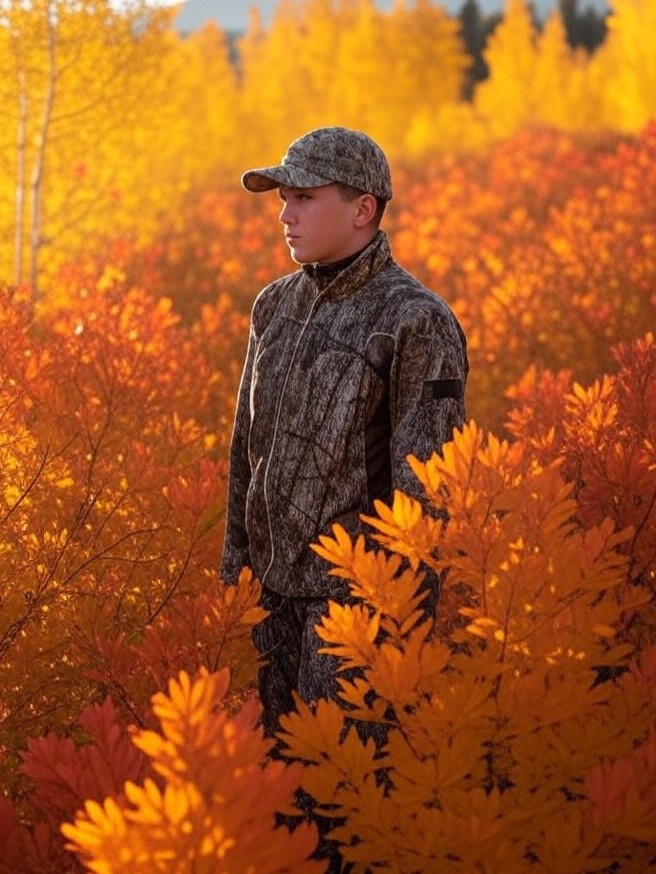
A startling statistic from the National Shooting Sports Foundation reveals that participation in hunting among youth aged 6-17 has declined by nearly 20% over the past decade, yet programs aimed at reversing this trend are gaining momentum. As we step into 2025, youth hunting programs are becoming a vital bridge to reconnect younger generations with the outdoors, fostering not just skills but a deep respect for nature. These initiatives are more than just a way to pass down traditions; they’re a response to the urgent need for conservation awareness and sustainable outdoor practices in a world increasingly dominated by screens. With urban sprawl and digital distractions pulling kids away from wild spaces, the stakes couldn’t be higher to get them back into the field.
What’s exciting is how these programs are evolving. From mentorship-driven workshops to tech-savvy apps that gamify tracking skills, 2025 is shaping up to be a landmark year for engaging young hunters. Organizations are doubling down on inclusivity, ensuring access for diverse backgrounds, while emphasizing safety and ethical hunting. Whether you’re a parent looking to introduce your child to the outdoors or a seasoned hunter eager to mentor the next generation, youth hunting programs offer a meaningful way to build community and preserve our natural heritage. Let’s explore how these initiatives are adapting to modern challenges and why they’re worth your attention this year.
Why Youth Hunting Programs Matter in 2025
In an era where outdoor activities compete with virtual realities, youth hunting programs are a critical tool for conservation education. According to recent studies, early exposure to hunting correlates with lifelong advocacy for wildlife protection—something desperately needed as habitat loss accelerates. These programs teach responsibility, patience, and the importance of sustainable harvest, countering misconceptions about hunting with facts about ecosystem balance. In 2025, expect a surge in partnerships between state wildlife agencies and schools, integrating outdoor education into curricula to reach kids who might never otherwise step into the woods.
Key Features of Modern Youth Hunting Programs
Mentorship and Safety First
At the heart of any reputable program is a focus on mentorship. Experienced hunters guide youths through every step, from firearm safety to ethical decision-making. In 2025, many programs are adopting virtual reality simulations for initial training, allowing kids to practice in a controlled environment before handling real gear. Look for programs certified by organizations like the National Rifle Association or state wildlife departments, which often mandate strict safety protocols.
Inclusivity and Accessibility
Gone are the days when hunting was seen as an exclusive activity. Programs now prioritize outreach to urban youth, girls, and underrepresented communities. Initiatives like the National Wild Turkey Federation’s JAKES program offer scholarships and free gear to break down financial barriers. In 2025, expect mobile apps to connect young hunters with local mentors, making it easier than ever to get started regardless of location.
Essential Gear for Young Hunters in 2025
Equipping a young hunter doesn’t have to break the bank, but quality and safety are non-negotiable. Start with a lightweight, youth-sized rifle or bow—brands like Savage Arms and Bear Archery offer adjustable models perfect for growing kids. High-visibility clothing is a must; look for 2025’s eco-friendly options made from recycled materials by companies like Sitka Gear. Don’t skimp on boots—Merrell’s youth line provides durability and waterproofing for under $100. Finally, invest in a tracking app like onX Hunt, which now includes kid-friendly tutorials to teach navigation basics sustainably.
Top Destinations and Programs to Explore
For hands-on experience, check out state-specific youth hunting weekends, often held in fall or spring. Wisconsin’s Learn to Hunt program, for instance, pairs novices with mentors on public lands, while Texas offers youth-only deer seasons with relaxed regulations to encourage participation. Nationally, the Youth Hunter Education Challenge (YHEC) hosts events with archery, riflery, and orienteering competitions—perfect for building skills in a fun, social setting. In 2025, many of these programs are expanding virtual registration and offering hybrid events to reach more families.
Key Takeaways
- Youth hunting programs are crucial for conservation education and combating declining outdoor engagement in 2025.
- Look for mentorship-driven initiatives with strict safety protocols, often backed by state or national organizations.
- Inclusivity is a growing focus—seek programs that offer scholarships or free gear for accessibility.
- Invest in quality, youth-sized gear like adjustable rifles, high-vis clothing, and durable boots for safety and comfort.
- Explore state-specific youth hunting weekends or national events like YHEC for hands-on experience.
- Use tech tools like onX Hunt to teach navigation and tracking in a sustainable, engaging way.
- Get involved as a mentor or parent to build community and pass down ethical hunting values.
As we look ahead to 2025, there’s no better time to introduce a young person to the transformative power of hunting. Whether you’re signing up for a local program, downloading a skill-building app, or simply sharing stories from the field, your involvement can spark a lifelong passion for the outdoors. Start by researching programs in your area today—let’s ensure the next generation carries forward the legacy of conservation and adventure.