
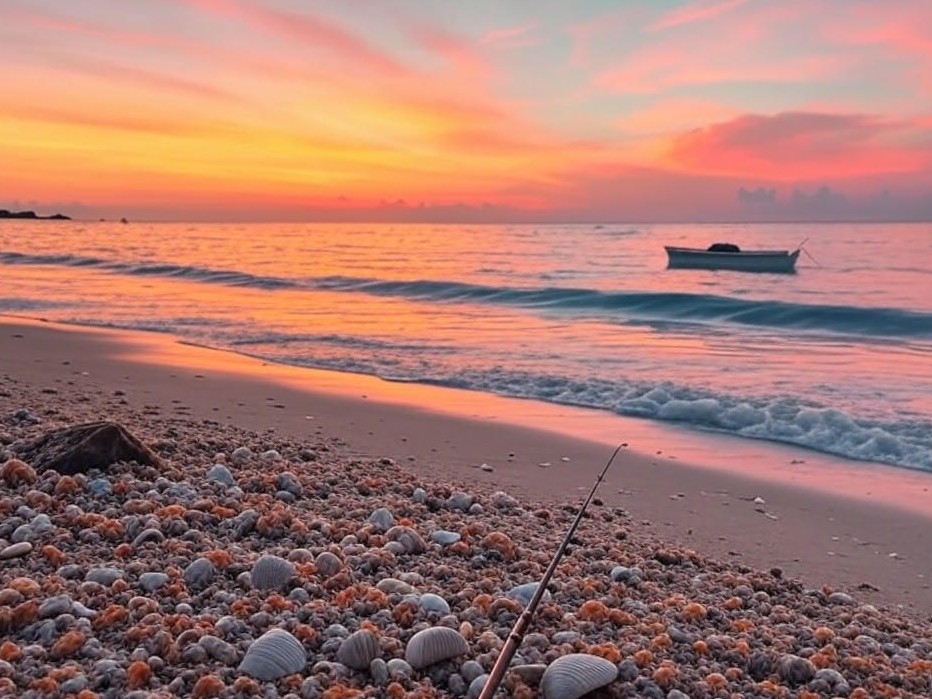
Imagine standing on a sun-drenched pier, the salty breeze tousling your hair, as the vast ocean stretches endlessly before you. Seagulls cry overhead, and the rhythmic crash of waves against the shore sets the perfect backdrop for a day of saltwater fishing. This beloved outdoor pursuit draws millions to coastal waters each year, offering not just a chance to reel in a big catch but also a deep connection to nature. Whether you’re casting a line from a boat in the open sea or wading through shallow inshore waters, saltwater fishing is an adventure that tests skill, patience, and appreciation for the marine world. From the thrill of battling a powerful tuna to the quiet satisfaction of a day spent by the water, this activity captivates outdoor enthusiasts of all levels. Let’s dive into the salty depths of this timeless pastime and uncover its allure.
- Offers thrilling challenges with diverse, powerful fish species in dynamic ocean environments.
- Connects anglers to nature through coastal and open-sea outdoor experiences.
- Supports local economies and fosters community through shared fishing traditions.
Overview of Saltwater Fishing
Saltwater fishing, the art of angling in ocean or coastal waters, is a cornerstone of outdoor recreation worldwide. Unlike freshwater fishing, it presents unique challenges with stronger currents, larger species, and ever-changing tides. From the shallow flats of inshore fishing—targeting species like redfish and speckled trout—to deep-sea expeditions for marlin or swordfish, the variety is staggering. According to recent data from the National Marine Fisheries Service, over 9 million Americans participated in saltwater fishing in 2023, contributing billions to the economy. Its significance lies not just in sport but in its deep ties to cultural heritage and marine conservation. For outdoor enthusiasts, it’s a gateway to exploring vast ecosystems while honing skills in a dynamic, unpredictable setting. This pastime is as much about the journey as it is about the catch.
Key Aspects of Modern Saltwater Fishing
Today’s saltwater fishing scene is evolving with exciting trends and features. Technology plays a big role, with advanced fish finders and GPS systems helping anglers locate prime spots. Sustainable practices are also on the rise, as more fishermen adopt catch-and-release methods to protect overfished species. Inshore fishing remains popular for its accessibility, while offshore trips are trending among thrill-seekers chasing trophy fish like tuna or sailfish. Additionally, specialized gear—think corrosion-resistant rods and reels—is becoming standard to combat the harsh saltwater environment. Social media has amplified the sport’s reach, with online communities sharing real-time tips and catches, inspiring beginners to join in. Whether it’s the latest lightweight lures or eco-friendly initiatives, these aspects reflect a growing, innovative culture that balances tradition with modern demands for conservation and accessibility.
Driving Factors Behind Its Popularity
Several factors fuel the enduring appeal of saltwater fishing among outdoor enthusiasts. First, the sheer diversity of species—from snapper to shark—offers endless challenges and excitement. The accessibility of coastal areas, with public piers and charter boats, makes it easy for anyone to start. Economic motivations also play a part; fishing tournaments often boast hefty cash prizes, drawing competitive anglers. On a deeper level, the sport provides an escape from daily stress, immersing participants in nature’s raw beauty. Climate and seasonal patterns influence participation, with warmer months seeing spikes in activity along popular coasts like Florida or California. Additionally, media coverage, including televised events like the NFL saltwater fishing tournament, boosts visibility. These drivers combine to keep the sport thriving, appealing to both seasoned anglers and curious newcomers seeking adventure.
Community Impact of Saltwater Fishing
Saltwater fishing weaves a rich tapestry of social and economic benefits for coastal communities. Economically, it’s a powerhouse—supporting local businesses like bait shops, marinas, and charter services. The National Oceanic and Atmospheric Administration notes that recreational fishing contributes over $60 billion annually to the U.S. economy. Socially, it fosters camaraderie through fishing clubs, tournaments, and family traditions passed down generations. Events like the New England Saltwater Fishing Show bring anglers together, sharing knowledge and passion. However, it also raises conservation concerns, as overfishing can strain marine ecosystems. Many communities now advocate for sustainable practices, balancing enjoyment with environmental stewardship. From small fishing villages to bustling tourist hubs, the sport shapes identities, strengthens bonds, and underscores the importance of protecting our oceans for future generations of outdoor lovers.
Practical Tips for Saltwater Anglers
- Choose the Right Gear: Invest in corrosion-resistant rods, reels, and lines designed for saltwater to withstand harsh conditions.
- Learn the Tides: Study tidal charts before heading out; many fish feed actively during incoming or outgoing tides.
- Use Proper Bait: Match bait to target species—live shrimp for inshore fish, cut bait or lures for larger offshore catches.
- Safety First: Always wear a life jacket on boats and check weather forecasts to avoid sudden storms at sea.
- Practice Conservation: Follow local regulations, limit catches, and consider catch-and-release to preserve fish populations for future anglers.
These tips, grounded in expert advice, can elevate your saltwater fishing game, ensuring both success and sustainability on the water.
Future Outlook for Saltwater Fishing
The future of saltwater fishing holds both promise and challenges. Advancements in technology, like AI-driven fish tracking apps, will likely make locating catches easier, enhancing efficiency for anglers. However, climate change poses a significant threat, altering fish migration patterns and warming ocean temperatures, which could impact species like trout or walleye, as noted in conservation discussions online. Sustainability will remain a critical focus, with stricter regulations and eco-friendly gear gaining traction to combat overfishing. Community-driven initiatives, such as tagging programs for research, are expected to grow, helping preserve marine life. For outdoor enthusiasts, the sport may shift toward more guided, conservation-focused experiences. While the thrill of the catch endures, adapting to environmental changes will be key to ensuring saltwater fishing remains a cherished pastime for decades to come.
Frequently Asked Questions
What is the best time of year for saltwater fishing? Late spring to early fall, especially summer, is ideal as fish are more active in warmer waters.
What gear do I need to start saltwater fishing? Begin with a sturdy rod, corrosion-resistant reel, strong line, and basic lures or bait suited for saltwater.
How can I fish sustainably in saltwater environments? Follow local catch limits, use barbless hooks, and practice catch-and-release to minimize impact on fish populations.
As the sun sets over a shimmering ocean, saltwater fishing remains a timeless call to the wild for outdoor enthusiasts. It’s more than a sport—it’s a bond with nature, a test of grit, and a shared legacy. So grab your rod, feel the sea spray, and cast into an adventure that promises both challenge and serenity on every wave.