
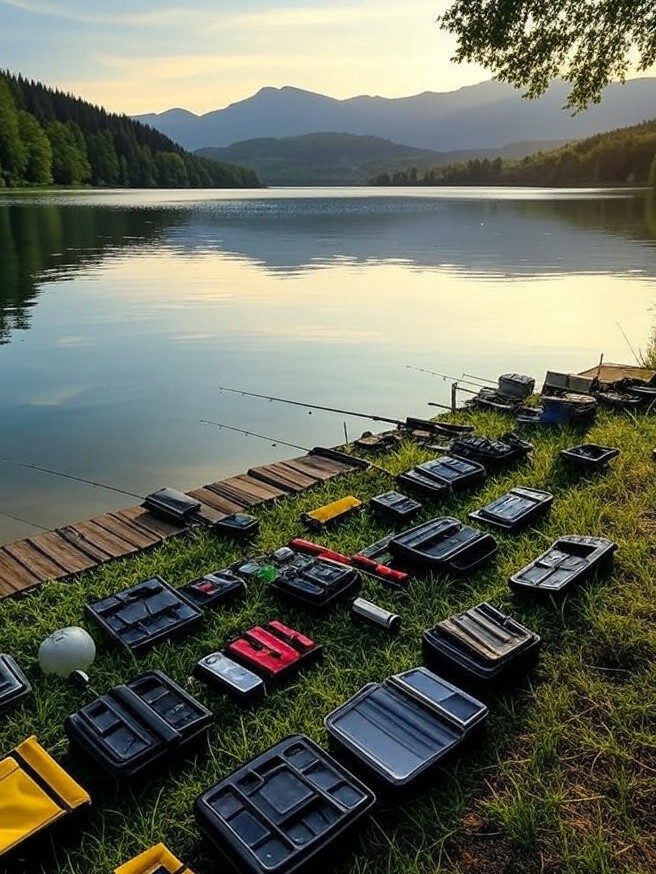
The sun crests over a secluded pond, casting golden ripples across the water as a bass surges from the depths, mouth agape for the lure. In that electric moment, freshwater fishing reveals its raw allure—a blend of patience, precision, and the thrill of connecting with nature’s hidden rhythms. This pursuit draws millions to lakes, rivers, and streams, offering not just the chance to reel in trophy fish but a deeper bond with the environment. Right now, as waters warm and fish stir with renewed energy, anglers are rediscovering the joys of targeting species like bass, trout, and walleye in accessible, pristine settings. It’s more than sport; it’s therapy amid bustling lives, a way to unplug and recharge while honing skills passed down through generations.
What makes freshwater fishing matter so urgently? Our rivers and lakes face pressures from development and climate shifts, yet they remain resilient havens teeming with life. Enthusiasts are turning to sustainable methods to ensure these spots thrive for future casts. Whether you’re a novice feeling the pull of your first outing or a seasoned angler eyeing bigger challenges, this activity promises adventure at every bend. Imagine the satisfaction of outsmarting a sly pike or the peace of dawn on a misty shoreline. With the right gear and techniques, you’ll tap into trends like finesse rigging and eco-friendly lures that boost success rates without harming habitats. Communities are buzzing with shared stories around campfires, fostering a sense of belonging. As you prepare your tackle, excitement builds—the water calls, ready to deliver stories worth retelling.
Essential Gear for the Modern Angler
Outfitting yourself properly sets the stage for memorable hauls. Start with a versatile rod and reel combo: a medium-action spinning setup around seven feet long pairs well with a 2500-series reel for balanced casting in tight spots or open waters. Load it with 8- to 12-pound monofilament line for strength without visibility issues—fluorocarbon leaders add stealth for wary fish.
Rods and Reels
Opt for lightweight graphite rods that flex just right for fighting bass or trout. Spincast combos ease beginners into the swing of things, while baitcasters offer pros pinpoint accuracy for topwater lures.
Lures and Baits
Trends lean toward versatile options like soft plastics in natural colors, jigheads for bottom bouncing, and crankbaits mimicking injured minnows. PowerBait dough excels for stocked trout, and live worms or minnows draw strikes in rivers. Don’t forget circle hooks to promote ethical catches.
Accessories That Matter
Polarized sunglasses cut glare for spotting structure, pliers aid in quick releases, and a landing net prevents line tangles. Waders and a waterproof pack keep you dry during stream wades, while a tackle box organizes hooks, sinkers, and swivels efficiently.
Proven Techniques to Hook Your Limit
Success hinges on reading the water and adapting to fish behavior. Finesse tactics dominate current patterns—drop-shot rigs dangle worms above the bottom to tempt finicky bass, while slow-rolling spinnerbaits flutter through weeds for aggressive strikes. In clearer streams, dry flies entice rising trout; switch to nymphs for subsurface action.
Targeting Key Species
For largemouth bass, focus on lily pads and submerged logs with Texas-rigged worms. Walleye favor dusk hours near drop-offs, responding to jig-minnow combos. Pike lurk in weedy bays, slashing at large spoons or swimbaits—use heavy leaders to withstand their teeth.
Reading the Water
Look for current breaks, depth changes, and cover. Electronics like fish finders reveal schools, but instinct guides the best days. Practice catch-and-release: wet hands before handling to protect slime coats, minimizing stress for quick revival.
Hidden Gems: Where to Cast Next
America’s inland waters overflow with prime spots, from sprawling reservoirs to winding creeks. Head to southern impoundments like those in Texas for monster bass lurking in hydrilla beds, or northern chains of lakes in Michigan teeming with perch and pike. The Northeast’s Champlain offers versatile angling for smallmouth amid scenic islands, while Colorado’s rivers challenge fly fishers with feisty cutthroats.
Regional Highlights
In the Midwest, vast systems like the Great Lakes’ tributaries yield trophy walleye via trolling. Western streams, fed by snowmelt, host rainbow trout in crystal pools. Always check local regs for access and limits—joining guided trips connects you with experts who know the honey holes.
Fishing Responsibly for Lasting Legacy
Sustainability isn’t optional; it’s the angler’s code. Adhere to bag limits and seasons to let populations rebound, avoiding overfished zones. Use barbless hooks for easier releases, and support habitat restoration through community cleanups. Bycatch matters—release non-targets swiftly. By treading lightly, you preserve the thrill for all, turning each outing into a contribution to healthier ecosystems.
Key Takeaways
- Choose a medium spinning rod and reel for versatile freshwater pursuits, spooled with 8-12 lb line.
- Embrace finesse techniques like drop-shots and soft plastics to outsmart pressured fish.
- Wet your hands and use nets for safe, quick catch-and-release to protect fish health.
- Explore diverse spots from bass-rich reservoirs to trout streams, respecting local regulations.
- Pack polarized glasses and pliers as must-haves for spotting fish and efficient handling.
- Prioritize sustainability: follow limits, use circle hooks, and join habitat efforts.
- Build community by sharing tips and experiences—fishing thrives on camaraderie.
Ready to wet a line? Assemble your kit, scout a nearby water, and dive into the timeless chase. Your personal best is just one cast away—get out there and make it happen.