
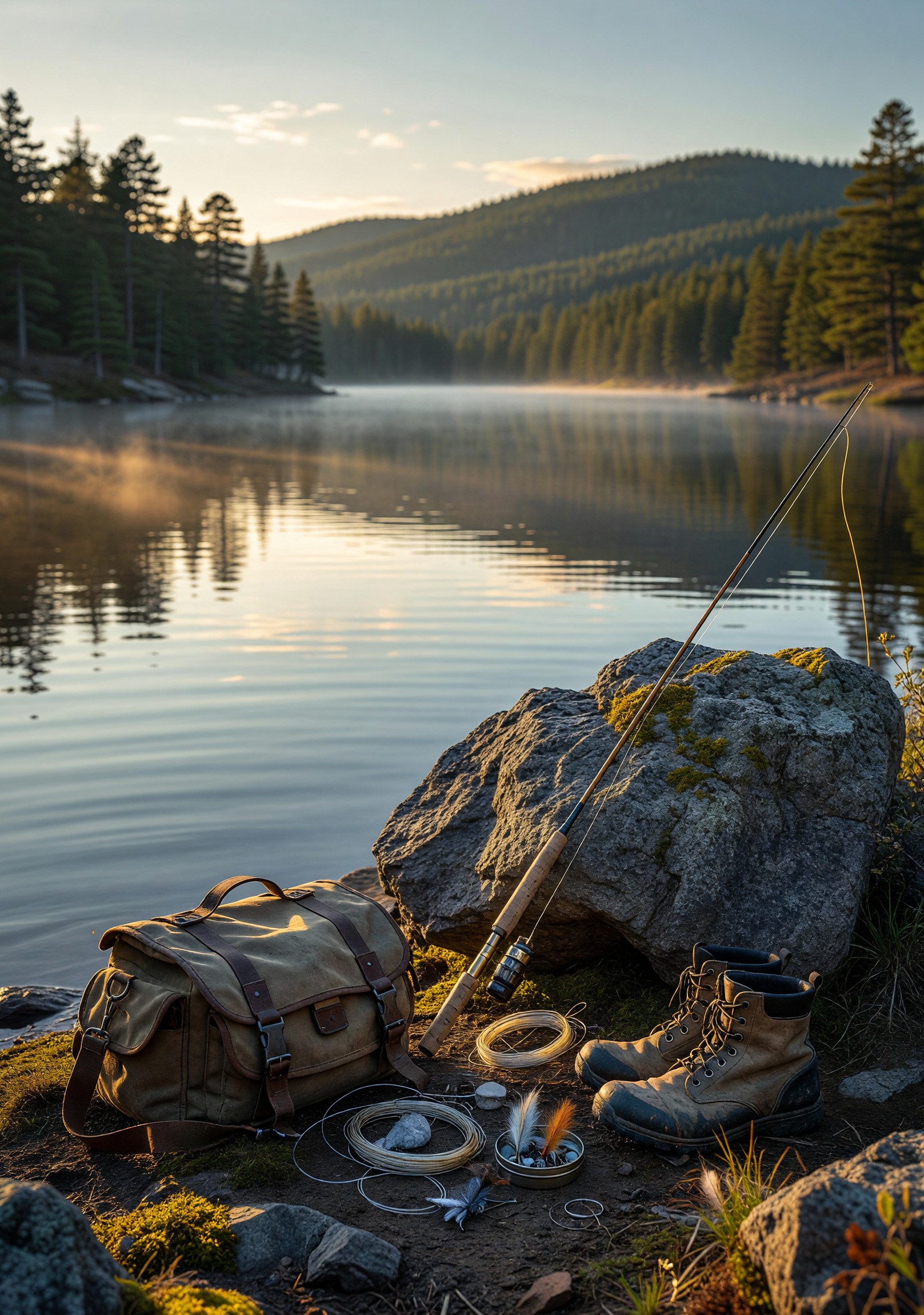

Sunlight filters through overhanging branches, casting dappled patterns on the water’s surface as your line slices the air and plops softly into the stream. In that moment, the world narrows to the subtle tug on your rod, the thrill of a strike pulling you into the timeless rhythm of freshwater fishing. This pursuit isn’t just about the catch; it’s a gateway to serenity, a way to reconnect with nature’s pulse amid the chaos of daily life. Right now, with rivers and lakes brimming with bass, trout, and panfish, freshwater angling stands out as one of the most approachable outdoor escapes. No need for exotic travel or high costs—just a rod, some bait, and a willingness to learn.
What draws so many to these waters? The accessibility, for one. From urban ponds to remote wilderness streams, opportunities abound for novices and veterans alike. Yet, as angler numbers grow, so do the pressures on fragile ecosystems. Overfishing and environmental shifts remind us to approach this passion mindfully, prioritizing sustainability to ensure future generations can share the same joy. Imagine the satisfaction of landing a feisty smallmouth bass, then releasing it back to fight another day. That’s the heart of modern freshwater fishing: skillful pursuit blended with stewardship. Whether you’re chasing trophy walleye or simply unwinding by the shore, this activity builds community, sharpens focus, and delivers that unbeatable adrenaline rush. As you wade into deeper waters—literally and figuratively—discover techniques honed by seasoned guides, gear that withstands the elements, and spots that promise unforgettable outings. Get ready to hook into an adventure that refreshes the soul.
Essential Gear for Every Angler
Starting out doesn’t require breaking the bank, but smart choices in equipment set the stage for success. Focus on versatile pieces that handle diverse conditions, from calm ponds to swift rivers.
Rods and Reels: The Foundation
A medium-action spinning rod around 6 to 7 feet pairs perfectly with a 2500-size reel for beginners—easy to cast and forgiving on the line. Spincast combos offer even simpler operation, ideal for those new to the sport. Opt for durable graphite construction to feel every nibble without fatigue during long days on the water.
Baits and Lures: Matching the Hatch
Live bait like worms or minnows works wonders for panfish and catfish, while soft plastic swimbaits mimic injured prey to entice bass. Jigs tipped with grubs shine in deeper holes. Experiment with colors—natural greens and browns for clear water, brighter hues for murky spots—to boost your odds.
Must-Have Accessories
Polarized sunglasses cut glare to spot fish below the surface, while pliers and a net ensure safe handling. Don’t forget a tackle box for organization, rain gear for unpredictable weather, and a first-aid kit—safety first on slippery banks.
Proven Techniques to Land Your Catch
Mastering the basics elevates your time on the water from hopeful casts to confident hauls. Pay attention to the environment; fish respond to light, temperature, and cover.
Reading the Water and Casting Smart
Look for structure: fallen logs, weed beds, and drop-offs where fish ambush food. Cast upstream in rivers to let your lure drift naturally, or fan out patterns in lakes to cover ground. Practice the overhead cast on dry land to build accuracy and avoid tangles.
Targeting Key Species
For largemouth bass, flip jigs into thick cover during low-light hours. Trout favor fast water; use lightweight flies or spinners to imitate insects. Walleye hunt at dusk—troll crankbaits slowly along edges. Patience pays off; let the bait work, and set the hook firmly on the strike.
Adapting to Conditions
Windy days? Shorten casts and use heavier sinkers. In hot weather, fish early or late to avoid stressing the water. Electronics like basic fish finders help pinpoint schools, but honing your instincts keeps it authentic.
Prime Spots to Cast Your Line
America’s freshwater havens offer variety for every style, from boat launches to hike-in streams. Seek permits and local rules to fish legally and respectfully.
Lakes and Reservoirs for Big Water Action
Vast bodies like those in Texas and Michigan teem with trophy bass and pike. Launch a kayak or rent a boat to access coves where stripers school. These spots reward persistence with limits full of fighters.
Rivers and Streams for Intimate Pursuits
Colorado’s clear waters host rainbow trout amid rocky riffles, perfect for wading anglers. Eastern border lakes blend calm bays with current, ideal for perch and smallmouth. Pack light and embrace the solitude—these flows deliver pure, unfiltered angling bliss.
Urban and Regional Gems
Even near cities, ponds and tailwaters provide quick getaways for crappie and bluegill. Join local clubs for insider tips on honey holes that balance accessibility with wild appeal.
Fishing with the Future in Mind
Sustainability isn’t a buzzword—it’s essential for preserving the waters we love. Responsible habits ensure thriving fisheries for all.
Catch-and-Release Best Practices
Wet your hands before handling fish to protect their slime coat, use barbless hooks for easy release, and revive tired catches in current. Keep only what you’ll eat, respecting bag limits to prevent overharvest.
Protecting Habitats
Avoid sensitive areas like spawning beds, pack out trash, and support cleanups. Choose lead-free sinkers to safeguard wildlife. Educate yourself on invasive species—clean gear between waters to stop their spread.
Building Community
Connect with anglers through forums or events to share knowledge. Advocate for conservation by backing habitat projects. Together, we keep freshwater fishing vibrant and inclusive.
Ready to make your mark? Dust off that rod, check your local regulations, and hit the water. Whether solo or with friends, each outing promises discovery and that exhilarating bend in the rod. The streams are calling—answer with a cast.
Key Takeaways
- Start with a versatile spinning rod and reel combo for ease and reliability on various waters.
- Match baits to local forage—worms for bottom feeders, lures for predators—to increase strikes.
- Observe water features like cover and current to position yourself where fish feed actively.
- Practice catch-and-release with wet hands and barbless hooks to support healthy populations.
- Always secure a fishing license and follow limits for legal, ethical angling.
- Pack essentials like polarized glasses and pliers for safety and efficiency.
- Join local fishing communities to learn spots and contribute to conservation efforts.