
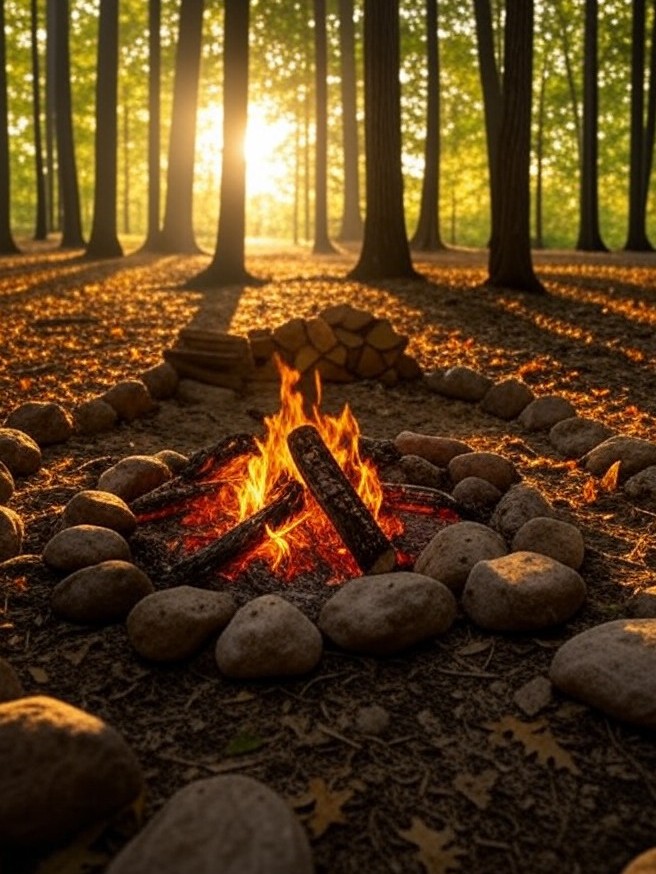
In the vast wilderness, a single ember can mean the difference between enduring the chill of night or succumbing to it, underscoring fire’s primal power in outdoor pursuits. Firecraft isn’t just about striking a match; it’s the art of harnessing flame to sustain life, cook sustenance, and foster camaraderie around a glowing hearth. As more adventurers venture into remote trails and backcountry sites, mastering these skills becomes crucial amid shifting weather patterns and heightened environmental awareness. Whether you’re a weekend camper or a seasoned trekker, proficient firecraft elevates every outing, turning potential discomfort into memorable comfort. It builds confidence, knowing you can ignite warmth even when conditions turn damp and unforgiving.
Consider the thrill of watching dry leaves catch and flicker into a steady blaze, the scent of pine smoke mingling with roasting marshmallows. Yet, this craft demands respect—mishandled, fire can scar landscapes or endanger lives. Today, with growing emphasis on eco-conscious exploration, firecraft evolves to blend time-honored methods with innovative tools that prioritize safety and minimal impact. From selecting the perfect tinder bundle to extinguishing embers completely, each step reinforces a deeper connection to nature. Enthusiasts report that honing these abilities not only prepares them for unexpected challenges but also enriches the sensory joy of being outdoors. As you read on, prepare to arm yourself with practical knowledge that transforms novice attempts into expert executions, ensuring your fires burn bright without leaving a trace.
Mastering the Fundamentals of Fire Building
At its core, firecraft revolves around three essential elements: tinder, kindling, and fuel. Start with tinder—the fine, flammable material that catches a spark easily. Dry grass, birch bark shavings, or cotton balls soaked in petroleum jelly work wonders. Nestle your spark source into a loose bundle to allow oxygen flow, then gently blow to coax it into flame.
Transition to kindling next: thin twigs and small branches that build the fire’s structure. Arrange them in a teepee shape around the tinder for optimal airflow, avoiding tight packing that smothers the nascent blaze. As the kindling ignites, add progressively larger fuel wood—logs that sustain the fire through the night. Opt for hardwoods like oak for longer burns, and always source dead, downed materials to preserve live trees.
Proven Techniques for Ignition
For reliability, ferrocerium rods deliver hot sparks in windy conditions, outperforming matches in wet weather. Traditionalists might favor the bow drill, rubbing a spindle against a wooden base to generate friction heat, though it requires practice. Hybrid approaches, combining modern strikers with natural char cloth, bridge old and new for foolproof starts.
Top Gear Picks for Every Adventurer
Investing in quality fire-starting gear ensures success without frustration. Compact ferro rods with integrated strikers, like those from trusted outdoor brands, fit easily in a pocket and produce showers of 5,000-degree sparks. Waterproof tinder packets, infused with natural resins, ignite even when soaked, providing a safety net for rainy escapades.
Multi-tool lighters with windproof designs offer versatility, while magnesium bars shave off shavings that burn hot and long. For groups, consider fire starter cubes that melt into a self-sustaining flame, simplifying shared campfire duties. Prioritize gear that’s lightweight and durable, enhancing your pack without weighing you down. These tools not only spark fires but also spark conversations around the flames about favorite trips and tips.
Sustainable Choices in Fire Gear
Look for eco-friendly options, such as biodegradable tinders derived from plant fibers, aligning your kit with leave-no-trace principles. Avoid disposables that litter trails; instead, choose reusable items that last through countless adventures.
Prioritizing Safety and Environmental Stewardship
Safety anchors every firecraft endeavor. Always select a clear site at least 15 feet from tents, trees, and overhangs, digging a shallow pit or using an established ring. Keep a bucket of water and shovel nearby, never turning your back on the flames. In dry seasons, monitor wind shifts and have an escape plan.
Sustainability means building small, efficient fires that burn completely to ash, minimizing smoke and wood use. Scatter cooled ashes far from camp to return nutrients to the soil. Educate your group on these practices, fostering a community of responsible fire builders who protect the wild spaces we cherish.
Embrace firecraft fully by practicing in controlled settings before your next outing. Join local outdoor groups to share stories and refine techniques, ensuring safe, joyful flames light your path.
Key Takeaways
- Begin with dry tinder like birch bark or resin-soaked cotton to catch sparks quickly.
- Build fires in a teepee structure for better airflow and controlled growth.
- Carry a ferro rod and waterproof tinder for reliable starts in adverse weather.
- Keep fires small and attended, with water and tools ready for instant extinguishing.
- Source only dead wood to support forest health and sustainability.
- Burn wood fully to ash and disperse remains to leave no trace.
- Practice techniques at home to build confidence for wilderness scenarios.