
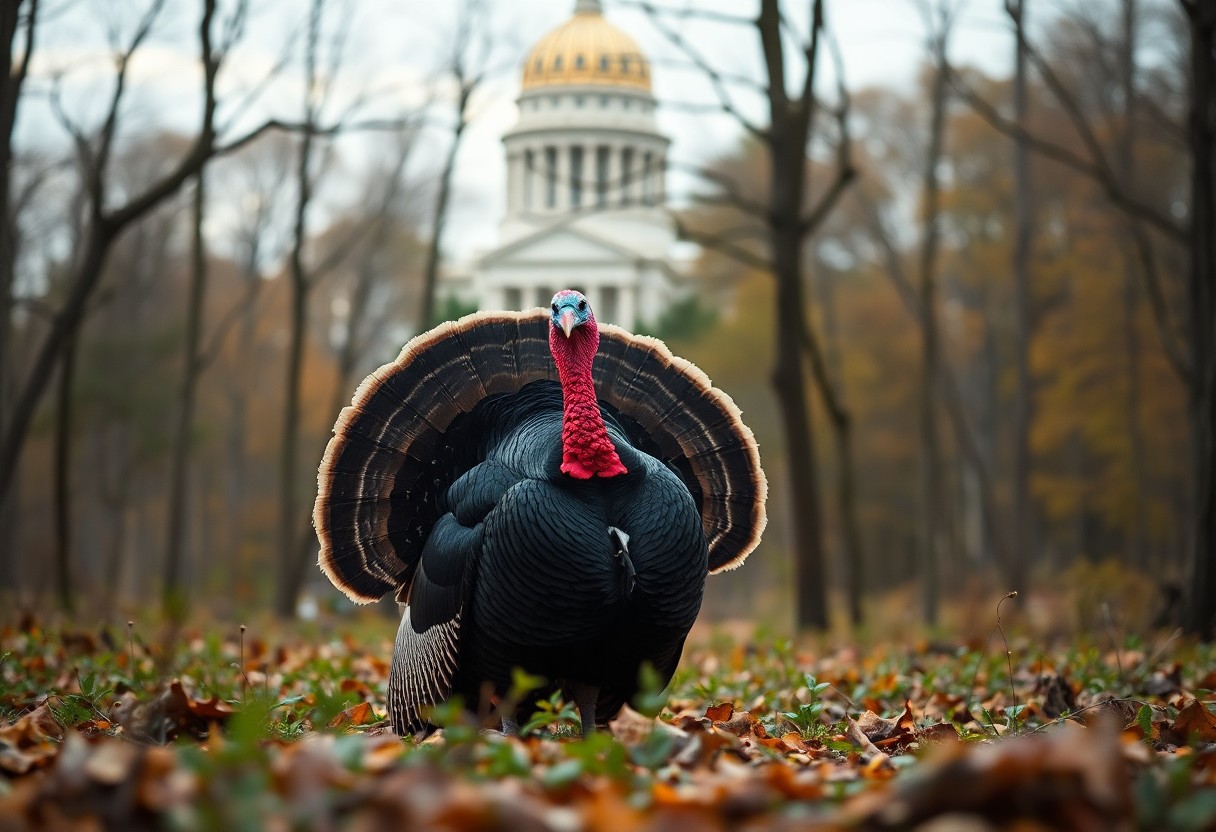

Over the past year, Georgia’s Department of Natural Resources (DNR) has significantly increased its budget allocation for wild turkey conservation projects, highlighting the state’s commitment to protecting this important species. They aim to enhance management efforts, ensuring sustainable populations and promoting habitat restoration initiatives. With the additional funds, conservationists are optimistic that the wild turkey population will rebound, contributing to biodiversity and enriching the state’s natural resources. This funding boost not only supports ecological balance but also bolsters hunting and tourism, affirming Georgia’s dedication to wildlife preservation.
Key Takeaways:
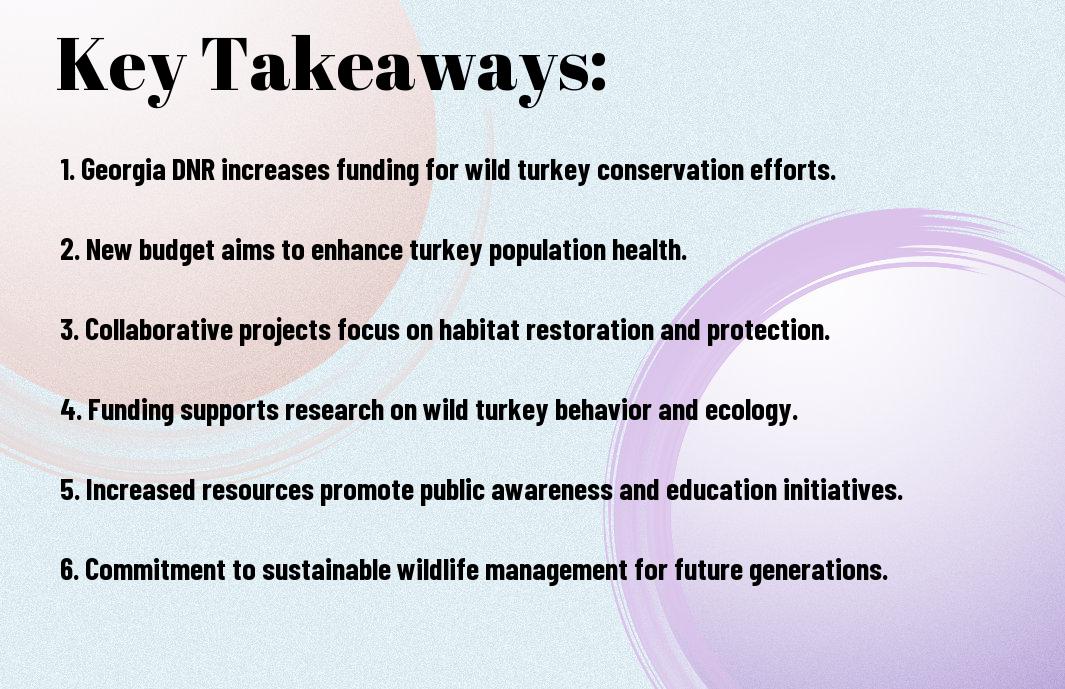
- Georgia’s Department of Natural Resources (DNR) has significantly increased funding for wild turkey conservation projects, aiming to enhance habitat management and turkey population sustainability.
- The funding boost is part of a broader initiative to ensure long-term ecological balance and promote responsible hunting practices within the state.
- Community engagement and collaboration with local stakeholders are emphasized, allowing for effective implementation of conservation strategies and promoting awareness about the importance of wild turkey conservation.
Overview of Wild Turkey Population in Georgia
A significant component of Georgia’s wildlife, the wild turkey population has seen fluctuations over the years due to environmental changes and habitat loss. Georgia’s Department of Natural Resources (DNR) emphasizes the importance of maintaining healthy turkey populations to ensure balanced ecosystems and uphold hunting traditions. Their recent budget increase is aimed at bolstering conservation efforts to support the restoration and management of these iconic birds.
Current Population Statistics
About 300,000 wild turkeys currently inhabit Georgia, representing a successful recovery since the early 20th century when populations dwindled to alarming lows. The DNR’s targeted conservation efforts focus on habitat restoration, public education, and maintaining sustainable hunting practices to ensure that these numbers continue to thrive.
Importance of Wild Turkeys in Ecosystems
Turkey populations play a significant role in maintaining ecosystem balance. They perform vital functions such as seed dispersal, helping to regenerate forests and maintain plant diversity. Additionally, they serve as food sources for predators, thus supporting the wider food chain. Their presence indicates a healthy environment, as these birds thrive in areas with adequate shelter and food.
It is crucial to recognize that wild turkeys contribute to the overall health of their environments. Their foraging habits help control insect populations, promoting healthier ecosystems. They also stimulate plant growth through their feeding activities. The loss of wild turkeys could lead to disruption in local biodiversity, making their conservation efforts not only vital for their survival but also for the health of surrounding ecosystems.
Funding Allocation
One notable outcome of Georgia DNR’s commitment to wildlife preservation is the increased budget allocation for wild turkey conservation projects. This funding boost reflects a growing recognition of the ecological importance of turkeys and the need for sustainable practices to protect their populations within the state.
Breakdown of Increased Budget
Around $1.2 million has been designated specifically for wild turkey programs, marking a significant increase compared to previous years. This substantial allocation is orientated towards monitoring, habitat restoration, and public outreach initiatives aimed at enhancing biodiversity and ensuring the long-term survival of wild turkeys in Georgia.
Specific Projects Funded
With this enhanced funding, various targeted projects are set to be implemented across the state. These initiatives are designed to effectively address specific challenges faced by wild turkey populations.
Projects include extensive habitat management efforts, which will restore key areas for turkeys, thereby improving their nesting and foraging conditions. Additionally, there are plans for an ongoing data collection scheme that will track turkey populations and assess their health and distribution across the state. Furthermore, educational programs will be developed to engage the public in conservation efforts, fostering a community of advocates committed to protecting wild turkey habitats for future generations.
Conservation Goals
After the Georgia Department of Natural Resources (DNR) announced an increased budget allocation for wild turkey conservation projects, they aim to enhance habitat management and population sustainability. A recent article titled NWTF Show Georgia Sportsmen The Money! emphasizes the importance of this funding in fostering community engagement and supporting research initiatives.
Short-term Objectives
One of the immediate objectives is to improve habitat conditions across Georgia, optimizing areas critical for turkey nesting and brooding. This initiative includes strategic management of state lands to promote healthy ecosystems that support robust turkey populations.
Long-term Vision
By focusing on sustainable practices, Georgia DNR envisions a thriving wild turkey population that captivates future generations. This vision incorporates long-term habitat restoration and continuous monitoring to ensure that turkey populations are resilient against environmental challenges.
Another key aspect of this long-term vision is collaboration with local communities and organizations to raise awareness about the significance of wild turkeys in Georgia’s ecosystem. By fostering a culture of conservation, they believe that they can address the dangers posed by habitat loss and changing climate conditions, ultimately leading to a balanced and healthy environment for both wildlife and residents alike.
Stakeholder Involvement
Not only is the Georgia Department of Natural Resources (DNR) pivotal in wildlife management, but it also actively engages various stakeholders in the wild turkey conservation initiative. They recognize the importance of collaboration with local communities, hunters, and agricultural stakeholders, fostering a collective effort that enhances the effectiveness of conservation projects.
Role of Georgia DNR
To support wild turkey populations, Georgia DNR has strategically increased its budget allocation, focusing on comprehensive conservation programs. Their initiatives include habitat restoration, population monitoring, and public education, which are vital to sustaining healthy turkey populations and ensuring a balanced ecosystem.
Collaboration with Environmental Organizations
For effective wild turkey conservation, partnerships with environmental organizations have become vital. These collaborations amplify efforts, allowing for shared resources, knowledge exchange, and expanded outreach programs aimed at fostering a deeper understanding of turkey ecology.
Understanding the synergy between Georgia DNR and environmental organizations plays a significant role in the success of conservation efforts. By combining their expertise and resources, they can tackle challenges associated with habitat loss and population decline. Recent data shows that collaboration has led to increased public engagement and successful outreach, fostering a greater appreciation for wild turkeys among Georgians. Enhanced monitoring and habitat restoration projects reflect their commitment to sustaining viable populations while educating the public on the importance of biodiversity in Georgia’s ecosystems.
Public Awareness and Education
Despite growing concern for Georgia’s wild turkey population, public awareness initiatives are gaining momentum. Enhanced funding for conservation projects allows the Georgia Department of Natural Resources (DNR) to educate the public on the importance of these birds. According to Georgia’s wild turkeys were once considered a conservation success but now are in decline, and it is imperative to raise awareness about their challenges while promoting sustainable practices for their protection.
Outreach Programs
Outreach initiatives are being developed to connect communities with the conservation efforts surrounding wild turkeys in Georgia. These programs focus on fostering collaboration between the DNR and local organizations, allowing for a broad dissemination of information and resources related to turkey conservation.
Community Engagement
To enhance conservation efforts, engagement with the community is crucial. Activating local interest in wild turkey populations helps to foster greater stewardship and understanding of wildlife management practices. The increased budget allocation enables DNR to implement various educational practices that target different demographics.
Hence, public participation plays a pivotal role in boosting awareness of the challenges faced by Georgia’s wild turkeys. Events tailored to all age groups, such as workshops and informational seminars, encourage active involvement while educating attendees about habitat preservation, successful breeding strategies, and hunting regulations. By leveraging community support, they can collectively work towards a healthier ecosystem for wild turkeys in Georgia.
Anticipated Impact
Now, the increased budget allocation from the Georgia DNR is expected to significantly enhance wild turkey conservation efforts across the state. By focusing on habitat restoration and sustainable population management, they aim to bolster turkey numbers and ensure ecological balance, thus fostering a healthier environment overall.
Ecological Benefits
Across Georgia, successful wild turkey conservation plays a vital role in maintaining biodiversity. As turkeys contribute to seed dispersal and insect population control, their thriving presence can enhance forest ecosystems, benefiting other wildlife species and promoting natural habitat rejuvenation.
Economic Implications
Anticipated funding improvements for turkey conservation are likely to bolster Georgia’s economy significantly.
This allocation could lead to a boost in tourism, as wild turkey hunting attracts thousands of enthusiasts each year. In fact, wildlife recreation contributes over $1 billion to the state’s economy, supporting local businesses such as hotels, restaurants, and equipment retailers. Furthermore, by fostering a robust turkey population, the Georgia DNR enhances outdoor recreational opportunities, ensuring a sustained economic impact on communities reliant on hunting and ecotourism. The integration of conservation efforts not only preserves the species but also supports livelihoods throughout the region.
Final Words
Summing up, the Georgia Department of Natural Resources has committed to enhancing wild turkey conservation through a significant budget increase. This funding will empower local initiatives and research efforts aimed at sustaining turkey populations and promoting biodiversity. As Georgia continues to emphasize wildlife conservation, they ensure that the state’s natural heritage remains vibrant for future generations. Their proactive measures are imperative for the continued success of turkey conservation projects across Georgia.
FAQ
Q: What prompted the increase in funding for turkey conservation in Georgia?
A: The Georgia Department of Natural Resources (DNR) recognized a decline in wild turkey populations, which prompted the decision to boost funding. The increased allocation aims to implement various conservation projects that support habitat restoration, research, and public education efforts to ensure the sustainability of wild turkey populations in the state.
Q: How will the additional funds be utilized in turkey conservation projects?
A: The additional funds will be directed towards several key initiatives, including habitat enhancement programs, population monitoring, research on turkey behavior and health, and educational outreach campaigns. These efforts are designed to improve habitat conditions and increase awareness about best practices for wild turkey conservation among the public and local hunters.
Q: How can individuals contribute to wild turkey conservation efforts in Georgia?
A: Individuals can contribute to turkey conservation by participating in hunting regulations, supporting local conservation organizations, and engaging in habitat improvement projects. Additionally, residents can educate themselves and others about the importance of preserving wildlife habitat and maintaining sustainable practices that benefit wild turkey populations.