
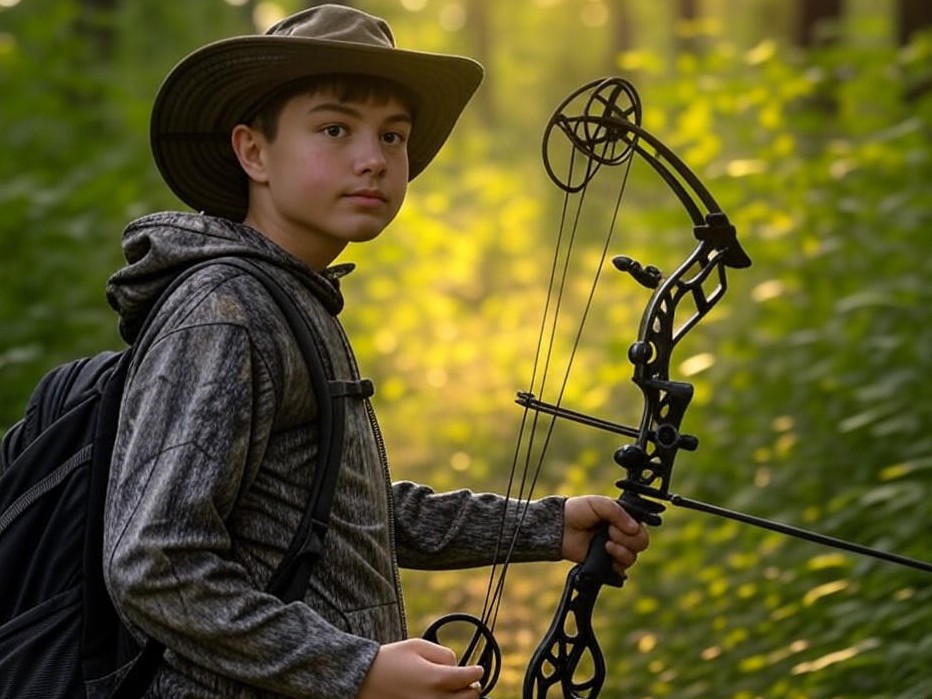
Picture this: a crisp autumn morning, dew glistening on the grass, as a group of eager young hunters, clad in camouflage, gather at the edge of a forest. Their eyes are wide with anticipation, rifles or bows in hand, as they listen to a seasoned mentor explain the day’s plan. This isn’t just a hunt—it’s a rite of passage, a connection to nature, and a lesson in responsibility. Youth hunting programs across the country are creating these transformative moments, introducing the next generation to the outdoors in a structured, safe, and meaningful way. From learning to track deer in the wilderness to understanding the ethics of conservation, these programs are more than just a sport; they’re a gateway to lifelong skills and values. Let’s dive into how these initiatives are shaping young hunters in 2025, focusing on the critical role of gear and the vibrant community culture they foster.
- Youth programs teach essential outdoor skills and safety for lifelong hunting passion.
- Modern gear innovations make hunting accessible and safer for young participants.
- Community bonds in programs create supportive networks for kids and families.
The Rise of Youth Hunting Programs in 2025
In 2025, youth hunting programs are experiencing a surge in popularity, with organizations like the NRA’s Youth Hunter Education Challenge (YHEC) reporting a 15% increase in participation over the past two years. These programs cater to kids aged 8 to 18, offering structured courses that blend hands-on hunting with education on ethics and safety. Whether it’s a weekend workshop or a week-long camp, the focus is on creating confident, responsible hunters. For many, like 12-year-old Mia from Ohio, who bagged her first turkey last fall, these programs are a family tradition—a way to bond with parents and grandparents while learning to respect the land. This growth reflects a broader trend of families seeking meaningful outdoor experiences in a tech-dominated world.
Gear Up: Essential Equipment for Young Hunters
Gear is the backbone of any hunting trip, and for youth, it’s about safety and accessibility. In 2025, manufacturers are prioritizing lightweight, adjustable equipment tailored for smaller frames. Rifles with reduced recoil, like those from Christensen Arms, and youth-sized bows from brands like CenterPoint Archery, are game-changers, costing between $300-$600. High-visibility vests and blaze orange hats, often under $20, are non-negotiable for safety. Many programs provide gear rentals or subsidies, ensuring cost isn’t a barrier. For parents, investing in quality boots with good traction—think brands like Merrell, around $50—can prevent slips on uneven terrain. Pro tip: involve your child in gear selection to build excitement and ensure a proper fit before heading into the field.
Community Culture: Building Bonds Through Hunting
Beyond the hunt, youth programs are forging tight-knit communities. Events like the Bancroft Fish and Game Club’s Youth Hunter Mentorship Program, active in 2025, pair kids with experienced mentors who teach not just skills but values like patience and respect for wildlife. These interactions often lead to lifelong friendships—imagine a shy 10-year-old finding a second family among fellow hunters at camp. Social gatherings, from post-hunt bonfires to award ceremonies for first harvests, celebrate every milestone. With over 100,000 youth participating in hunting activities annually, as reported by the U.S. Fish and Wildlife Service, these programs are a cultural cornerstone, reinforcing traditions while welcoming diverse newcomers, including urban kids eager to explore nature.
Practical Tips for Parents and Mentors
- Start with safety: Enroll kids in certified programs like YHEC for comprehensive training.
- Practice at home: Set up backyard target ranges to build confidence before hunts.
- Pack smart: Include snacks, water, and a first-aid kit for long days outdoors.
- Be patient: Allow kids to learn at their pace, celebrating small victories like tracking.
Impact on Families and Beyond
The ripple effect of youth hunting programs extends to entire families. Parents often rediscover their own love for the outdoors, with 30% of program volunteers being family members, according to recent surveys. Economically, the hunting industry benefits too—the USA hunting equipment market is projected to grow significantly by 2035, partly driven by youth engagement. More importantly, these programs instill a sense of stewardship. Kids learn that hunting isn’t just taking; it’s giving back through habitat preservation. Stories abound of teens organizing local cleanups after hunts, inspired by lessons from mentors. This blend of family bonding and civic duty makes youth hunting a powerful force for community good in 2025.
Frequently Asked Questions
What age is appropriate for starting youth hunting programs? Most programs accept kids aged 8-18, with beginner courses tailored for younger participants focusing on safety first.
Do programs provide gear, or should we buy our own? Many offer rentals or loans, but personal gear like boots and clothing ensures comfort and fit.
How can I find a local youth hunting program? Check with state wildlife agencies or national organizations like the NRA’s YHEC for nearby events.
As the sun sets on another hunting season, youth programs stand out as beacons of outdoor connection. They’re not just about the thrill of the chase but about crafting memories, skills, and values that last a lifetime. Whether it’s a child’s first deer or a shared laugh around a campfire, these experiences remind us why we venture into the wild—to grow, to bond, and to belong.