
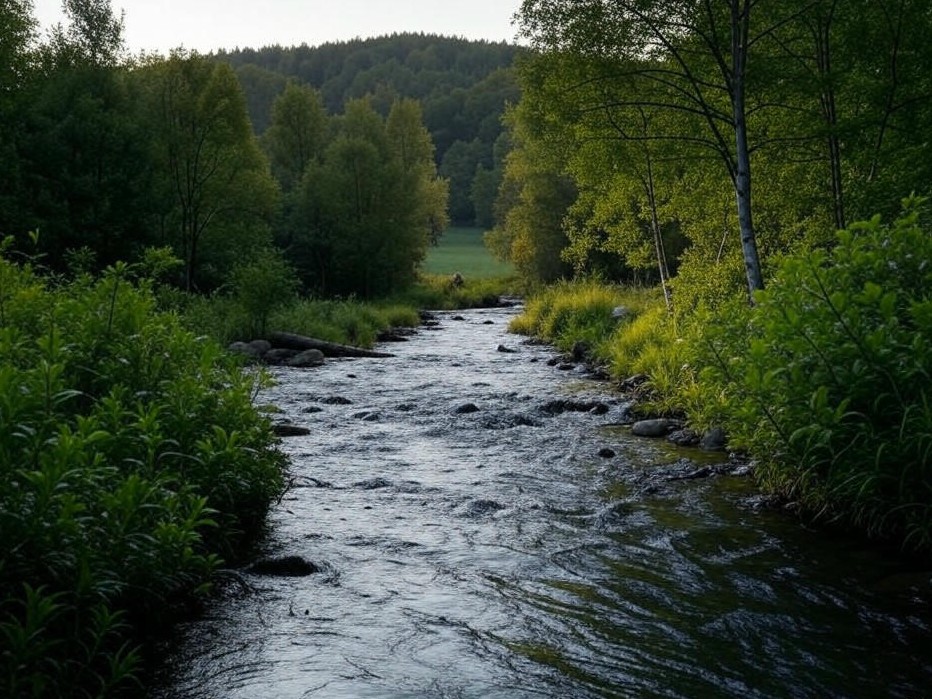
Imagine stepping into the crisp morning air, the scent of pine lingering as you tread softly through a forest trail. For outdoor enthusiasts, connecting with nature often means encountering wildlife—deer grazing in a meadow, birds trilling overhead, or even signs of a elusive predator. Yet, behind these magical moments lies a critical practice: wildlife management. This essential field ensures that our natural spaces remain balanced, supporting both the creatures that inhabit them and the adventurers who explore them. From monitoring species populations to enhancing habitats, wildlife management shapes the outdoor experiences we cherish. Whether you’re a hiker, hunter, or simply a nature lover, understanding these efforts can deepen your appreciation of the wild. Let’s dive into how wildlife management works, why it matters, and how you can play a role in sustaining these vibrant ecosystems.
- Wildlife management balances ecosystems for sustainable outdoor enjoyment.
- Habitat improvement boosts species diversity, enhancing nature encounters.
- Community involvement in conservation strengthens local outdoor spaces.
Overview of Wildlife Management
Wildlife management is the science and practice of maintaining healthy interactions between wildlife, their habitats, and human communities. It’s about ensuring species thrive while minimizing conflicts with people—think of it as nature’s balancing act. For outdoor enthusiasts, this means trails and parks remain rich with biodiversity, offering sightings of everything from majestic elk to tiny songbirds. According to wildlife experts, management includes strategies like population monitoring and habitat restoration, often led by state agencies or conservation groups. Its significance lies in preserving the natural world for future generations, ensuring that a camping trip in 20 years still offers the same awe-inspiring encounters. Without these efforts, overpopulation or habitat loss could disrupt the ecosystems we love to explore, making wildlife management a cornerstone of outdoor adventure.
Key Aspects of Modern Wildlife Management
Today’s wildlife management is a blend of tradition and innovation, adapting to new challenges. A major trend is the use of technology—think GPS tracking for monitoring animal movements or drones for habitat surveys. Another focus is habitat improvement, where controlled burns or reforestation projects create ideal conditions for species to flourish. Rewilding, the reintroduction of native species to restore natural processes, is also gaining traction. Additionally, there’s a shift toward ethical practices, like sustainable hunting regulations based on population data, ensuring species aren’t overexploited. For outdoor enthusiasts, these advancements mean healthier ecosystems to explore, with more opportunities to witness diverse wildlife. These strategies, often highlighted in conservation reports, show a commitment to balancing human enjoyment with nature’s needs, making every hike or camping trip a part of a larger preservation story.
Driving Factors Behind Wildlife Management
Several forces drive the need for robust wildlife management. Climate change is a big player, altering habitats and pushing species to adapt or relocate—think melting ice affecting polar bears or shifting migration patterns for birds. Human expansion, like urban sprawl, fragments natural areas, necessitating wildlife corridors to reconnect habitats. Additionally, invasive species, such as wild pigs causing an estimated $300 annual damage per individual in some regions, demand control measures. Public interest also fuels action; outdoor enthusiasts and hunters advocate for sustainable practices to maintain their playgrounds. Finally, legal frameworks, like updated conservation plans from agencies such as the California Department of Fish and Wildlife, set guidelines for protection. These factors remind us why management is crucial for keeping the wild spaces we love vibrant and accessible.
Community Impact of Wildlife Management
Wildlife management ripples through local communities, often in surprising ways. Economically, it supports outdoor tourism—think guided wildlife tours or hunting seasons that bring revenue to rural areas. Socially, it fosters a sense of stewardship; programs that involve locals in habitat restoration build pride in preserving nearby natural spaces. For instance, states like Connecticut, with over 135,000 acres of wildlife management areas, create havens for both animals and people, boosting community engagement through accessible trails. However, it can also spark debate, as hunting regulations or predator control sometimes clash with differing views on conservation. Overall, these efforts unite outdoor enthusiasts, landowners, and agencies in a shared goal: sustaining ecosystems. By participating, communities ensure their backyards remain wild, offering endless opportunities for adventure and connection with nature.
Practical Tips for Outdoor Enthusiasts
As an outdoor lover, you can support wildlife management with simple, impactful actions. First, practice ethical wildlife viewing—keep a safe distance (at least 100 yards for large animals like bears) and avoid feeding them, as it disrupts natural behaviors. Second, stick to designated trails to minimize habitat disturbance. Third, join local conservation groups or volunteer for habitat restoration projects like tree planting. Fourth, if you’re a hunter, follow regulations and report harvests to help track populations. Finally, use eco-friendly gear, such as biodegradable camping supplies, to reduce your footprint. Resources like the Wisconsin DNR emphasize keeping wildlife wild by not interfering with young animals. These small steps ensure the forests, mountains, and wetlands you explore stay healthy for both wildlife and future adventurers like yourself.
Future Outlook for Wildlife Management
Looking ahead, wildlife management faces both exciting opportunities and daunting challenges. Technology will likely play a bigger role—AI cameras and digital monitoring tools could revolutionize how we track species, though traditional methods remain effective, as noted in conservation discussions. Climate change will continue to test adaptability, requiring innovative habitat solutions like urban green spaces or expanded wildlife corridors. Community-driven models, blending local empowerment with modern tools, show promise for sustainable conservation. However, funding and policy support will be critical; without them, efforts could stall. For outdoor enthusiasts, this means future adventures might involve more active participation in conservation, from citizen science projects to advocacy. The goal remains clear: preserving the wild heart of nature so every hike or camping trip continues to inspire awe and wonder.
Frequently Asked Questions
What is wildlife management and why does it matter to outdoor enthusiasts? It’s the practice of balancing wildlife, habitats, and human needs, ensuring diverse, accessible natural spaces for hiking and exploration.
How can I help wildlife while enjoying the outdoors? Stick to trails, keep distances from animals, use eco-friendly gear, and volunteer with local conservation efforts.
Are there new trends in wildlife management to watch? Yes, technology like drones, rewilding projects, and community-driven conservation are shaping the future of wildlife protection.
As you lace up your boots for your next outdoor escape, remember that wildlife management is the silent guardian of the wild spaces you adore. It ensures the rustle of leaves hides a thriving ecosystem, ready for discovery. By understanding and supporting these efforts, you’re not just an explorer but a steward of nature. So, tread lightly, observe respectfully, and let every adventure fuel your commitment to preserving the untamed beauty of our world.